Category: Blog

Saving Money on Energy Bills: The Importance of Proper Insulation

In the idyllic coastal town of Hervey Bay, Queensland, where balmy days and temperate nights are the norm, it’s easy to take your home’s comfort for granted. However, there’s one aspect of home maintenance that is often overlooked but can make a substantial impact on your quality of life and finances: proper insulation.

In this article, we’ll explore why insulation is a vital component of any Hervey Bay home, how it works, and the numerous benefits it offers.

Understanding Insulation

Before delving into the significance of insulation, let’s start with the basics. What exactly is insulation? At its core, insulation is a material or combination of materials used to slow down the transfer of heat between two spaces. In the context of your home, it serves as a protective barrier, preventing the exchange of indoor and outdoor temperatures.

How Does Insulation Work?

Insulation works on a simple principle: it reduces heat flow. Heat naturally moves from warmer areas to cooler areas. During hot Hervey Bay summers, the heat outside seeks ways to infiltrate your pleasantly air-conditioned home. Conversely, in the cooler winter months, the warmth inside your home allows you to escape to the chillier outdoors.

Proper insulation serves as a thermal barrier, effectively slowing down this heat exchange. It acts as a shield, keeping the indoor environment cool in summer and warm in winter.

Common Types of Insulation Materials

Insulation materials come in various forms, each with its unique properties and applications. Some common types of insulation materials include:

1. Fibreglass: Made of tiny glass fibres, it’s one of the most widely used insulation materials.

2. Cellulose: Often made from recycled paper products, it’s eco-friendly and effective.

3. Foam Board: Offers excellent insulation and moisture resistance.

4. Spray Foam: Ideal for sealing gaps and cracks, providing an airtight barrier.

5. Reflective Foil: Used in radiant barrier systems to reflect heat away from living spaces.

Each of these materials has its advantages and is suitable for specific situations. The choice of insulation material depends on factors like your home’s construction, climate, and budget.

The Impact of Poor Insulation

Now that we have a grasp of how insulation works, let’s consider the consequences of inadequate or poor insulation in your Hervey Bay home.

Heat Loss and Gain

Without proper insulation, your home is susceptible to heat loss during the winter and heat gain during the summer. This means that when the temperature outside soars, your air conditioner works overtime to maintain a comfortable indoor environment. Conversely, in winter, your heater struggles to keep your home warm. This constant battle with the elements translates to higher energy bills.

Cold Drafts and Uneven Temperatures

Have you ever noticed certain areas of your home feeling colder than others? These cold spots are often a result of poor insulation. Cold drafts can make living spaces uncomfortable and force you to use additional heating, which, again, leads to increased energy consumption and costs.

Increased Energy Consumption and Bills

The most tangible impact of poor insulation is higher energy bills. Hervey Bay residents are no strangers to warm weather, and air conditioning is a must during the scorching summers. Inadequate insulation allows the cool air generated by your AC to escape, forcing your cooling system to work harder and longer to maintain the desired temperature. The result? Skyrocketing energy bills can put a dent in your budget.

Benefits of Proper Insulation

Now that we’ve explored the negative effects of inadequate insulation, let’s turn our attention to the many advantages of having proper insulation in your Hervey Bay home.

Energy Cost Savings

One of the most significant benefits of proper insulation is the potential for substantial energy cost savings. By preventing heat transfer, insulation helps maintain a consistent indoor temperature, reducing the need for continuous heating or cooling. As a result, your energy consumption decreases, and you’ll see a noticeable drop in your monthly utility bills.

Enhanced Comfort and Indoor Air Quality

Imagine a home where you can enjoy a consistently comfortable temperature throughout the year. Proper insulation provides precisely that. You’ll no longer have to endure chilly corners or sweltering rooms. Moreover, it contributes to better indoor air quality by sealing out dust, pollutants, and allergens.

Environmental Benefits

Energy efficiency isn’t just about saving money; it’s also about reducing your environmental footprint. When your home consumes less energy, it leads to decreased greenhouse gas emissions. By investing in proper insulation, you’re not only benefiting your wallet but also helping to protect Hervey Bay’s beautiful natural surroundings.

Signs That Your Home Needs Better Insulation

So, how can you tell if your Hervey Bay home requires insulation upgrades? Here are some telltale signs:

High Energy Bills

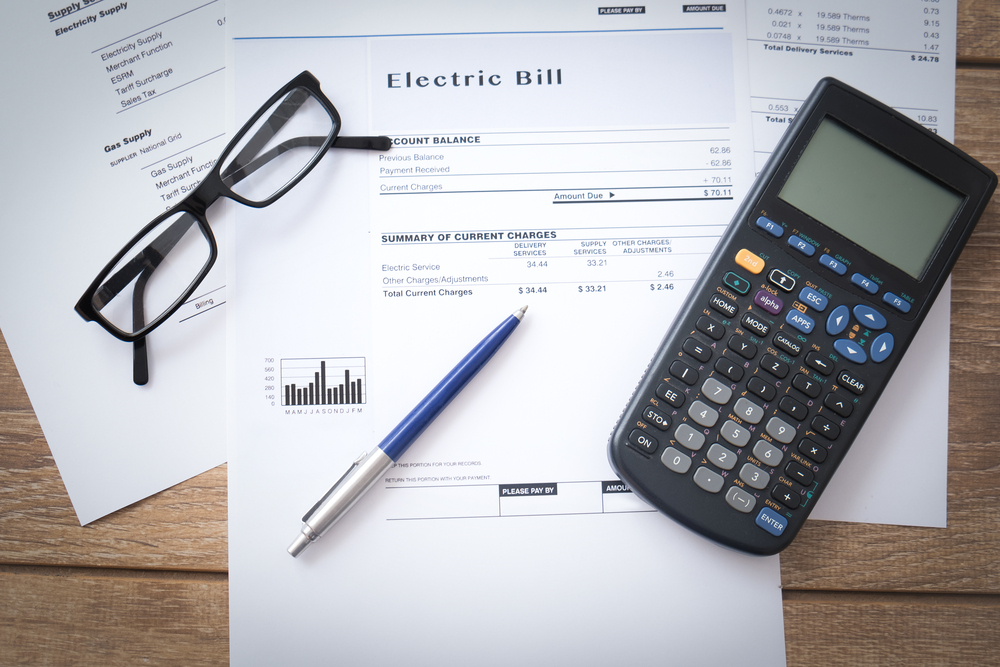
If your energy bills have been steadily climbing, despite your best efforts to conserve energy, it may be time to assess your insulation. Escaping conditioned air means your HVAC system has to work harder, and that extra effort shows up on your monthly statement.

Drafty Areas and Uneven Temperatures

Cold drafts or noticeable temperature differences from one room to another indicate insufficient insulation. Your home should feel consistently comfortable, and any deviations from this norm suggest insulation issues.

Woman Feeling Cold

Ice Dams and Moisture Issues

During winter, if you notice ice dams forming on your roof or moisture problems like condensation on windows and walls, these are red flags. They indicate that warm indoor air is escaping through the roof, causing ice dams, or condensing on cold surfaces due to poor insulation.

Assessing Your Current Insulation

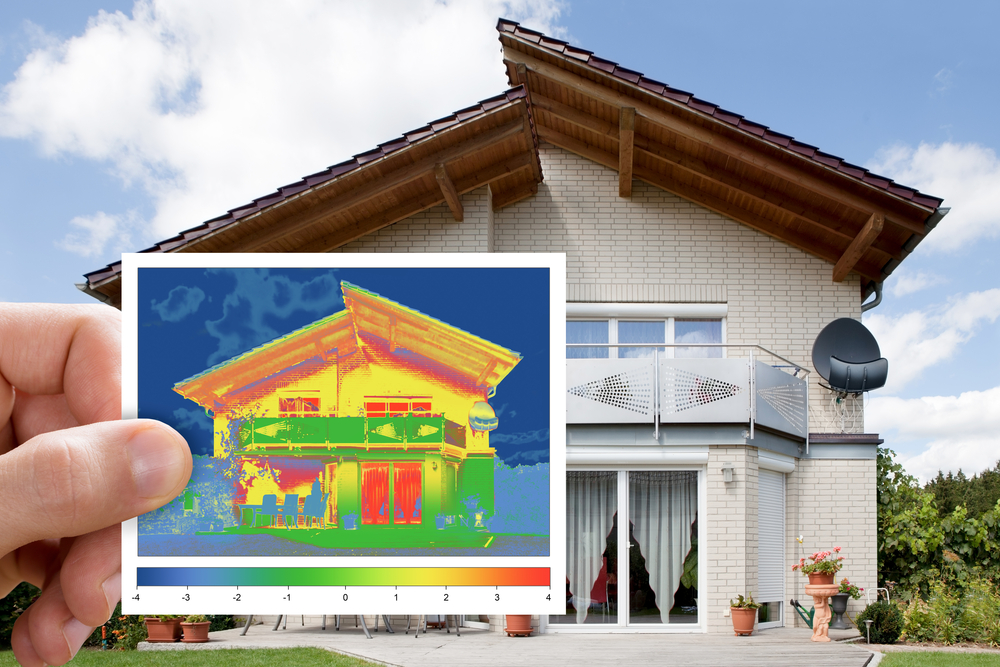
Before embarking on an insulation upgrade, it’s essential to assess your current insulation situation. A professional home energy audit can help identify areas where insulation is lacking or insufficient. They’ll use thermal imaging and other tools to pinpoint heat leaks and areas in need of improvement.

Choosing the Right Insulation Material

Selecting the appropriate insulation material is a crucial step in the upgrade process. Different materials have varying thermal resistance (R-values), which determine their effectiveness. In Hervey Bay’s climate, where hot summers and mild winters are the norm, you’ll want insulation materials with a balance of thermal resistance to suit both seasons.

Insulating Attics and Roofs

One of the most critical areas to insulate is your attic or roof space. In Hervey Bay, where temperatures can soar during summer, proper attic insulation is vital to prevent heat from penetrating your home. Common attic insulation materials include fibreglass batts, blown-in cellulose, or spray foam insulation. A well-insulated attic can significantly reduce your cooling costs.

Wall Insulation

Wall insulation is another key consideration. Insulating your walls helps maintain a consistent indoor temperature and minimises heat transfer. For existing homes, wall cavities can often be filled with insulation material, while new construction allows for various insulation options, including insulated concrete forms (ICFs) or rigid foam board insulation.

Floor Insulation

In Hervey Bay’s mild climate, floor insulation may not be as critical as roof and wall insulation. However, it can still contribute to energy efficiency and year-round comfort. Insulating under suspended timber floors or using insulated concrete slabs can help maintain a comfortable indoor temperature.

Sealing Gaps and Air Leaks

In addition to upgrading insulation, sealing gaps and air leaks is essential to ensure maximum energy efficiency. Common areas where air leaks occur include windows, doors, vents, and electrical outlets. Weatherstripping, caulking, and sealing gaps with expanding foam can help create an airtight barrier, preventing conditioned air from escaping and outdoor air from infiltrating your home.

DIY vs. Professional Insulation Services

While some homeowners may opt for DIY insulation projects, it’s often advisable to enlist the services of professional insulation experts. They have the knowledge, experience, and tools to assess your home’s unique needs accurately. Professional installers can ensure that insulation is correctly installed, maximising its effectiveness and longevity.

Government Rebates and Incentives

Before starting your insulation upgrade, check for any available government rebates or incentives. In Australia, various programs offer financial incentives to encourage energy-efficient home improvements. These incentives can help offset the initial cost of insulation upgrades, making them even more cost-effective.

Final Thoughts

In conclusion, we’ve explored the importance of proper insulation as a means to save money on energy bills and enhance the comfort of your Hervey Bay home. However, it’s essential to note that insulation is just one piece of the puzzle when it comes to energy efficiency.

Solar power is another powerful tool in your arsenal for reducing energy costs. By harnessing the abundant sunlight that Hervey Bay enjoys, you can generate clean and renewable energy to power your home. Solar panels, coupled with energy-efficient insulation, create a winning combination that can significantly reduce your dependence on traditional grid electricity.

Installing a solar power system not only helps you save money by generating your electricity but also offers the potential for feed-in tariffs, where excess energy can be fed back into the grid, earning you additional credits on your energy bills. Over time, solar power can provide substantial cost savings while reducing your carbon footprint.

So, whether you’re sealing air leaks, upgrading insulation, or considering solar power installation, each step you take toward energy efficiency brings you closer to a more sustainable and cost-effective future for your Hervey Bay home. It’s a win-win situation for your wallet and the environment.

If you’re looking to save money on your power bills using solar power, speak to us at GCR Electrical Systems. Our team of professionals can provide expert advice, installation services, and maintenance support to ensure you’re using your solar energy efficiently and safely so you can save more money on your power bills.

Please contact us today at (07) 4120 7004 or leave an enquiry.

The Advantages of Installing a Smart Thermostat in Your Home

Advantages of Installing a Smart Thermostat

In the picturesque town of Hervey Bay, where coastal charm meets modern living, the evolution of technology continues to shape our homes. Among the innovative gadgets that have made their way into our living spaces, solar panels and smart thermostats stand out as game-changers.

These intelligent devices are more than just temperature controllers; they’re efficient, convenient, and environmentally conscious solutions that cater to the demands of contemporary living. Join us as we explore the compelling advantages of installing solar panels and a smart thermostat in your Hervey Bay home, and discover how these simple additions can transform the way you experience comfort, energy efficiency, and sustainable living.

Energy Efficiency and Cost Savings

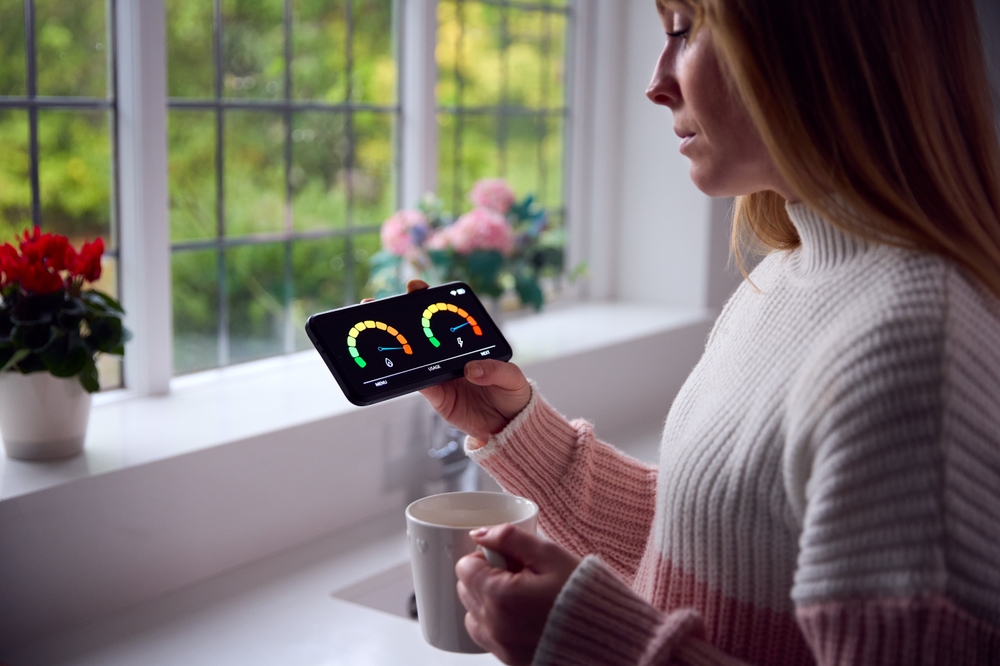
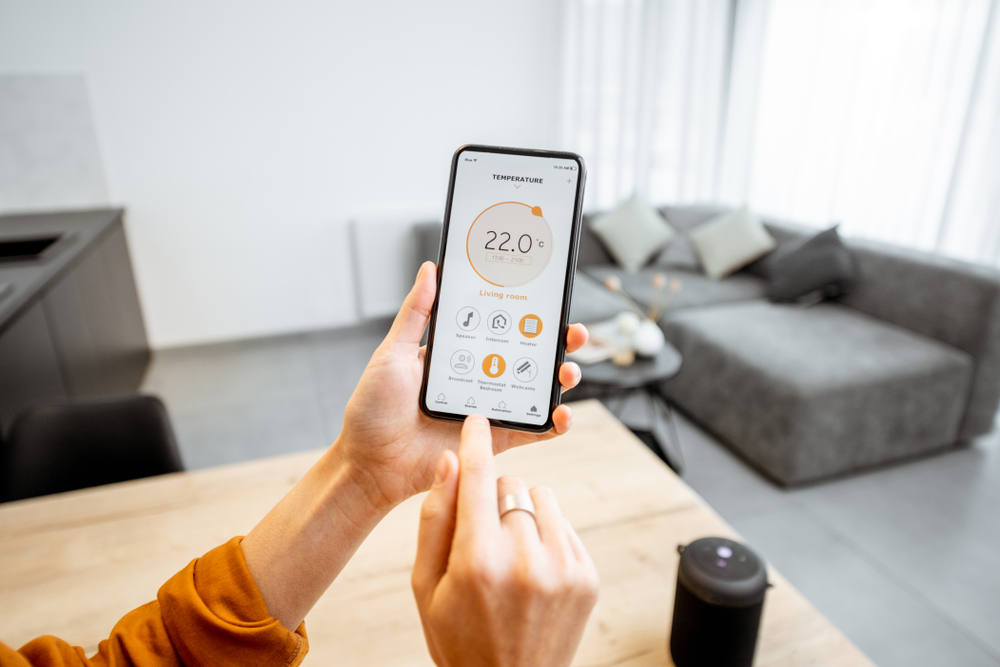
Imagine a thermostat that adapts to your schedule, making sure your home is at the perfect temperature when you need it, and conserving energy when you don’t. Smart thermostats offer just that.

Through customisable temperature schedules, they ensure that your home is optimally heated or cooled based on your preferences. These devices also possess learning capabilities, observing your routine and adjusting settings accordingly.

Whether you’re at home, work, or away, you can remotely control and monitor your thermostat, preventing unnecessary heating or cooling. The potential result? Noticeable reductions in your energy bills and a decreased impact on the environment.

Seamless Integration with Home Automation

The beauty of a smart thermostat lies in its ability to integrate seamlessly with other smart devices in your home. From lights to shades, a smart thermostat can collaborate with various elements to create an automated environment that suits your lifestyle.

Imagine waking up to a warm and well-lit space, all orchestrated by a single tap on your smartphone. This integration doesn’t just enhance convenience; it promotes a sense of cohesion and synchronicity within your living spaces.

User-Friendly Interface and Mobile Apps

Embracing smart technology doesn’t mean complicating your life. Smart thermostats are designed with intuitive interfaces that offer user-friendly displays. This ensures that whether you’re tech-savvy or new to smart devices, you can effortlessly navigate and control your thermostat settings.

What’s more, most smart thermostats come with dedicated mobile apps, granting you the power to adjust and monitor temperatures even when you’re on the go. Whether you’re coming home from a stroll along the Esplanade or a day at the Urangan Pier, you can ensure your home is at the perfect temperature upon your arrival.

Adaptive Learning and Self-Adjustment

Gone are the days of manual temperature adjustments. Smart thermostats are equipped with adaptive learning algorithms that grasp your preferences over time. These algorithms analyse your interactions with the thermostat and make predictive adjustments to maintain comfort without requiring constant manual input.

The result is a heating and cooling system that seems to anticipate your needs, offering a level of convenience that quickly becomes second nature.

Geofencing for Proximity-Based Control

Geofencing for Proximity-Based Control

Ever left the house only to realise you forgot to adjust the thermostat? Smart thermostats have a solution for that. Through geofencing technology, these devices can detect your proximity to your home. As you approach, your thermostat readies your home to your preferred temperature.

Similarly, as you venture out, it adjusts settings to conserve energy until your return. This not only enhances comfort but also minimises energy wastage.

Insights and Reports for Informed Decision-Making

What if your thermostat could offer insights into your energy consumption patterns? Smart thermostats do just that. By tracking and analysing data, they provide you with valuable insights, helping you understand how and when you consume energy.

These insights empower you to make informed decisions about your settings and habits, enabling you to create a more energy-efficient and cost-effective living environment.

Environmental Impact and Sustainability

As a resident of Hervey Bay, you’re undoubtedly attuned to the natural beauty that surrounds you. Installing a smart thermostat aligns with the town’s commitment to environmental consciousness. By reducing energy consumption, these devices help lower your carbon footprint and contribute to a greener future.

Whether it’s a leisurely stroll through the Botanic Gardens or a peaceful afternoon at the Gatakers Artspace, knowing you’re making a positive impact on the environment adds an extra layer of satisfaction to your daily life.

Final Thoughts

In the heart of Hervey Bay, where the allure of coastal living meets modern innovation, the advantages of a smart thermostat are undeniable. From energy efficiency and cost savings to seamless integration with home automation, these devices offer a plethora of benefits that elevate your living experience. With their user-friendly interfaces, adaptive learning capabilities, and proximity-based control, smart thermostats simplify comfort and energy management.

As you embrace these advancements, remember that your choice also contributes to a more sustainable future for Hervey Bay and the environment at large. It’s a step towards a brighter, more efficient, and eco-conscious way of living that aligns perfectly with the town’s values and aspirations.

Looking to save money on your power bills? Why not consider switching to solar power? If you’re looking for expert assistance in implementing solar power solutions, GCR Electrical Systems is here to help. Our team of professionals can provide expert advice, installation services, and maintenance support to ensure you’re using your solar energy efficiently and safely.

Please contact us today at (07) 4120 7004 or leave an enquiry.
Saving Money on Energy Bills by Sealing Your Home’s Air Leaks

Saving Money on Energy Bills
In the sun-soaked state of Queensland, keeping your home comfortable year-round often means relying on air conditioning. However, those cool gusts can escape through unnoticed openings, resulting in increased energy consumption and soaring energy bills. The solution? Sealing your home’s air leaks.

Not only does this practice contribute to energy efficiency, but it also reduces your carbon footprint and promotes sustainable living. Let’s delve into the world of sealing air leaks and discover how it can lead to substantial savings on your energy bills while positively impacting the environment.

Identifying Air Leaks

Before you embark on your journey to seal air leaks and consider installing solar panels, it’s essential to know where to look. Common culprits for energy inefficiency include gaps around windows, doors, electrical outlets, pipes, and even in your attic.

Drafts, unusually high energy bills, and inconsistent indoor temperatures are telltale signs of air leaks. To accurately locate these hidden culprits, consider conducting a comprehensive home energy audit, which can pinpoint the areas that need attention. Moreover, if you’re thinking about enhancing your home’s energy efficiency, incorporating solar panels into your plan can further reduce your environmental footprint and energy costs over the long term.

Materials and Tools for Sealing

Once you’ve identified the leaks, it’s time to arm yourself with the right materials and tools. For smaller gaps, caulks and sealants work wonders, creating airtight seals around windows and pipes. Weatherstripping comes into play for doors and windows, ensuring tight closures without compromising ease of use.

When tackling larger gaps or spaces like attics, insulation materials, such as foam or blown-in insulation, are excellent choices to create a barrier against air intrusion.

Sealing Techniques and Strategies

With your materials ready, it’s time to dive into sealing techniques. Caulking is an effective way to seal gaps around windows, doors, and pipes, preventing both air leaks and moisture intrusion.

Weatherstripping, in the form of adhesive strips or V-strips, can be applied to the edges of doors and windows to create airtight seals when closed. For larger gaps and cracks, expanding foam insulation works wonders, expanding to fill irregular shapes and providing comprehensive insulation.

Importance of Proper Ventilation

While sealing air leaks is crucial for energy efficiency, it’s equally important to strike a balance with proper ventilation. Airtight homes can trap indoor pollutants and affect indoor air quality.

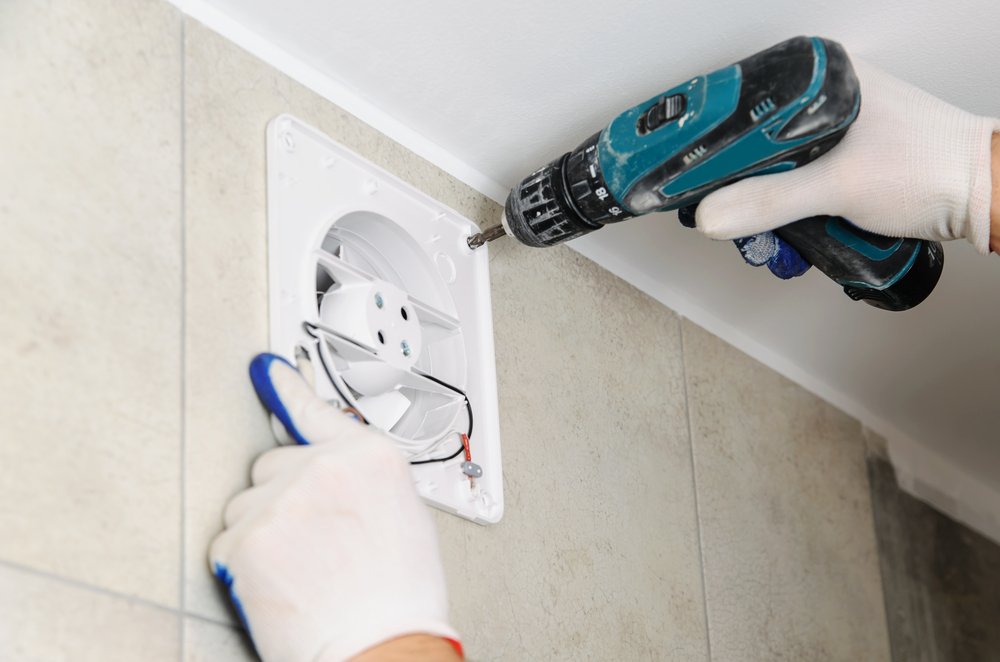
Installing ventilation systems, such as exhaust fans or whole-house ventilation units, helps ensure a continuous exchange of fresh air while maintaining energy efficiency. This ensures that your home remains not only energy-efficient but also a healthy living environment for you and your family.

Importance of Proper Ventilation

DIY vs. Professional Assistance

The decision to embark on a DIY air sealing project or seek professional assistance depends on the complexity of the leaks. Simple tasks like applying weatherstripping or caulking can be easily tackled by homeowners.

However, when dealing with intricate issues or extensive air leakage, consulting professionals ensure comprehensive solutions and optimal results. While DIY projects may save money upfront, investing in professional assistance can lead to more efficient and lasting air-sealing outcomes.

Impact on Energy Bills and Return on Investment

Sealing air leaks is more than just a home improvement project – it’s an investment in financial savings and energy efficiency. By creating a more airtight home, you can significantly reduce energy consumption and subsequently lower your energy bills.

While there may be initial costs associated with materials and professional assistance, the long-term return on investment becomes evident as your energy bills start to decrease substantially.

Sustainable Living and Environmental Impact

In the sunny state of Queensland, embracing energy-conscious habits is a step towards a greener and more sustainable future. Sealing air leaks not only saves you money but also significantly reduces your carbon footprint.

By curbing energy waste, you contribute to Queensland’s sustainability goals, promoting environmental stewardship and making a positive impact on the planet. It’s a small yet impactful step towards embracing a more sustainable way of living.

Final Thoughts

As the sun-drenched days continue in Queensland, the quest for energy efficiency becomes more critical than ever. Sealing your home’s air leaks emerges as a cost-effective solution that not only saves you money on energy bills but also aligns with sustainable living practices.

By identifying air leaks, using the right materials and techniques, and finding the right balance between airtightness and ventilation, you can create a home that is both comfortable and energy-efficient. By investing in air sealing, you’re not only saving money but also contributing to a brighter, greener future for Queensland and beyond.

Looking to save money on your power bills? Why not consider switching to solar power? If you’re looking for expert assistance in implementing solar power solutions, GCR Electrical Systems is here to help. Our team of professionals can provide expert advice, installation services, and maintenance support to ensure you’re using your solar energy efficiently and safely.

Please contact us today at (07) 4120 7004 or leave an enquiry.
Solar Power: The Future of Energy Generation in Australia

solar panel

In recent years, the urgency of transitioning to renewable energy sources has become increasingly apparent in Australia. As the demand for sustainable and clean energy rises, solar power stands out as a leading solution to power the nation’s future.

In today’s blog, we will explore the current state of solar power adoption in Australia, how solar power works, its numerous advantages, and the challenges it faces. We will delve into solar power applications for residential and commercial sectors, as well as the impact of large-scale solar farms on the national energy grid.

Additionally, we will discuss the latest innovations in solar technology and the promising future outlook for solar power in Australia.

Solar Power in Australia: A Snapshot

Currently, solar power is experiencing remarkable growth in Australia, driven by both consumer demand and government incentives. The country’s abundant sunlight makes it an ideal location for harnessing solar energy. According to the Clean Energy Council, more than 2.7 million Australian households have embraced solar power, making it the highest residential solar installation rate globally.

This trend is further supported by various government initiatives and feed-in tariffs that incentivise homeowners to invest in solar panels. The potential for solar power to revolutionise Australia’s energy landscape is evident, with solar energy predicted to play a significant role in achieving the nation’s renewable energy targets.

How Solar Power Works

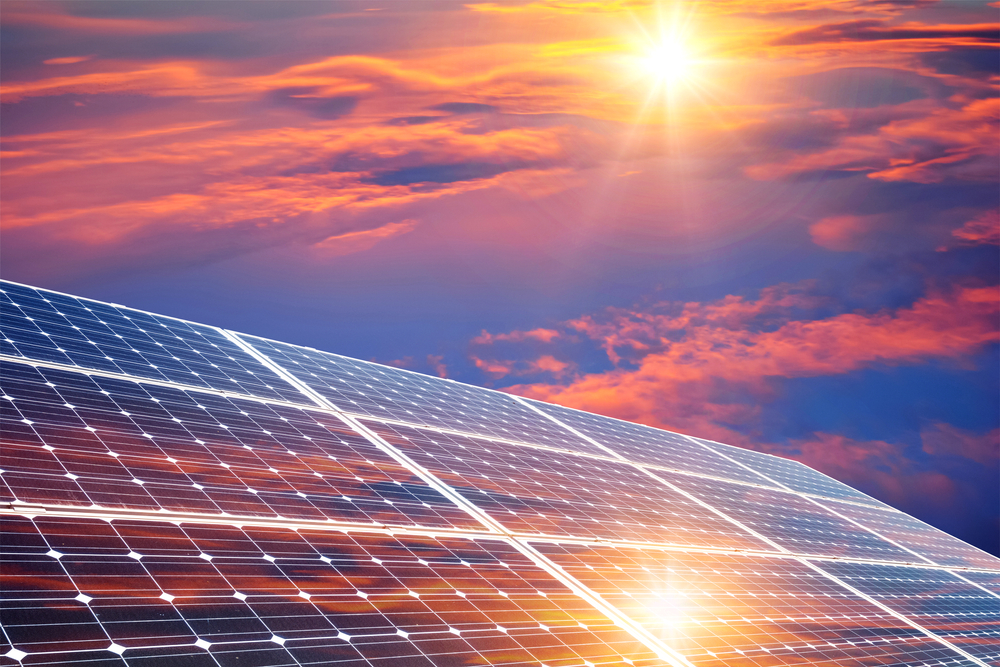
At the heart of solar power is photovoltaic (PV) technology, which converts sunlight into electricity. Solar panels, consisting of numerous solar cells, absorb sunlight and release electrons, generating a direct current (DC) of electricity.

This DC electricity is then converted into alternating current (AC) through inverters, making it usable for powering homes and businesses. Battery storage systems complement solar panels, storing excess energy generated during peak sunlight hours for use during low-light periods or at night.

Advantages of Solar Power

One of the most compelling reasons to embrace solar power is its positive impact on the environment. Solar energy is a clean and renewable resource, producing no harmful emissions of greenhouse gases. By transitioning to solar power, Australia can significantly reduce its carbon footprint and combat climate change.

Additionally, solar power offers long-term financial benefits to homeowners and businesses alike. By generating their electricity, consumers can potentially save on electricity bills and even sell surplus energy back to the grid through feed-in tariffs. Embracing solar power also reduces the nation’s dependence on finite fossil fuels and imported energy sources, enhancing energy security and independence.

Challenges and Solutions

Despite its many advantages, solar power faces certain challenges that need to be addressed for widespread adoption. One key challenge is the intermittent nature of solar energy, as it relies on sunlight availability. Advances in energy storage technologies, particularly battery storage systems, are addressing this issue by allowing excess energy to be stored and used during periods of low sunlight.

Furthermore, integrating solar power into the existing energy grid can be a complex task. However, with smart grid technologies and improved infrastructure, solar power can seamlessly contribute to the overall energy mix.

"an

Solar Power for Homes

For homeowners, solar power presents an opportunity to become more energy-efficient and environmentally conscious. Residential solar panel installations involve the placement of solar panels on rooftops, capturing sunlight to generate electricity.

Homeowners can take advantage of feed-in tariffs, where excess electricity is sold back to the grid, earning them credits on their electricity bills. By choosing the right solar power system based on their energy needs and budget, homeowners can experience significant cost savings and reduce their carbon footprint.

Solar Power for Businesses

Businesses in Australia are also recognising the potential benefits of solar power adoption. From reducing operational costs to enhancing sustainability credentials, solar power offers a compelling case for commercial applications.

Industries ranging from manufacturing to hospitality are embracing solar energy, not only as a means of reducing their environmental impact but also as a cost-effective energy solution. Numerous case studies of successful solar power integration in various industries highlight the positive impact of solar energy on both the bottom line and the planet.

Large-scale Solar Farms

On a grander scale, utility-scale solar farms are making significant contributions to Australia’s energy grid. These large-scale solar projects consist of vast arrays of solar panels, often located in remote areas with ample sunlight.

The energy generated by these solar farms is fed into the national grid, supplementing traditional energy sources. This expansion of large-scale solar farms is a testament to Australia’s commitment to renewable energy and its efforts to transition to a sustainable future.

Innovations and Future Outlook

The solar power industry is continuously evolving, with ongoing research and development leading to innovative technologies and solutions. Emerging technologies, such as advanced solar cells and perovskite-based solar panels, hold the potential to further improve solar energy efficiency and affordability.

Additionally, Australia’s commitment to renewable energy targets and government policies supporting solar power research and investment bodes well for the industry’s future. With continuous advancements and a nationwide push towards clean energy, solar power undoubtedly represents the future of energy generation in Australia.

Final Thoughts

Solar power has emerged as a frontrunner in Australia’s pursuit of a sustainable and environmentally friendly energy future. With its abundant sunlight and numerous benefits, solar energy presents an unparalleled opportunity to transition away from traditional fossil fuels.

As the nation continues to invest in solar technology, the future of energy generation in Australia looks bright. By harnessing the power of the sun, Australians can pave the way towards a cleaner, greener, and more resilient energy landscape for generations to come.

If you’re looking for expert assistance in implementing solar power solutions, GCR Electrical Systems is here to help. Our team of professionals can provide expert advice, installation services, and maintenance support to ensure you’re using your solar energy efficiently and safely.

Please contact us today at (07) 4120 7004 or leave an enquiry.
Harnessing Solar Power: Economic Benefits for Australian Households

Saving money with solar power

Solar power, derived from the heat and light of the sun, is becoming increasingly popular in Australia as households recognize the economic advantages it offers. This article explores the economic benefits of solar power for Australian households, including cost savings, government incentives, increased property value, job creation, environmental impact, energy security, community benefits, and future prospects.

Cost Savings

By harnessing solar energy, households can significantly reduce their electricity bills. Solar panels enable the generation of electricity, leading to lower reliance on the grid. Additionally, feed-in tariffs allow households to sell excess solar energy back to the grid, further offsetting costs. The return on investment for solar panel installations is favourable, with a relatively short payback period and long-term savings over the system’s lifespan.

Government Incentives and Subsidies

The Australian government provides various incentives and subsidies to support the adoption of solar power. The Small-scale Renewable Energy Scheme (SRES) offers financial incentives for residential solar installations, making solar power systems more affordable for households. Feed-in tariffs, implemented at the state level, provide additional income for households by rewarding them for surplus energy fed back into the grid.

Increased Property Value

Installing solar power systems can enhance the value of residential properties. Potential buyers are increasingly attracted to homes with solar panels, recognizing the long-term cost savings and environmental benefits they offer. Solar power installations can be seen as a smart investment, adding value to the property.

Job Creation and Economic Growth

The growing demand for solar power has led to the expansion of the solar industry, creating job opportunities in installation, maintenance, and related services. This industry growth also stimulates the local economy, supporting local installers and suppliers, and contributing to overall economic growth.

Environmental Impact

Solar power plays a crucial role in reducing greenhouse gas emissions and mitigating climate change. By generating clean energy, households with solar power systems contribute to Australia’s renewable energy targets, promoting sustainability and environmental stewardship.

Energy Security and Resilience

Solar power decreases households’ reliance on traditional energy sources, protecting them against rising electricity prices. By generating their own energy, households enhance their energy independence and resilience, particularly during power outages or disruptions in the grid.

Community Benefits and Social Equity

Solar power initiatives aim to provide access to clean energy for all, including low-income households. Community solar projects allow shared benefits, where multiple households can collectively invest in and benefit from solar power installations. These initiatives promote sustainable energy practices and social equity.

Technological Advancements and Future Outlook

Continued advancements in solar panel technology and declining costs make solar power increasingly accessible and cost-effective. Battery storage and energy management solutions further optimise solar power utilisation. Integration with smart grid technologies enhances efficiency and enables better control over energy consumption.

According to a study conducted in Australia, small-scale solar photovoltaic (PV) adoption is a cost-effective means of reducing greenhouse gas emissions related to household electricity use. The Australian market has seen a continuous decline in the installed costs of residential solar PV systems, making them more affordable and encouraging households to invest in rooftop solar PV. 

saving money with solar power

The falling prices of residential solar PV systems in Australia have made them some of the lowest-cost systems in the world, with costs around a quarter less than in Germany. The long-established suppliers, experienced installers, and consistent demand in the Australian market have contributed to the declining costs of solar PV systems.

The cost of residential rooftop PV electricity, known as the levelized cost of electricity (LCOE), has also declined steeply in Australia, reaching USD 0.069 per kilowatt-hour (kWh) in 2020 [3]. This represents a drop of 58% in the Australian residential LCOE.

Falling battery costs, along with the improved competitiveness of solar PV and high residential electricity prices, have led to increased use of solar PV systems with electricity storage in Australia. The price of residential lithium-ion battery systems has significantly decreased, making combined solar PV and battery storage systems more economically viable.

The economic benefits of falling prices for residential solar PV systems are not limited to Australia. A declining trend in installed costs has been observed in various markets since 2010, which has changed the competitiveness of rooftop solar PV in both residential and commercial sectors. 

The LCOE of residential PV systems in Australia, Germany, Italy, Japan, and the United States has significantly decreased, making solar power more affordable. This decline has primarily been driven by reductions in PV module prices, which have fallen by 93% on a wholesale basis since 2010, accompanied by improvements in module efficiency and scaled-up manufacturing.

The decreasing costs of solar PV systems and battery storage have improved the economics of residential systems that combine solar PV with electricity storage. Despite the upfront investment required for batteries, overall savings can be realised from the perspective of residential consumers after the payback period. The addition of battery storage allows for higher self-consumption rates, reducing the impact of increasing electricity prices.

Looking ahead, technological advancements in solar panel technology and declining costs will continue to make solar power more accessible and cost-effective. Battery storage and energy management solutions will further optimise the utilisation of solar power, allowing households to maximise their energy independence and savings. Integration with smart grid technologies will enhance energy efficiency and provide better control over energy consumption.

Final Thoughts

Solar power offers significant economic benefits for Australian households. Through cost savings, government incentives, increased property value, job creation, environmental impact, energy security, and community benefits, solar power is an attractive and viable option for homeowners in Australia. 

The continuous decline in the costs of solar PV systems, along with technological advancements and increasing demand, make solar power an increasingly affordable and sustainable choice for Australian households. By adopting solar power, homeowners can contribute to a greener future while enjoying the economic advantages it brings.

If you’re looking for expert assistance in implementing solar power solutions, GCR Electrical Systems is here to help. Our team of professionals can provide expert advice, installation services, and maintenance support to ensure you’re using your solar energy efficiently and safely.

Please contact us today at (07) 4120 7004 or leave an enquiry.
The Impact of Energy-Efficient Windows on Your Energy Bills

Energy Efficient Windows

Energy-efficient windows play a crucial role in reducing energy bills and improving the overall energy efficiency of buildings. Windows are not just aesthetic elements but also a significant contributor to heat loss and gain.

Understanding their impact and the benefits of energy-efficient windows is essential for homeowners and businesses seeking to lower their energy consumption and minimise their environmental footprint.

Understanding Energy Loss through Windows

Windows contribute to both heat loss and heat gain in buildings. Factors such as air leakage and inadequate insulation can further exacerbate energy loss. By understanding these mechanisms, homeowners can take steps to address energy inefficiencies and optimise their windows’ performance.

The Benefits of Energy-Efficient Windows

Energy-efficient windows offer numerous benefits beyond reducing energy consumption and lowering energy bills. They also improve indoor comfort by enhancing temperature regulation and minimising drafts. Additionally, energy-efficient windows contribute to environmental sustainability by reducing the carbon footprint of buildings.

Types of Energy-Efficient Windows

There are several types of energy-efficient windows available in the market. Double-glazed windows are a popular choice due to their energy-saving benefits. They consist of two glass panes separated by an insulating layer of air or gas.

Triple-glazed windows offer enhanced insulation by incorporating a third pane of glass. Low-emissivity (Low-E) coatings are applied to windows to reduce heat transfer while allowing natural light. Gas-filled windows utilise inert gases, such as argon or krypton, between the glass panes to improve thermal performance.

Factors to Consider When Choosing Energy-Efficient Windows

When selecting energy-efficient windows, it’s crucial to consider various factors. Energy Star ratings provide valuable information about the window’s energy performance. U-values measure the window’s insulation capabilities, with lower values indicating better insulation.

Solar heat gain coefficient (SHGC) measures the amount of solar heat transmitted through the window, affecting the overall energy efficiency. Additionally, different frame materials, such as uPVC and wood, offer varying energy-saving properties.

Energy Efficient Windows

Installation and Maintenance of Energy-Efficient Windows

Proper installation is essential for maximising the energy efficiency of windows. Hiring experienced and certified professionals ensures correct installation techniques and minimises the risk of air leakage. Regular maintenance, such as cleaning and inspecting for issues like air leakage and condensation, helps extend the lifespan and effectiveness of energy-efficient windows.

Financial Incentives and Savings with Energy-Efficient Windows

Installing energy-efficient windows can provide financial incentives and long-term savings. Government incentives and rebates are often available to encourage the adoption of energy-efficient technologies.

By reducing energy consumption, homeowners and businesses can also experience significant cost savings on their energy bills over time. Moreover, the long-term benefits of energy-efficient windows, such as increased property value and improved comfort, make them a wise investment.

Choosing a Reputable Window Installer

Working with experienced and certified window installers is crucial to ensure proper installation and optimal energy efficiency. Researching and selecting a reputable window installation company can help homeowners and businesses avoid potential issues and guarantee the quality of their windows. Understanding warranties and guarantees provided by the installer adds an extra layer of confidence and peace of mind.

Future Trends in Energy-Efficient Windows

Continual advancements in window technologies and materials are driving future trends in energy-efficient windows. Researchers and manufacturers are exploring innovative solutions to enhance energy savings and environmental sustainability. These advancements may include new glazing technologies, improved insulation materials, and smarter window systems that respond to changing environmental conditions.

Final Thoughts

Energy-efficient windows have a significant impact on reducing energy bills and improving the energy efficiency of buildings. By minimising energy loss and optimising temperature regulation, energy-efficient windows provide multiple benefits, including lower energy consumption, improved comfort, and reduced environmental impact.

It is crucial for homeowners and businesses to consider upgrading to energy-efficient windows to achieve long-term savings and contribute to a sustainable future.

If you’re looking for expert assistance in implementing energy-efficient solutions, GCR Electrical Systems is here to help. Our team of professionals can provide expert advice, installation services, and maintenance support to ensure you’re using your energy efficiently and safely.

Please contact us today at (07) 4120 7004 or leave an enquiry.
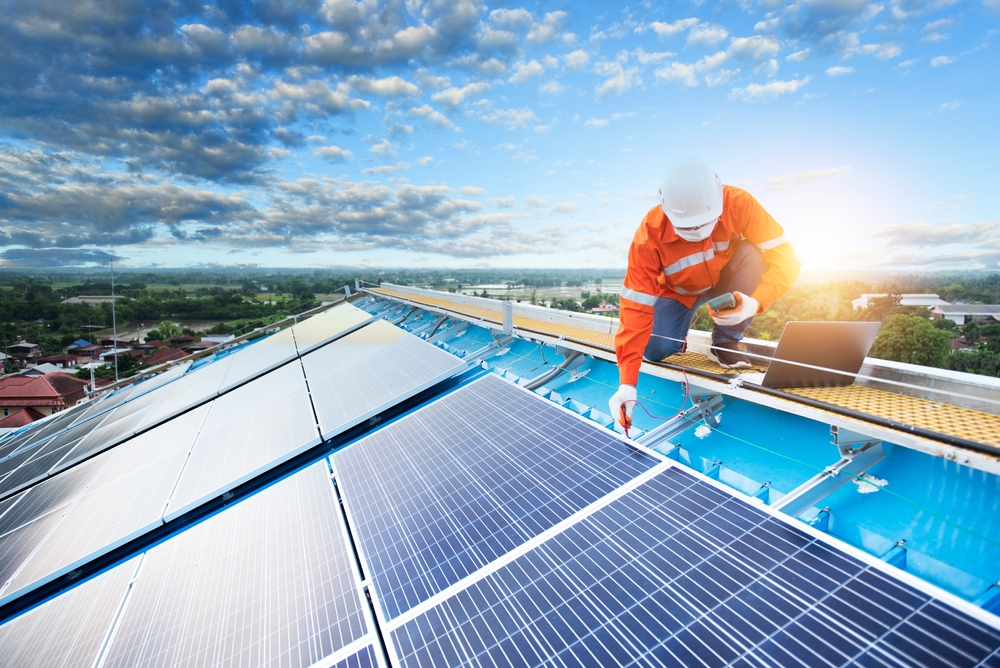
Maximising Energy Efficiency: The Importance of Regular Maintenance

Maximising Energy Efficiency: The Importance of Regular Maintenance

In today’s world, energy efficiency has become a crucial aspect of sustainable living and cost savings. One often overlooked but essential factor in achieving energy efficiency is regular maintenance. By prioritising maintenance practices, homeowners and businesses can optimise the performance of their systems and equipment, minimise energy waste, and reduce their environmental impact.

In today’s article, we will explore the significance of regular maintenance in maximising energy efficiency and outline best practices for achieving optimal results.

The Impact of Poor Maintenance on Energy Efficiency

Effective maintenance is critical in ensuring the energy efficiency of systems and equipment. Poor installation, lack of maintenance, and inconsistent repair efforts can lead to significant energy penalties. Studies have shown that a considerable percentage of installed equipment runs poorly, resulting in reduced energy efficiency and increased energy consumption.

For example, faulty HVAC systems can consume more energy than necessary due to issues like dirty filters, clogged ducts, or improper calibration. These problems not only waste energy but also contribute to higher energy bills and increased carbon emissions. Addressing maintenance issues is essential to maximise energy efficiency and achieve long-term energy savings.

Benefits of Regular Maintenance for Energy Efficiency

Regular maintenance offers numerous benefits that positively impact energy efficiency. By conducting routine inspections, cleaning, and tuning, equipment performance can be optimised, resulting in significant energy savings. Well-maintained systems operate more efficiently, requiring less energy to perform their intended functions. This leads to reduced energy waste, lower utility bills, and a smaller carbon footprint.

Additionally, regular maintenance helps extend the lifespan of equipment, minimising the need for premature replacements. This not only saves money but also reduces the environmental impact associated with manufacturing new equipment.

Best Practices for Maintaining HVAC Systems for Energy Efficiency

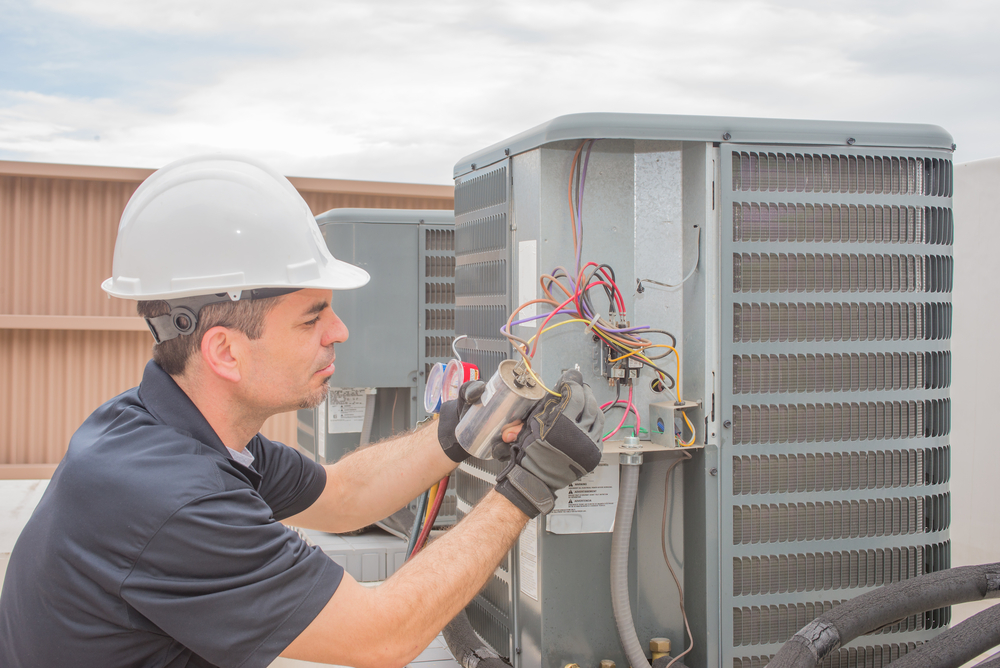
Heating, ventilation, and air conditioning (HVAC) systems are significant contributors to energy consumption in homes and buildings. Therefore, adopting best practices for maintaining HVAC systems is crucial in maximising energy efficiency.

The “Guide to best practice maintenance and operation of HVAC systems for energy efficiency” provides valuable insights and recommendations for achieving optimal results. Some key practices include:

1. Regular inspections: Conduct periodic inspections to identify any issues or signs of wear and tear. Addressing problems early can prevent further damage and ensure efficient operation.

2. Filter replacements: Clean or replace filters regularly to maintain proper airflow and prevent strain on the system. Clogged filters can reduce energy efficiency and hinder overall performance.

3. Duct cleaning: Periodically clean air ducts to remove dust, debris, and contaminants that can obstruct airflow and decrease system efficiency.

4. Calibration of controls: Ensure that thermostats and other controls are calibrated correctly to optimise energy usage and maintain comfortable indoor temperatures.

By following these best practices, homeowners and businesses can ensure that their HVAC systems operate efficiently, resulting in significant energy savings and improved comfort levels.

Maximising Energy Efficiency: The Importance of Regular Maintenance

Conducting Energy Efficiency Assessments for Businesses

Businesses can benefit from conducting energy efficiency assessments to identify areas for improvement and optimise energy usage. These assessments provide valuable insights into an organisation’s energy consumption patterns, energy efficiency potential, and cost-saving opportunities.

When planning an energy efficiency assessment, it is essential to consider factors such as the size of the organisation, energy expenditure, and available resources. Conducting a preliminary scoping assessment can help identify potential energy savings and secure resources for a more detailed assessment.

Best practice energy efficiency assessments typically involve developing a strong project plan, engaging the right stakeholders, and considering post-assessment actions, such as reporting and tracking.

The Role of Regular Maintenance in Energy Efficiency Assessments

Regular maintenance plays a crucial role in energy efficiency assessments. By incorporating maintenance activities into the assessment process, organisations can evaluate the effectiveness of their existing maintenance practices and identify areas for improvement.

Assessments can help identify maintenance gaps, assess the condition of equipment, and determine the impact of maintenance on energy efficiency. Including maintenance as a key component ensures that the assessment captures the full picture of energy performance and potential savings. It also provides an opportunity to develop maintenance strategies that align with energy efficiency goals.

Strategies for Maximising Energy Efficiency through Regular Maintenance

To maximise energy efficiency through regular maintenance, it is essential to implement effective strategies. Here are some key strategies to consider:

1. Developing a maintenance schedule and plan: Establish a regular maintenance schedule to ensure that all necessary tasks are performed at the appropriate intervals. A comprehensive maintenance plan should outline specific activities, responsibilities, and timelines.

2. Engaging the right stakeholders: Involve facility managers, maintenance personnel, and other relevant stakeholders in the maintenance process. Effective communication and collaboration among team members are crucial for successful maintenance management.

3. Utilising external resources when necessary: In some cases, it may be beneficial to seek external resources, such as specialised maintenance contractors, to supplement in-house capabilities. External expertise can provide valuable insights and help ensure that maintenance efforts are carried out effectively.

By implementing these strategies, organisations can enhance their regular maintenance practices, improve energy efficiency, and achieve long-term cost savings.

Final Thoughts

Regular maintenance is a key factor in maximising energy efficiency. By addressing maintenance issues and adopting best practices, homeowners and businesses can optimise the performance of their systems and equipment, reduce energy waste, and lower their environmental impact.

Conducting energy efficiency assessments and incorporating maintenance into the assessment process further enhance energy efficiency efforts. By recognising the importance of regular maintenance, individuals and organisations can contribute to a sustainable future while enjoying the benefits of reduced energy consumption and cost savings.

If you’re looking for expert assistance in implementing energy-efficient solutions, GCR Electrical Systems is here to help. Our team of professionals can provide expert advice, installation services, and maintenance support to ensure you’re using your energy efficiently and safely.

Please contact us today at (07) 4120 7004 or leave an enquiry.
Maximising Energy Efficiency In The Bathroom

Maximising Energy Efficiency In Bathroom.

One of the rooms in the house that is used the most and where energy consumption can be quite high is the bathroom. We can make a variety of small changes to save energy and lessen our impact on the environment, from solar power to heating to water usage. 

In this blog post, we’ll look at some useful advice and clever ideas that can maximise your bathroom’s energy efficiency and lower your utility costs while helping the environment. 

Lighting That Saves Energy

For your bathroom to be as energy-efficient as possible, lighting is essential. You can reduce your electricity use and energy bills by selecting energy-efficient lighting options, including solar-powered lighting. Listed below are some suggestions for energy-efficient bathroom lighting:

  • Use LED or CFL Bulbs: Light-emitting diode (LED) or compact fluorescent lamp (CFL) bulbs should be used instead of conventional incandescent ones because they are more energy-efficient. These light bulbs are more durable and use significantly less energy. Consider using LED or CFL bulbs powered by solar energy for even greater sustainability.
  • Install Motion Sensor Lights: Put motion sensor lights in your bathroom. When someone enters the space, these lights turn on automatically, and when there isn’t any movement, they turn off. By doing away with manual light-on/light-off switches, energy is saved. Look for motion sensor lights that can be powered by solar energy for an eco-friendly solution.
  • Make the Most of Natural Light: Keep windows clear and cover them with light-filtering window coverings to maximise natural light. This way, you can rely less on artificial lighting during the daytime to illuminate your bathroom. Consider installing solar-powered skylights or sun tunnels to bring in more natural light while keeping energy consumption to a minimum.

Water-Saving Fixtures

Water conservation is equally important when it comes to maximising energy efficiency in your bathroom. By installing water-saving fixtures, you can reduce water consumption, conserve resources, and lower your water bills. Here are some water-saving fixtures to consider:

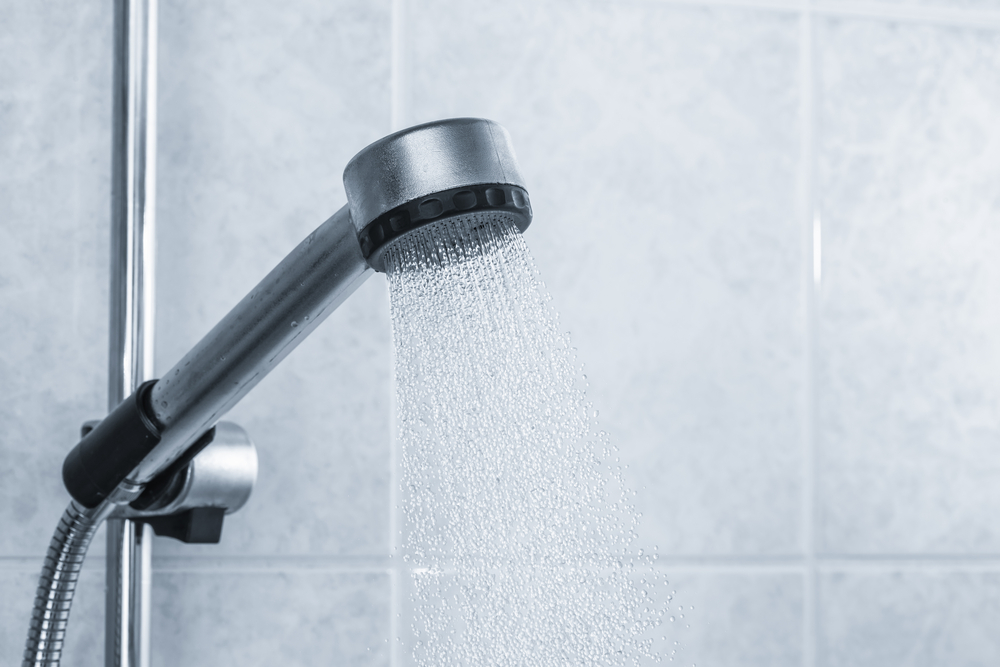
  • Low-Flow Showerheads: Replace your existing showerhead with a low-flow showerhead. These fixtures restrict water flow without compromising the showering experience. They can significantly reduce water usage without sacrificing water pressure.
  • Faucet Aerators: Install faucet aerators on bathroom taps. These devices mix air with water, creating a steady stream while using less water. Faucet aerators are easy to install and can help reduce water wastage.
  • Dual-Flush Toilets: Upgrade to a dual-flush toilet that provides two flushing options: one for liquid waste and another for solid waste. This allows you to use less water for flushing when appropriate, resulting in water savings.

Heating And Ventilation

Proper heating and ventilation are essential for maintaining a comfortable and energy-efficient bathroom environment. Here are some tips to improve the heating and ventilation in your bathroom:

  • Install an Energy-Efficient Heater: Consider installing an energy-efficient heater specifically designed for bathroom use. These heaters are designed to provide quick warmth while consuming less energy. Look for models with programmable timers or thermostats to further optimise energy usage.
  • Use Bathroom Exhaust Fans: Install an exhaust fan in your bathroom to remove excess moisture, odours, and pollutants. Choose an energy-efficient fan with a low wattage motor and automatic shut-off features. Running the exhaust fan during and after showers can help prevent the growth of mould and mildew.
  • Seal Air Leaks: Check for any air leaks around windows, doors, and ventilation ducts in your bathroom. Seal these leaks with weatherstripping or caulking to prevent drafts and heat loss. Proper insulation and sealing will help maintain a comfortable temperature in your bathroom and reduce energy waste.

Energy-Efficient Appliances

Using energy-efficient appliances in your bathroom can significantly contribute to energy savings. Here are some energy-efficient appliances to consider:

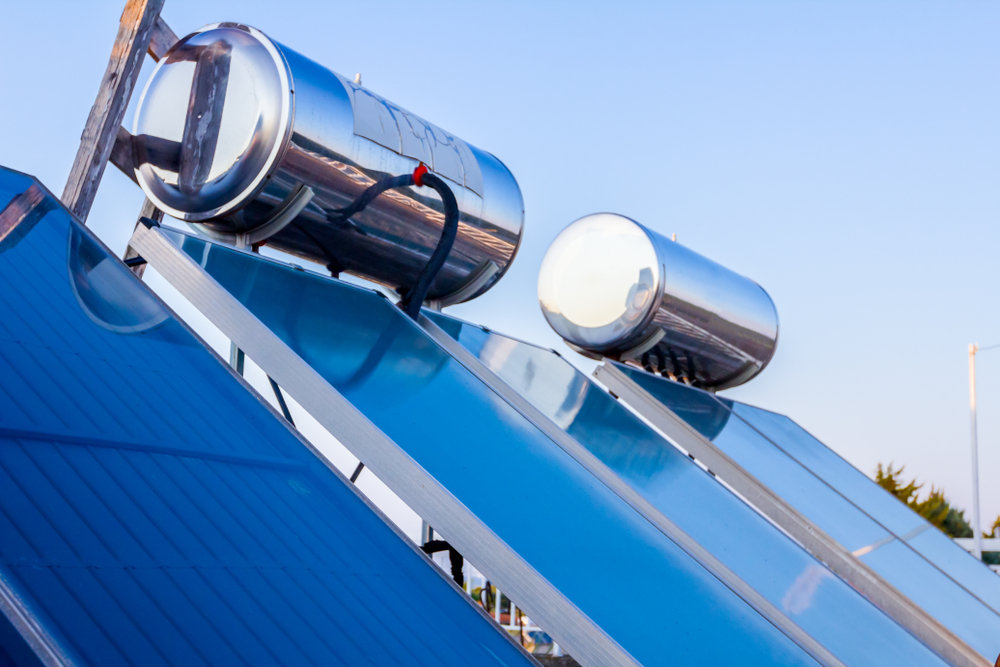
  • Energy-Efficient Water Heaters: Upgrade to an energy-efficient water heater such as solar powered system, or a tankless or heat pump water heater. These models are designed to heat water more efficiently, reducing energy consumption and saving you money on your utility bills.
  • Efficient Bathroom Fans: If your bathroom requires a fan for ventilation, opt for an energy-efficient model. Look for fans with the ENERGY STAR label, as they are designed to operate using less energy without compromising on performance.
  • Smart Bathroom Devices: Consider integrating smart devices into your bathroom, such as smart thermostats and occupancy sensors. These devices can help optimise energy usage by automatically adjusting settings based on occupancy and preferences.

Maximising Energy Efficiency In Bathroom.

Sustainable Materials And Design

When it comes to maximising energy efficiency in your bathroom, considering sustainable materials and design choices can make a difference. Here are some tips to incorporate sustainable elements into your bathroom:

  • Choose Water-Efficient Fixtures: Opt for water-efficient fixtures like low-flow toilets, faucets, and showerheads. These fixtures are designed to reduce water consumption without compromising performance, helping you conserve water and lower your utility bills.
  • Select Sustainable Flooring and Tiles: Look for flooring and tiles made from sustainable materials such as bamboo, cork, or recycled materials. These options are not only eco-friendly but also durable and aesthetically pleasing.
  • Use Natural and Recycled Materials: Consider using natural and recycled materials for bathroom surfaces and accessories. For example, opt for countertops made from recycled glass or reclaimed wood. Incorporating natural elements like stone or wood can enhance the overall aesthetics while reducing the environmental impact.

Maintenance And Habits

In addition to making sustainable design choices, adopting energy-efficient habits and regular maintenance practices can further maximise energy efficiency in your bathroom. Here are some recommendations:

  • Regularly Check for Leaks: Check your bathroom fixtures and pipes for any leaks or drips regularly. Even minor leaks can waste significant amounts of water and increase your utility bills. Repairing leaks promptly will help conserve water and reduce energy usage for water heating.
  • Practice Water-Saving Habits: Develop water-saving habits such as turning off the tap while brushing your teeth, taking shorter showers, and only running the dishwasher or washing machine with full loads. These simple actions can make a substantial difference in conserving water and reducing energy consumption.
  • Proper Ventilation Maintenance: Clean and maintain your bathroom exhaust fan regularly to ensure its optimal performance. Remove any dust or debris that may obstruct airflow. A well-maintained fan will help prevent moisture buildup, reduce the risk of mould growth, and maintain good air quality in your bathroom.

Final Thoughts

Maximising energy efficiency in your bathroom is not only beneficial for the environment but also for your wallet. By implementing energy-saving practices and making conscious choices in lighting, water usage, heating, ventilation, materials, and maintenance, you can significantly reduce your energy consumption and make a positive impact.

If you’re looking for expert assistance in implementing energy-efficient solutions or upgrading your bathroom’s electrical systems, GCR Electrical Systems is here to help. Our team of professionals can provide expert advice, installation services, and maintenance support to ensure your bathroom operates efficiently and safely.

Please contact us today at (07) 4120 7004 or leave an enquiry.
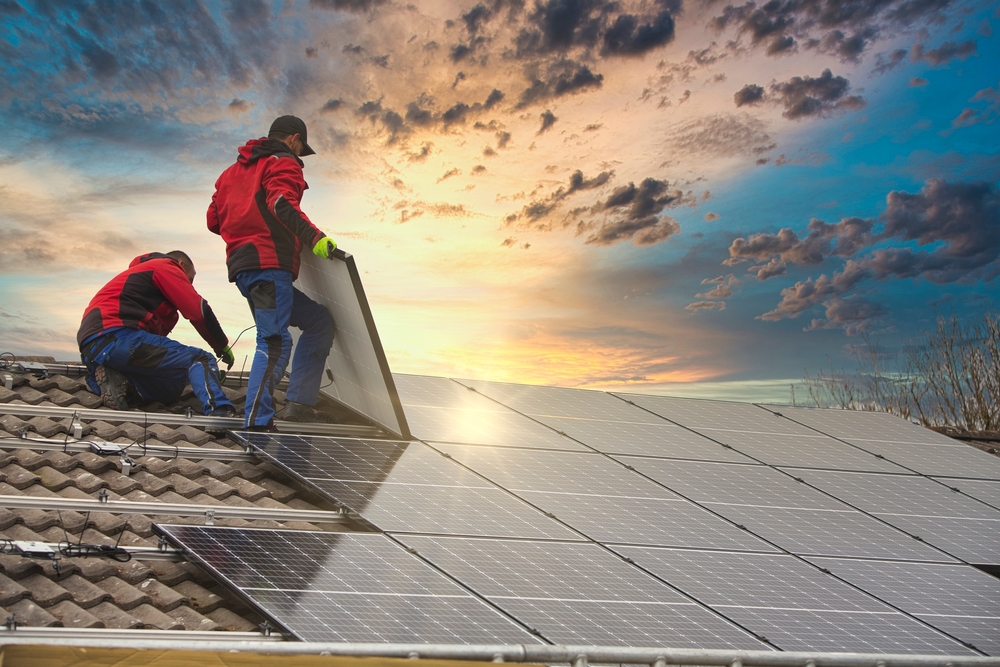
5 Easy Ways To Save Energy And Money In Your Kitchen

Save Energy Money In Kitchen

With appliances running continuously and lights left on for extended periods of time, the kitchen is frequently one of the most energy-intensive rooms in the house. However, you can significantly cut your energy usage and lower your bills with a few easy changes. 

In this blog, we’ll go over five simple ways to cut costs and conserve energy in your kitchen without sacrificing usability or convenience. We’ll show you how to upgrade to energy-efficient appliances and incorporate small changes such as solar power into your daily routine to make your kitchen more effective and environmentally friendly.

1). Upgrade To Energy-Efficient Appliances

Making the switch to energy-efficient appliances in your kitchen is a smart investment that can lead to significant energy savings and lower energy bills. Here are some reasons why upgrading to energy-efficient appliances, including solar-powered options, is beneficial:

  • Reduced Energy Consumption: Energy-efficient appliances are designed to use less energy while delivering the same performance. They incorporate advanced technologies and features that minimise energy waste, resulting in lower energy consumption and cost savings over time. Consider choosing appliances that are powered by solar energy to further reduce your carbon footprint and reliance on traditional electricity sources.
  • Financial Savings: Energy-efficient appliances may have a higher upfront cost compared to conventional models, but they offer long-term financial benefits. By using less energy, you can enjoy substantial savings on your monthly energy bills, helping you recoup the initial investment and continue saving money over the lifespan of the appliances. Solar-powered appliances can provide additional savings by harnessing free and renewable energy from the sun.
  • Environmental Impact: Energy-efficient appliances have a smaller carbon footprint compared to older, inefficient models. Choosing energy-efficient appliances, particularly those powered by solar energy, is a responsible choice that aligns with your commitment to environmental sustainability. Harnessing the power of the sun can reduce your reliance on fossil fuels and make a positive impact on the environment.

2). Optimise Refrigerator Usage

Your refrigerator is one of the most energy-intensive appliances in your kitchen. Optimising its usage can lead to significant energy savings. Here are some tips to help you make the most of your refrigerator while conserving energy:

  • Temperature Settings: Set your refrigerator’s temperature to the recommended level, typically between 3 to 5 degrees Celsius. Avoid excessively cold settings as they waste energy without providing any additional benefits. Similarly, ensure the freezer compartment is set at around -18 degrees Celsius.
  • Organising and Decluttering: Keep your refrigerator organised to improve airflow and cooling efficiency. Arrange items in a way that allows proper circulation of cold air. Regularly clean out expired or unnecessary items to avoid overcrowding and make it easier for the refrigerator to maintain a consistent temperature.
  • Sealing and Maintenance: Check the door gaskets for any signs of wear or damage. Replace faulty gaskets to ensure a tight seal, preventing cold air from escaping. Additionally, clean the condenser coils at the back or underneath the refrigerator regularly to improve heat dissipation and optimise cooling efficiency.

3). Efficient Cooking Techniques

Adopting efficient cooking techniques can help you save energy and reduce your carbon footprint in the kitchen. Here are some tips to make your cooking more energy-efficient:

  • Match Cookware to Burner Size: Use appropriately sized cookware that matches the size of the burner. Small pots on large burners waste energy as heat escapes around the sides. Conversely, large pots on small burners take longer to heat up, wasting energy as well. Matching the sizes ensures efficient heat transfer and reduces energy consumption.
  • Lid Utilisation: Covering pots and pans with lids while cooking helps retain heat and speeds up the cooking process. By trapping the heat inside, you can reduce cooking time and save energy. This simple practice also prevents moisture loss, preserving the natural flavours and nutrients in your food.
  • Preheating Awareness: Preheating is necessary for certain recipes, but many dishes don’t require it. Skip preheating whenever possible to save energy. Modern ovens often reach the desired temperature quickly, so preheating is often unnecessary and can be avoided.

Save Energy Money In Kitchen

4). Smart Lighting Solutions

Implementing smart lighting solutions can significantly reduce energy usage and create a more sustainable kitchen environment. Here’s how you can make your kitchen lighting more energy-efficient:

  • LED Lighting: Replace traditional incandescent or halogen bulbs with energy-efficient LED bulbs. LEDs consume less energy, last longer, and provide excellent illumination. They are available in various shapes and sizes, making it easy to find LED bulbs that fit your existing fixtures.
  • Motion Sensors and Timers: Install motion sensors or timers in areas where lighting is frequently left on unintentionally. These smart devices automatically turn off the lights when no movement is detected or after a set period, helping to prevent unnecessary energy waste.
  • Task Lighting: Use task lighting strategically to illuminate specific work areas in the kitchen, such as the countertop or stove. By focusing light where it’s needed, you can reduce the overall lighting intensity and energy consumption.

5). Conserving Water

Conserving water in the kitchen is essential for both the environment and your water bills. Here are some water-saving tips to incorporate into your daily kitchen routine:

  • Fix Leaks: Regularly check for and fix any leaks in faucets, pipes, or dishwasher connections. A dripping faucet or hidden leak can waste a significant amount of water over time.
  • Efficient Dishwashing: When hand washing dishes, fill one sink with soapy water for washing and the other with clean water for rinsing. Avoid letting the water run continuously while scrubbing dishes. If using a dishwasher, make sure it’s fully loaded before running a cycle to maximise water and energy efficiency.
  • Use Efficient Appliances: Invest in water-efficient appliances such as dishwashers and faucets with low-flow features. These appliances are designed to reduce water consumption without compromising performance.

Final Thoughts

Implementing these five easy ways to save energy and money in your kitchen can have a significant impact on both your household expenses and the environment. Upgrading to energy-efficient appliances, optimising refrigerator usage, adopting efficient cooking techniques, implementing smart lighting solutions, and conserving water are all practical steps you can take to create a more sustainable kitchen.

If you need assistance with any electrical upgrades or installations to support your energy-saving efforts, don’t hesitate to contact GCR Electrical Systems. Our team of experienced professionals is ready to help you make your kitchen and home more energy-efficient. Together, we can make a difference in conserving energy and preserving our planet.

Please contact us today at (07) 4120 7004 or leave an enquiry.

The Benefits Of Switching To Energy-Efficient Light Bulbs

Energy-Efficient Light Bulbs

Lighting plays a crucial role in everyday routines. Traditional lighting methods, however, can result in high energy bills and environmental damage. Changing to energy-efficient bulbs that are powered through sources such as solar power is a simple and practical approach to lessen one’s impact on the environment and one’s utility bills. In this piece, we’ll go over the ways in which using energy-efficient light bulbs can improve both your quality of life and the state of the planet.

Understanding Energy-Efficient Light Bulbs

While lighting is crucial to our everyday lives, it may also have a major impact on reducing our energy bills. Better lighting with less energy use is possible thanks to energy-efficient light bulbs. Light-emitting diode (LED) bulbs, compact fluorescent lamps (CFLs), and halogen incandescent bulbs are just a few of the varieties available. If you are looking for the best light bulb for your home, it is important to know the distinctions between them. 

Common Misconceptions About Energy-Efficient Light Bulbs

People may be hesitant to switch to energy-efficient bulbs due to many myths floating around about them. Many people wrongly believe that energy-efficient light bulbs are out of their price range. These bulbs may be more expensive up front, but they will save you money in the long term due to their lower energy use and longer lifespan.

There’s also the false belief that CFLs and LEDs can’t produce as much light as their incandescent counterparts. That said, it’s not always the case. LEDs and CFLs are only two examples of energy-efficient light bulbs that may match the brightness of incandescent bulbs while consuming a fraction of the power.

Finally, some people think that energy-efficient bulbs don’t look as nice as regular bulbs, but that is not the case either. You may now buy energy-efficient light bulbs in a wide variety of shapes, sizes, colours, and other customisation options.

Energy-Efficient Light Bulbs

Benefits Of Energy-Efficient Light Bulbs

Energy-efficient light bulbs are a popular choice for those who want to save money on their energy bills and reduce their carbon footprint. Here are some of the benefits of switching to energy-efficient light bulbs:

  • Lower energy bills: Energy-efficient light bulbs use up to 80% less energy than traditional incandescent bulbs, which means you can save a significant amount of money on your energy bills.
  • Longer lifespan: Energy-efficient bulbs can last up to 25 times longer than traditional bulbs, meaning you won’t need to replace them as often, saving you money and reducing waste.
  • Environmentally friendly: Energy-efficient bulbs produce less greenhouse gas emissions than traditional bulbs, making them an environmentally friendly choice.
  • Better quality light: Energy-efficient bulbs produce a more natural and brighter light, making them ideal for use in reading lamps, task lighting, and other areas where bright light is needed.
  • Variety of options: Energy-efficient bulbs come in a variety of options, including LEDs, CFLs, and halogen incandescents, so you can find the perfect bulb for your needs.

How To Switch To Energy-Efficient Light Bulbs

Switching to energy-efficient light bulbs is a simple and effective way to reduce your energy consumption and save money on your electricity bills. Here are some steps you can take to make the switch:

  • Determine the right bulb for your needs: Energy-efficient light bulbs come in different types, such as LED, CFL, and halogen incandescent. Research the different options and select the bulb that meets your needs in terms of brightness, colour, and compatibility with your fixtures.
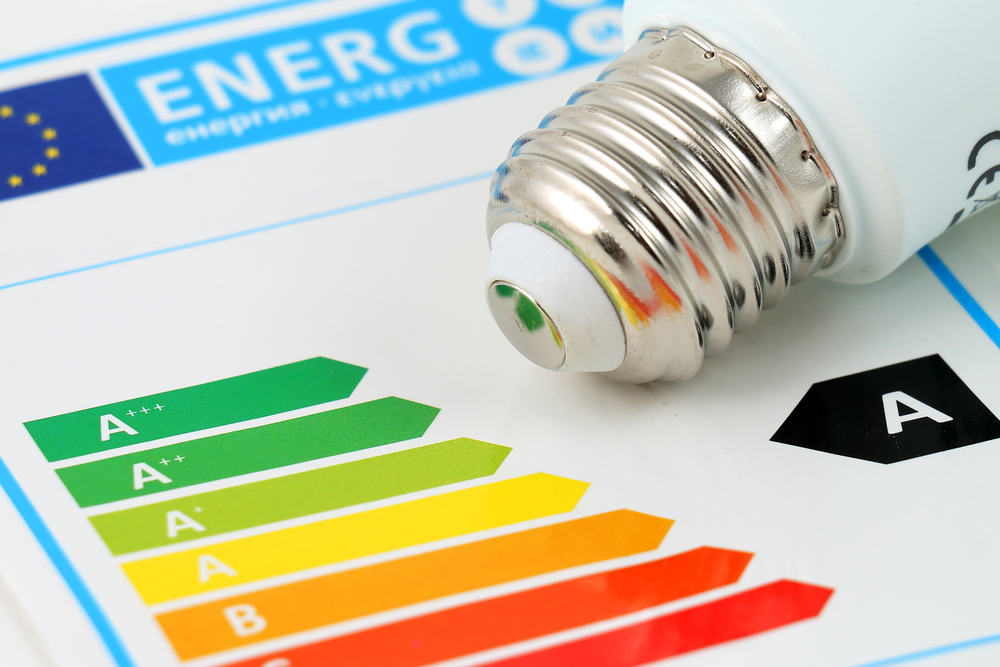
  • Check the packaging: Look for the energy rating on the packaging of the bulb. The rating should tell you how efficient the bulb is and how much energy it uses compared to traditional bulbs.
  • Replace bulbs gradually: You don’t have to replace all your bulbs at once. Start by replacing the bulbs in the rooms you use the most or the ones that are on for long periods.
  • Dispose of old bulbs safely: Properly dispose of your old bulbs to reduce the environmental impact. Most local authorities offer recycling schemes for light bulbs.
  • Consider smart lighting: Smart lighting systems allow you to control the lighting in your home with your smartphone or voice commands. These systems often come with energy-saving features such as automatic dimming and scheduling.

Final Thoughts

Switching to energy-efficient light bulbs can be a simple and cost-effective way to reduce your energy bills while also helping the environment. By understanding the benefits of energy-efficient light bulbs, learning how to switch to them, and dispelling common misconceptions, you can make an informed decision to upgrade your lighting. 

At GCR Electrical Systems, we provide a wide range of electrical services, including energy-efficient lighting solutions. Contact us today to learn more about how we can help you make the switch to energy-efficient lighting and save on your energy bills.

Please contact us today at (07) 4120 7004 or leave an enquiry.