Category: Blog

10 Simple Steps To Reduce Your Energy Bills
Reduce Your Energy Bills

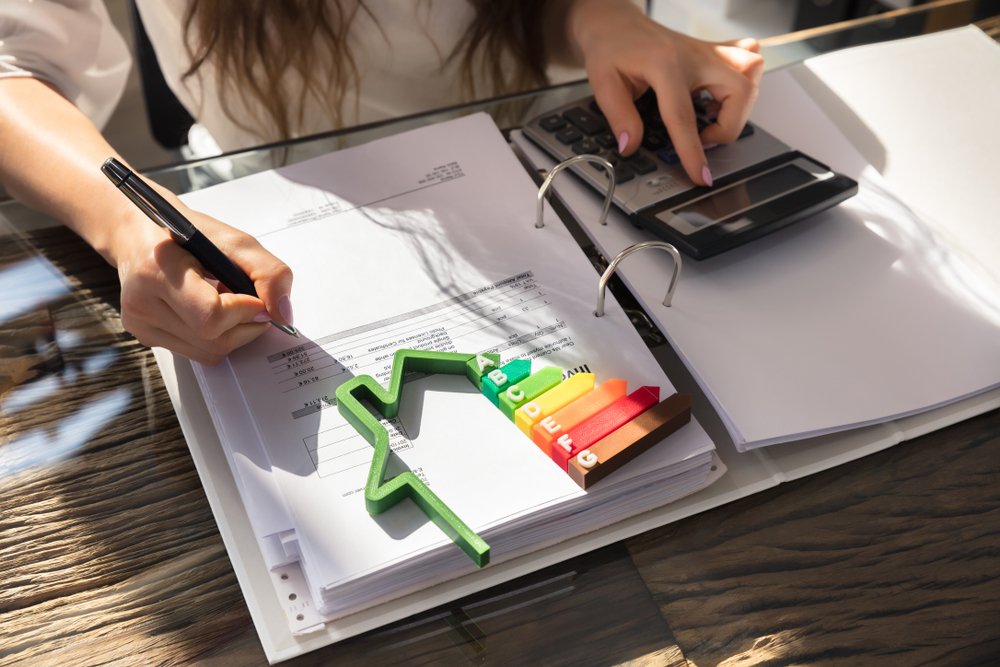
You can help the planet and your wallet by cutting back on your energy consumption. Small adjustments to one’s daily routine can have a big impact on one’s energy consumption and carbon footprint if you are environmentally conscious. This article will go over 10 easy things you can do to reduce your energy consumption and your monthly bills. From conducting a home energy audit to using energy-efficient appliances, here are different ways you can contribute to a greener tomorrow.

1). Conduct A Home Energy Audit

Conducting a home energy audit is one of the most effective ways to identify areas of energy waste in your home. A home energy audit involves a comprehensive assessment of your home’s energy use, including an evaluation of your heating and cooling systems, insulation, windows and doors, and appliances. 

You can conduct an energy audit yourself using a simple checklist, or you can hire a professional energy auditor to perform a more detailed assessment. By identifying areas of inefficiency, you can take steps to improve your home’s energy efficiency, reduce your energy bills and carbon footprint, and create a more comfortable living space for you and your family.

2). Use Energy-Efficient Lighting

Lighting can account for a significant portion of your energy bill, but there are simple ways to reduce your lighting costs without sacrificing the quality of your lighting. One of the easiest ways to save energy and money on lighting is by switching to energy-efficient lighting options, such as LED bulbs or compact fluorescent lamps (CFLs).

LED bulbs use up to 90% less energy than traditional incandescent bulbs and last much longer, making them a cost-effective and energy-efficient lighting solution. CFLs are also a good option, using around 75% less energy than incandescent bulbs and lasting up to 10 times longer. While LED bulbs and CFLs may be more expensive to purchase initially, their long lifetimes and energy savings can provide significant savings in the long run.

3). Install A Programmable Thermostat

Installing a programmable thermostat is another great step towards reducing your energy bills. This device allows you to set different temperatures for different times of the day, meaning that you can avoid wasting energy on heating or cooling your home when no one is around. By setting the temperature to a comfortable level when you’re home and adjusting it when you’re away, you can save up to 10% on your energy bills.

To get the most out of your programmable thermostat, it’s important to set it correctly. You should set the temperature lower in winter and higher in summer, especially when you’re not home. By doing this, you can save money on heating and cooling costs while still keeping your home comfortable. Additionally, you can adjust the temperature for sleeping hours or times when no one is home.

4). Unplug Electronics When Not In Use

Unplugging electronics and appliances when they are not in use can help you reduce your energy consumption and lower your energy bills. Even when you turn off your devices, they can still consume a small amount of energy known as standby power or vampire power. This energy usage can add up over time and increase your electricity bills.

5). Upgrade Insulation

Upgrading insulation is one of the most effective ways to reduce energy consumption and lower energy bills. Poor insulation in a home can result in heat loss during the winter and heat gain during the summer, causing heating and cooling systems to work harder and use more energy.

To upgrade insulation, start by checking the insulation levels in your home’s walls, ceilings, and floors. If you find that your home is under-insulated, you can add more insulation in these areas. There are several types of insulation available, including fibreglass, cellulose, and spray foam. The type of insulation you choose will depend on your budget, the climate you live in, and other factors.

6). Use Energy-Efficient Appliances

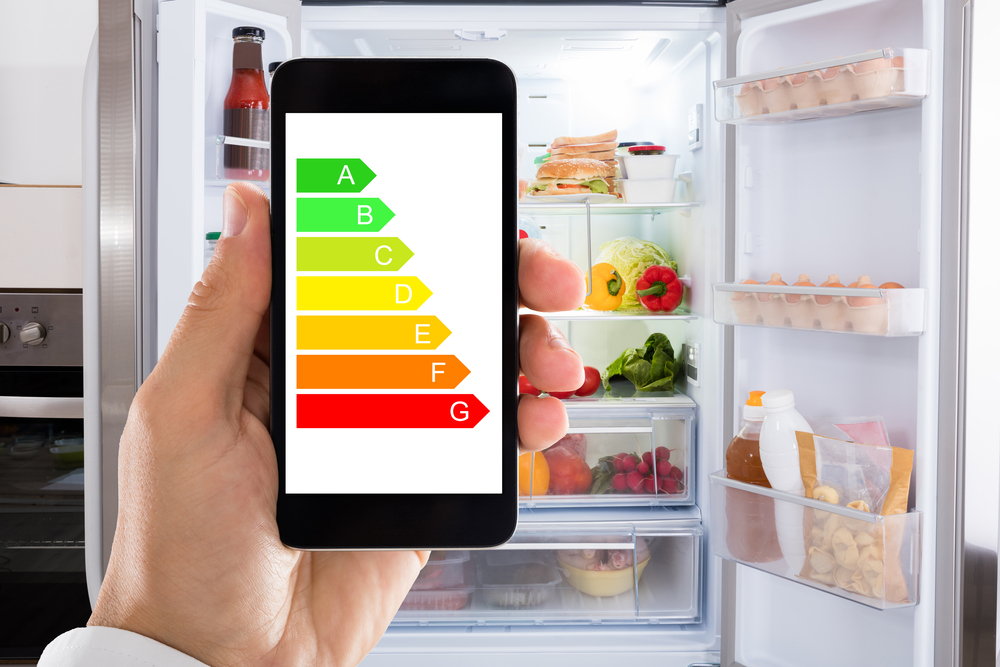
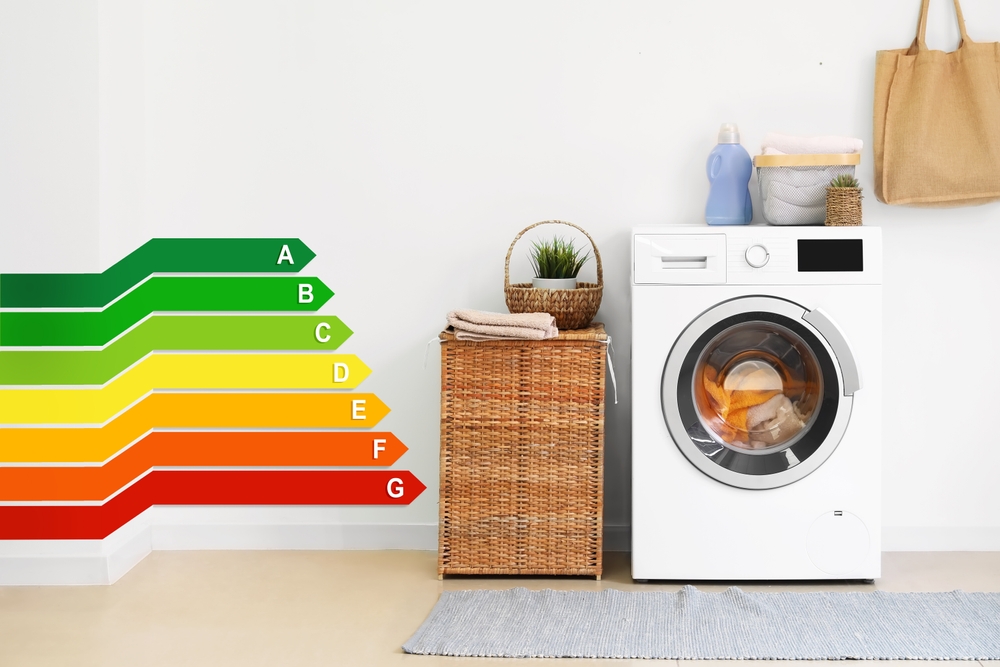
Energy-efficient appliances can help reduce your energy bills significantly. When shopping for new appliances, look for the Energy Star label, which indicates that the appliance has met energy efficiency standards set by the government. These appliances use less energy and can save you money on your utility bills over time.
Reduce Your Energy Bills

7). Seal Air Leaks

Sealing air leaks is an important step to reduce your energy bills. Air leaks can occur around windows, doors, vents, and electrical outlets, causing the heated or cooled air to escape outside. This means that your heating and cooling system has to work harder to maintain the desired temperature, leading to higher energy bills.

To identify air leaks, you can perform a simple test using a lit candle or incense stick. Move the flame or smoke around windows, doors, and other potential leakage areas. If the flame or smoke moves, this indicates an air leak.

8). Use Natural Light

Using natural light can be a simple yet effective way to reduce your energy bills. Instead of relying on artificial lighting, make the most of the natural light in your home. This can be done by opening up curtains and blinds during the day and keeping them closed at night. If you’re concerned about privacy, consider using sheer curtains that still allow natural light to filter through. 

9). Install Shading Devices

Installing shading devices can be an effective way to reduce your energy bills while also keeping your home cool and comfortable. Shading devices such as awnings, blinds, shutters, and curtains can help to block out the sun’s heat and light, reducing the need for air conditioning and artificial lighting. 

When choosing shading devices, it’s important to consider the orientation of your home and the position of windows and doors. It’s also important to choose shading devices that complement the design and aesthetic of your home.

10). Reduce Hot Water Usage

Reducing hot water usage is another effective way to lower energy bills. Consider taking shorter showers or using a low-flow showerhead to reduce water consumption. You can also wash clothes in cold water and only run the dishwasher when it is full. Insulating your hot water tank and pipes can also help to retain heat, reducing the need to reheat water frequently. By reducing hot water usage, you can not only save money on your energy bills but also conserve water resources.

Final Thoughts

Reducing your energy bills doesn’t have to be a difficult or costly task. By implementing these 10 simple steps, you can significantly reduce your energy consumption and save money on your bills. From using energy-efficient lighting to conducting a home energy audit, there are many ways to make your home more energy-efficient. 

Take action today and start implementing these tips to reduce your energy bills and help the environment. Remember, even small changes can make a big difference. If you need help with any electrical installations or upgrades, don’t hesitate to contact GCR Electrical Systems, our expert team will be happy to assist you.

Please contact us today at (07) 4120 7004 or leave an enquiry.
Why You Should Conduct A Home Energy Audit

Conduct A Home Energy Audit

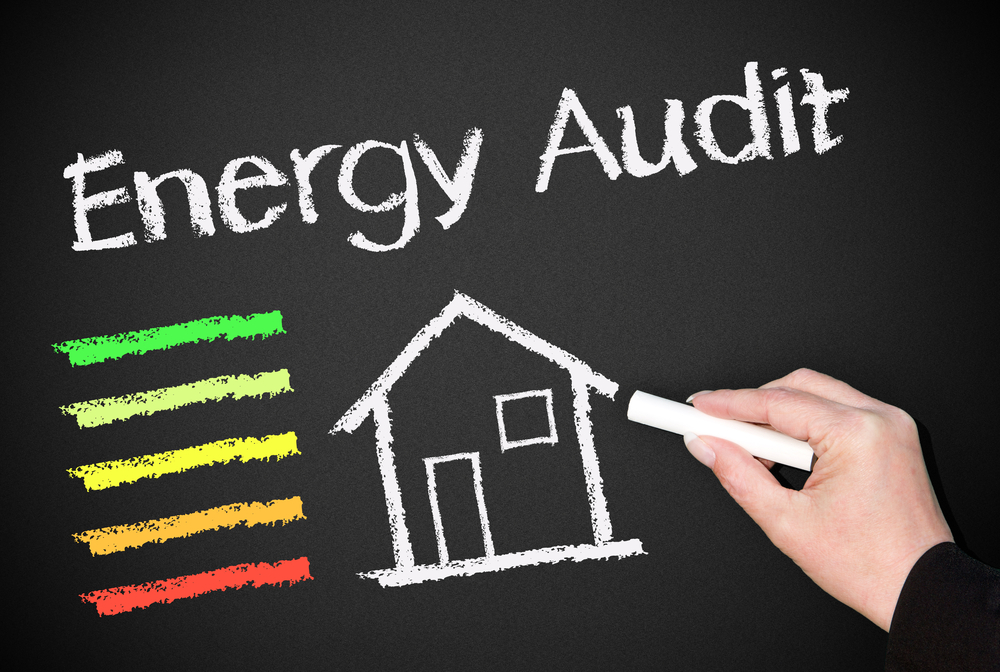
One way to determine where energy is being wasted in your household is to conduct a home energy audit, also called an energy assessment. The results of the assessment show homeowners how they can reduce their energy bills and make their homes more eco-friendly.

Importance Of Conducting A Home Energy Audit

There are many compelling arguments in favour of having a home energy assessment performed. First, it shows residents where they can cut back and save money on their energy bills by making simple changes to their homes. Because of this, you may be able to save money on your monthly electricity costs.

Second, you can make your house more comfortable with an energy audit. Homeowners can increase their home’s comfort by upgrading insulation or sealing air leaks once it has been determined where heat or cold air is escaping.

Thirdly, a home’s energy usage can have less of an effect on the environment if an energy audit is performed. Homeowners can do their part to create a more sustainable future by decreasing their carbon impact through increased energy efficiency and decreased energy waste.

Four Benefits Of Conducting A Home Energy Audit

Conducting a home energy audit can offer several benefits to homeowners. Here are some of the key benefits:

1). Identifying Areas Of Energy Waste

One of the primary benefits of conducting a home energy audit is identifying areas where energy is being wasted. This may include air leaks, inefficient appliances, or inadequate insulation. By identifying these areas, homeowners can take the necessary steps to improve energy efficiency and reduce energy waste.

2). Saving Money On Energy Bills

Homeowners can reduce their energy consumption and costs by focusing on and fixing inefficient practices. Changing to more energy-efficient equipment or adding extra insulation, for instance, can drastically cut energy use and utility costs. This helps with saving money on energy bills.

3). Improving Home Comfort

Home energy audits can also help improve home comfort. By identifying areas where heat or cool air is escaping, homeowners can take necessary steps to improve insulation and reduce drafts. This can help improve home comfort, particularly during extreme weather conditions.

4). Reducing Environmental Impact

Reducing energy waste and improving energy efficiency can also have a positive impact on the environment. By reducing energy consumption, homeowners can help reduce their carbon footprint and contribute to a more sustainable future.

How To Conduct A Home Energy Audit

Conducting a home energy audit may seem daunting, but there are several methods that homeowners can use to evaluate their energy consumption. Here are some common methods:

Conducting A Visual Inspection

The simplest method of conducting a home energy audit is by conducting a visual inspection. This involves walking through the home and looking for areas of energy waste, such as air leaks, gaps in insulation, and inefficient appliances. Homeowners can also look for signs of moisture or mould, which may indicate air leaks or inadequate insulation.

Using A Thermal Imaging Camera

Thermal imaging cameras can help identify areas where heat is escaping or cool air is entering the home. These cameras detect differences in temperature and can help pinpoint areas of energy waste, such as air leaks or inadequate insulation.

Conducting A Blower Door Test

A blower door test involves using a fan to depressurise the home, which can help identify areas of air leaks. During the test, a blower door fan is placed in an external door or window, and the fan is turned on to depressurise the home. This test can help identify air leaks and areas where insulation is inadequate.

Analysing Energy Bills

Analysing energy bills can also provide valuable information about a home’s energy consumption. Homeowners can evaluate their energy bills over a period of time to identify patterns or trends in energy usage. This information can help identify areas where energy is being wasted, such as appliances that are consuming too much energy or heating or cooling systems that are operating inefficiently.

Conduct A Home Energy Audit

DIY vs. Professional Home Energy Audit

When it comes to conducting a home energy audit, homeowners have the option to do it themselves or hire a professional. Here are some of the benefits of each approach:

Benefits Of DIY Home Energy Audit

Conducting a DIY home energy audit can be a cost-effective way to identify areas of energy waste. Homeowners can conduct a visual inspection of their homes, use thermal imaging cameras, and analyse their energy bills to identify areas of energy waste. DIY home energy audits can be an effective way to identify simple improvements, such as sealing air leaks or upgrading insulation.

Benefits Of Hiring A Professional

Hiring a professional to conduct a home energy audit can provide more detailed and accurate results. Professionals have access to specialised tools, such as blower door tests and infrared cameras, that can help identify areas of energy waste. Additionally, professionals can provide homeowners with a more detailed report that includes recommendations for energy improvements.

Factors To Consider When Deciding Between DIY And Professional Audit

When deciding between a DIY and professional home energy audit, homeowners should consider the complexity of the home and the level of detail they require. If a home is large or has complex systems, a professional audit may be more appropriate. Additionally, if homeowners require a more detailed report with specific recommendations for energy improvements, a professional audit may be necessary. On the other hand, if the home is relatively simple and homeowners are comfortable conducting a visual inspection and analysing energy bills, a DIY audit may be sufficient.

Tips For Making Home Energy Improvements

Once homeowners have conducted a home energy audit and identified areas of energy waste, they can take steps to improve energy efficiency and reduce energy waste. Here are some common tips for making home energy improvements:

1). Sealing Air Leaks

Air leaks can be a major source of energy waste, particularly in older homes. Homeowners can seal air leaks using caulk or weatherstripping around windows, doors, and other areas where air may be escaping. This can help prevent drafts and improve energy efficiency.

2). Upgrading Insulation

Inadequate insulation can also be a major source of energy waste. Homeowners can improve insulation by adding insulation to walls, ceilings, and floors. This can help keep the home warmer in winter and cooler in summer, reducing the workload on heating and cooling systems.

3). Installing Energy-Efficient Windows

Installing energy-efficient windows can also improve energy efficiency. Energy-efficient windows are designed to prevent heat transfer, keeping homes warmer in winter and cooler in summer. This can help reduce the workload on heating and cooling systems, leading to energy savings.

4). Upgrading To Energy-Efficient Appliances

Upgrading to energy-efficient appliances can also help reduce energy consumption. Energy-efficient appliances, such as refrigerators, washing machines, and dryers, are designed to use less energy while still providing the same level of performance. Upgrading to energy-efficient appliances can help reduce energy bills and improve energy efficiency.

Final Thoughts

In conclusion, conducting a home energy audit is an essential step towards improving energy efficiency and reducing energy waste in the home. By identifying areas of energy waste, homeowners can take necessary steps to make improvements and save money on energy bills.

It is important to remember that simple improvements, such as sealing air leaks, upgrading insulation, installing energy-efficient windows, and upgrading to energy-efficient appliances, can make a significant difference in energy consumption and bills.

We encourage homeowners to take action towards a more energy-efficient home by conducting a home energy audit and making necessary improvements. By doing so, homeowners can enjoy a more comfortable and sustainable home while also contributing to a more sustainable future.

Take the first step towards a more energy efficient home today by conducting a home energy audit or contacting GCR Electrical Sytems to conduct one for you. With the right improvements, you can enjoy a more comfortable and sustainable home while also saving money on energy bills.

Please contact us today on (07) 4120 7004 or leave an enquiry.

Maximising Energy Efficiency: Tips For A Greener Home

Reducing our energy use and making our homes more energy-efficient are becoming more and more popular as people recognise the value of leading greener lifestyles through practices like solar power. This is not only better for the environment, but it can also help you save money over time on your energy costs. We’ll be providing some straightforward but practical advice for building a more sustainable and energy-efficient home in this blog.

Understanding Energy Efficiency

The goal of energy efficiency is to use less energy to complete a task. The less energy you use and the more money you save on energy bills, the more energy-efficient your home is. To maximise the energy efficiency of your home, it is essential to understand energy efficiency.

There are several ways to increase the energy effectiveness of your home, including installing solar power, insulation, air leak repairs, the use of energy-efficient appliances, and switching to more energy-efficient lighting. Your energy usage, energy costs, and carbon footprint will all be reduced thanks to these upgrades.

It’s also crucial to comprehend the various energy ratings of appliances, as this will enable you to select products that use less energy. Examples of appliances that use less energy efficiently than others include refrigerators and air conditioners with higher Energy Star ratings. You can choose new appliances with confidence if you comprehend these ratings.

Enhancing the energy efficiency of your home benefits the environment and can ultimately save you money. You can significantly lower your energy costs and raise the overall value of your home by cutting back on your energy use.

Tips For Maximising Energy Efficiency In Your Home

Improving the energy efficiency of your home not only helps reduce your carbon footprint but also saves you money on energy bills. Here are some tips for maximising energy efficiency in your home:

  • Upgrade to Energy-Efficient Appliances: Replacing old appliances with energy-efficient models can reduce your energy consumption significantly. Look for appliances with an ENERGY STAR rating, which indicates that they meet strict energy efficiency standards.
  • Use LED Lighting: LED lights are more energy-efficient than traditional incandescent bulbs and last longer, reducing the frequency of bulb replacements. You can also install dimmer switches to further reduce energy consumption.
  • Insulate Your Home: Proper insulation is essential for energy efficiency as it helps keep your home cool in summer and warm in winter, reducing the need for heating and cooling systems. Consider adding insulation to your walls, ceilings, and floors to maximise energy efficiency.
  • Use a Programmable Thermostat: A programmable thermostat allows you to set different temperatures for different times of the day, reducing energy consumption when you’re not at home or sleeping. You can also use a smart thermostat that learns your temperature preferences and adjusts accordingly.
  • Seal Air Leaks: Air leaks in your home can increase your energy bills by letting in drafts and forcing your heating and cooling systems to work harder. Use weatherstripping and caulking to seal air leaks around windows and doors.
  • Plant Trees and Install Shading Devices: Trees and shading devices such as awnings and blinds can block direct sunlight and reduce heat gain in your home, reducing the need for air conditioning.
  • Unplug Electronics When Not in Use: Many electronics continue to draw power even when they’re turned off. Unplug electronics when they’re not in use or use power strips that allow you to switch off multiple devices at once.

By following these tips, you can maximise energy efficiency in your home, reduce your carbon footprint, and save money on energy bills.

The Benefits Of Maximising Energy Efficiency

Maximising energy efficiency in your home can bring numerous benefits, not just for the environment but also for your wallet. By reducing your energy consumption, you can significantly lower your energy bills and save money in the long run.

Another benefit of maximising energy efficiency is that it can make your home more comfortable and healthy. By reducing air leaks and improving insulation, you can maintain a consistent temperature and reduce humidity, making your home a more comfortable living space.

In addition, maximising energy efficiency can also improve the overall value of your home. Energy-efficient homes are becoming increasingly popular and desirable in the real estate market, making them more attractive to potential buyers.

By taking simple steps to maximise energy efficiency in your home, you can make a positive impact on the environment, save money, and create a more comfortable living space.

Overcoming Challenges To Energy Efficiency

While maximising energy efficiency in your home is a great way to reduce your carbon footprint and save money on energy bills, it can also present some challenges. Here are some common challenges you might encounter when trying to make your home more energy-efficient, and how to overcome them.

  • Upfront Costs: One of the biggest challenges to energy efficiency is the upfront costs of making upgrades to your home. While energy-efficient appliances and home improvements may be more expensive initially, they can save you money in the long run. To overcome this challenge, consider budgeting for energy-efficient upgrades over time, starting with the upgrades that will have the biggest impact on your energy bills.
  • Lack of Knowledge: Many homeowners are unaware of the most effective ways to improve energy efficiency in their homes. To overcome this challenge, do your research or consult with a professional to learn about the most effective energy-efficient upgrades for your home.
  • Behavioural Habits: Even with energy-efficient upgrades, your energy bills can still be high if you don’t practice energy-efficient habits. To overcome this challenge, make small changes in your behaviour such as turning off lights when you leave a room, unplugging electronics when not in use, and using a programmable thermostat to manage your home’s heating and cooling.
  • Maintenance: Regular maintenance is crucial for the continued energy efficiency of your home. Neglecting maintenance tasks can cause energy-efficient upgrades to become less effective over time. To overcome this challenge, create a maintenance schedule to ensure your appliances and home improvements are always in good working condition.

By understanding and overcoming these challenges, you can maximise the energy efficiency of your home and enjoy the benefits of reduced energy bills and a greener lifestyle.

Final Thoughts

Maximising energy efficiency in your home can not only help reduce your carbon footprint but also save you money on energy bills in the long run. By understanding energy efficiency, following the tips we provided, and overcoming challenges that may arise, you can create a greener home and contribute to a more sustainable future.

At GCR Electrical Systems, we can help you achieve your energy efficiency goals with our range of services, including solar panel installation, smart home devices, and energy audits. Contact us today to learn more about how we can help you maximise your home’s energy efficiency and make a positive impact on the environment.

Please contact us today on (07) 4120 7004 or leave an enquiry.


Saving Money On Energy Bills: The Power of Smart Home Devices

Saving Money On Energy Bills

It is no secret that many Australian households struggle to make ends meet due to the rising cost of living. Energy bills are among the biggest costs that homeowners must pay. Finding ways to reduce energy use and electricity costs is crucial as long as energy prices continue to rise. Fortunately, there are now numerous ways to reduce your energy costs without giving up comfort or convenience thanks to advances in smart home technology.

The Exorbitant Price Of Energy Bills

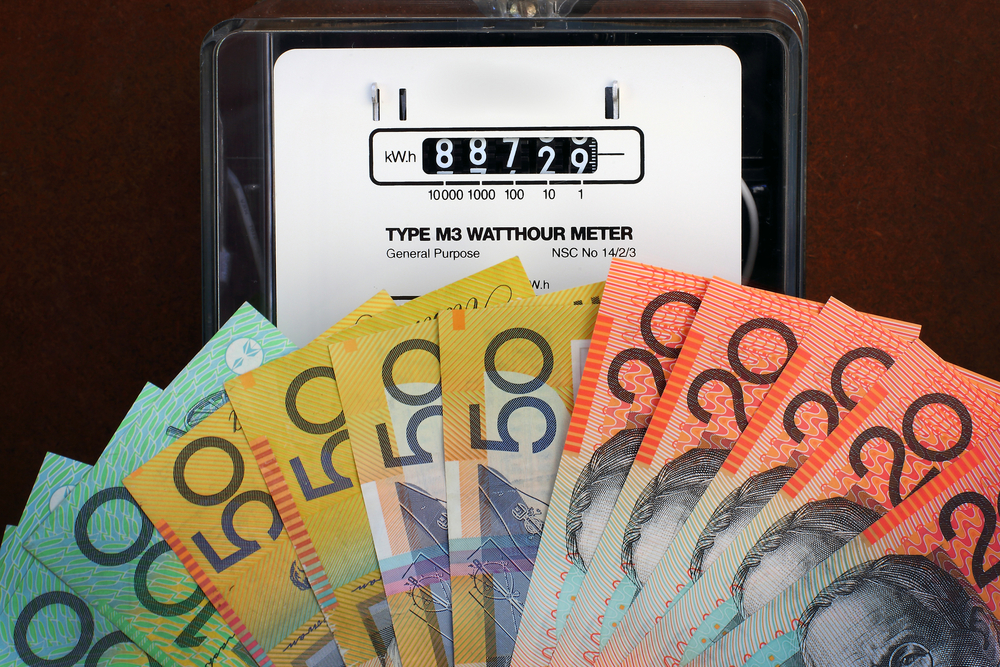
Electricity bills are one of the biggest expenses for many households in Australia, where the cost of energy has been rising over time. In actuality, the average annual electricity bill in Australia is over $1,600, according to the Australian Energy Market Commission. This is a sizeable expense that may strain the finances of many households, particularly those with fixed incomes.

Numerous factors, such as the rising cost of producing electricity and the rising demand for electricity, contribute to the high cost of energy bills. Population growth and rising home appliance and electronic usage are the main drivers of this demand. Finding ways to lower energy use and lower energy costs is becoming more and more important as energy prices rise.

Investing in smart home gadgets is one of the best ways to save money and lower energy usage. These gadgets are made to monitor and manage energy use in the house, enabling homeowners to reduce their energy costs while keeping their homes comfortable. We’ll look more closely at the advantages of utilizing smart home technology to reduce energy costs in the following section.

How Do Smart Home Devices Work?

Any appliances or gadgets that can be operated remotely using a mobile app or a voice assistant like Amazon Alexa or Google Assistant are considered smart home devices. Your home’s lighting, heating and cooling systems, security systems, and entertainment systems can all be automated and controlled using these gadgets.

The smart thermostat is one type of common smart home appliance. This device can be set up to change your home’s temperature based on your schedule or preferences. Additionally, it can learn your habits and change the temperature on its own to save energy when you’re not home. By lowering the cost of heating and cooling, smart thermostats can help you save money on your energy bills.

The smart lighting system is yet another well-liked smart home gadget. This enables you to remotely control the lighting in your house, dimming, turning on, and even changing the colour of the lights. Smart lighting systems can be set up to turn on or off when you enter or leave a room. Because you will use less electricity for lighting, you will pay less for your energy bills.

Saving Money On Energy Bills

How To Save Money With Smart Home Devices

The ability of smart home appliances to reduce energy costs is one of their many important advantages. These gadgets can significantly lower your electricity and gas bills by automating and maximizing your home’s energy use.

Smart thermostats, for example, can modify your home’s temperature based on your occupancy patterns and the weather outside, which can cut your heating and cooling costs by up to 20%. By turning off lights when you leave a room, dimming lights when they are not needed, and modifying the brightness and colour temperature of your lights to suit your mood and the time of day, smart lighting can also help you save money.

Additionally, by providing real-time data on your energy usage and warning you when you’re using more energy than is necessary, smart home devices can assist you in monitoring and lowering your energy consumption. You can reduce your energy costs by hundreds of dollars over time by tracking your energy usage patterns and making minor changes to your daily routine.

In general, smart home technology is a great investment for homeowners looking to reduce their energy costs without sacrificing convenience or comfort. There has never been a better time to begin converting your house to a smart home thanks to the wide variety of devices that are currently available on the market.

Considerations Before Buying Smart Home Devices

There are a few things you should think about before rushing out to purchase the newest smart home appliances. First, consider the unique requirements of your household. Do you want to reduce your energy costs? make your home more secure? Or simply experience more ease in your day-to-day activities? You can choose smart home appliances that are suited to your priorities and lifestyle by determining your needs.

Second, take into account whether your smart home appliances will work with the voice assistant or existing home automation system. By doing this, you can make sure that all of your devices can seamlessly communicate with one another and be managed from a single hub.

Consider the devices you are considering’s potential long-term cost savings. Even though some might cost more upfront, others might be more cost-effective in the long run in terms of energy use.

Final Thoughts

Your life could be made more convenient and secure while saving money on energy bills thanks to smart home technology. You can choose which devices to buy by carefully considering your household’s needs, ensuring compatibility with your current systems, and assessing long-term cost savings.

Speak With GCR Electrical Systems Right Away

GCR Electrical Systems can assist if you’re interested in installing smart home appliances to reduce your energy costs. Our team of skilled electricians can offer professional guidance on choosing and installing the appropriate appliances for your home. To find out more, call us right away.

Please contact us today on (07) 4120 7004 or leave an enquiry.


How Solar Power Can Reduce Greenhouse Gas Emissions in Australia

Solar Power Can Reduce Greenhouse Gas

Global warming and climate change are two of the biggest issues currently affecting the world. Fossil fuel combustion results in significant levels of greenhouse gas emissions, so we must find alternative energy sources to reduce our carbon footprint. Installing solar panels to produce your energy needs is one such option whose appeal has recently increased significantly. In this blog, we’ll cover how solar energy can reduce greenhouse gas emissions and provide a renewable source of energy.

Greenhouse Gas Emissions: A Problem

One of the most urgent problems affecting our planet right now is the issue of greenhouse gas emissions. Human activities like burning fossil fuels, deforestation, and industrial processes release greenhouse gases into the atmosphere, including carbon dioxide, methane, and nitrous oxide.

These gases cause the Earth’s atmosphere to retain heat, which raises global temperatures and has a number of negative consequences, such as more frequent and severe heatwaves, droughts, floods, and storms. Increased temperatures also contribute to the melting of glaciers and ice caps, which raises sea levels and increases the risk of flooding and eviction for coastal communities.

The negative social and economic effects of climate change brought on by greenhouse gas emissions extend beyond the natural world. For instance, an increase in the frequency and severity of extreme weather events may cause crop failure, a shortage of food and water, and even resource-related conflict.

The issue is massive in scope. The concentration of greenhouse gases in the atmosphere has increased to levels not seen in at least 800,000 years, according to the Intergovernmental Panel on Climate Change (IPCC). We must act to reduce greenhouse gas emissions as quickly and effectively as we can if we want to prevent the catastrophic effects of climate change.

Solar Energy As A Fix

As we’ve seen, greenhouse gas emissions are a serious threat to the environment, but the good news is that we have the technology to lessen them. As a clean, renewable energy source that emits no greenhouse gases while being used, solar power is one of the most promising solutions to this issue and the future of energy in Australia.

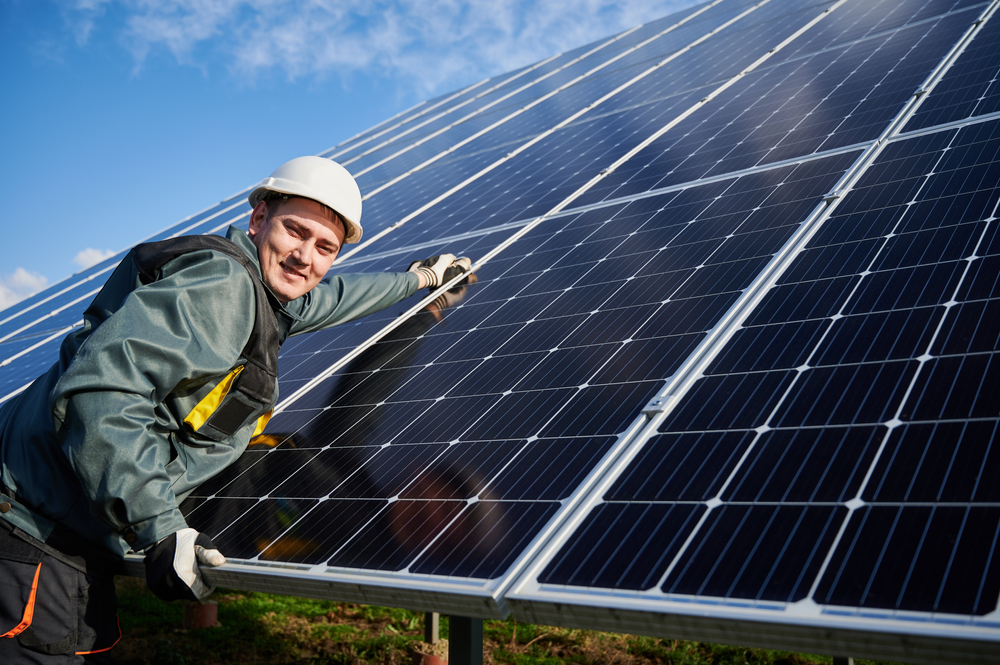
Solar panels are used to collect energy from the sun for use in solar power systems. Sunlight is converted into electricity by these panels, which can then be used to run buildings like homes and businesses or even whole cities. Solar energy has the potential to drastically lessen our reliance on fossil fuels, which are in large part to blame for greenhouse gas emissions.

Solar energy is incredibly versatile, which is one of its many wonderful qualities. From modest residential installations to substantial commercial and industrial applications, it can be used in a range of contexts. In fact, some of the biggest solar energy facilities on the planet are able to produce enough electricity to run whole cities.

The fact that solar energy is getting more and more affordable is another advantage. Solar power is now more affordable for a wider range of people and companies thanks to a significant decline in solar panel prices over the past ten years. In fact, solar energy is currently the least expensive type of electricity available in some parts of the world.

Additionally, solar energy is a long-term, sustainable solution to our energy problems. The sun is a nearly limitless source of energy, unlike fossil fuels, which are limited resources that will eventually exhaust themselves. We can provide future generations with a dependable and sustainable source of energy by investing in solar energy today.

Solar Power Can Reduce Greenhouse Gas

Reasons To Switch To Solar Right Now

Solar energy conversion can be a prudent financial move in addition to being morally and environmentally responsible. Solar energy can reduce your reliance on non-renewable energy sources, increase the value of your property, and result in significant energy bill savings.

Solar energy can offer more than just financial advantages; it can also give one a sense of security and independence. You are no longer at the mercy of power outages or changes in the price of energy if you have the ability to produce your own energy. Additionally, solar energy can improve your energy independence, which is crucial for people who live off the grid or want to reduce their grid dependence.

Additionally, by investing in solar energy, you support the shift to a cleaner, more sustainable future. Compared to conventional energy sources, solar power has a much smaller negative impact on the environment and emits no emissions. You can combat climate change and improve the world for future generations by lowering your carbon footprint.

Overall, there are many compelling arguments in favour of switching to solar energy. The advantages of solar energy are obvious, ranging from cost savings to environmental responsibility. Why not switch now and begin enjoying the benefits of renewable energy?

Final Thoughts

In conclusion, solar energy is a sustainable way to lower greenhouse gas emissions, which are a major cause of climate change. Solar energy is a sustainable energy source that can benefit homes, businesses, and industries over the long term. Despite some implementation difficulties, solar power is becoming more efficient and economical thanks to advances in technology and materials. We can lessen our reliance on fossil fuels and contribute to a more sustainable future by investing in solar energy.

Speak With GCR Electrical Systems Right Away

Get in touch with GCR Electrical Systems right away if you’re interested in switching to solar power. We are a top installer of solar panels and can assist you in switching to green and sustainable energy. Our team of skilled experts can evaluate your energy requirements, create a unique solar power system, and offer ongoing maintenance and support. To find out more about how solar energy can help you and the environment, get in touch with us right away.

Please contact us today on (07) 4120 7004 or leave an enquiry.


Will Electricity Prices Go Up In Australia In 2023?

Will Electricity Prices Increase Australia 2023

Australia is currently undergoing an energy crisis. The twin shock of pandemic-induced supply chain issues and the ongoing conflict in Europe have triggered this energy crisis which was given people a lot of uncertainty about the future. 

Most people have a lot of questions they want to be answered. Will electricity prices go up in Australia in 2023? Is there anything you could do to bring down your electricity expenditure? Should I invest in solar panels

In today’s blog post, we will discuss the reality of the current retail electricity market and what you can do to shield yourself from this extreme volatility.

The Rise in Electricity Prices

In some parts of Australia, electricity prices have already risen by around 25% since April 2022. There is a growing consensus that prices will continue their upwards trajectory in 2023. In terms of numbers, prices are expected to rise by up to 35% or even more, in 2023.

For the average consumer, the rise in prices means that if they have been paying around $3000 annually in electricity bills, they should expect to pay upwards of $4000 in 2023. The primary driver of this insane increase in prices is the conflict in Europe along with the supply chain disruption caused by the pandemic.

What Can You Do to Save Money on Electricity?

It’s certain that electricity prices will rise. Analysts are expecting that the increase is here to stay until the transition from fossil fuels is completed; however, that possibility is still several years away.

Nonetheless, there are actions you can take today to shield yourself from the increase in electricity prices and price volatility in the near future. The best way for you to save money on rising electricity prices is to make the switch to solar power

Will Electricity Prices Increase Australia 2023

Advantages of Investing in Solar Power

1). Save Money

One of the main benefits of investing in solar power is that it helps you save a ton of money. For example, with a 5 kW solar system, consumers in Queensland can save more than $1,100 each year on their electricity costs. This means they should be able to get their investment back within 4 years. The savings rate and payback period will vary depending on the size of the solar system as well as the electricity prices.

2). Available Rebates

The government at both state and federal levels offer plenty of rebates and incentives. In fact, most households don’t need to worry about the upfront cost as it is within their reach. When you ask for an estimate from an experienced installer such as GCR Electrical Systems, you will get a quote after taking into account the available rebates.

3). Long-Term Protection

With a solar power system, you’re set for the next 25 to 30 years. Solar panels are rated to perform up to at least 80% of their initial electricity generation capacity for 25 years. In simple terms, it means that your solar panels won’t lose more than 20% efficiency in 25 years. Even after 25 years, they won’t suddenly stop producing electricity even if the efficiency goes down. Once your initial payback period is complete, these panels will be putting free money into your pockets.

Final Thoughts

Electricity prices in Australia have been going up for quite some time, and 2023 isn’t going to be any different. In fact, many experts forecast the prices to move up by at least 35% during the next year and they could rise even more. 

Fortunately, you don’t need to bear this increase in electricity prices. Get a solar power system today and start not only saving money but making money for the next 25 years.

GCR Electrical Systems is the premier supplier of solar power systems in the country. We have partnered with the best solar panel manufacturers to provide the very best to our customers. We have installed more than 1000 solar power systems. 

Please contact us today on (07) 4120 7004 or leave an enquiry.

What Is The Future Of Energy In Australia?

Future Of Energy In Australia

What is the future of energy in Australia? It is one of those questions everyone is asking these days. With constantly rising energy prices and the mayhem brought on by this immense increase in prices, consumers and businesses are concerned about what lies in their energy future. This is why they have been turning to renewable energy sources such as solar power. If you want to learn more about what the is the future of energy in Australia, keep reading our blog article!

What Does The Future Of Energy Look Like In Australia?

One thing that is absolutely clear is that the future of energy in Australia is renewable energy including solar and wind power. The government in Queensland has recently announced a renewable energy target of 70% by 2032 and 80% by 2035. These targets include plans for 11.5 GW of rooftop solar along with 9 GW of battery storage. 

Currently, the renewable energy percentage in Queensland stands at around 21% and is on track to cross 80% by 2035. All the other regions in the country have also set ambitious targets to switch to renewable energy in the next 10 to 15 years. 

There are also plans to make Australia a green hydrogen hub by utilising solar and wind power for the production of hydrogen. In short, the current bumps in the electricity prices for retail consumers are, most likely, just hiccups as most of the country transitions to a majority of renewable power. 

As a consumer, you also have the opportunity to contribute towards this renewable energy target by opting for solar panels. It will not only save you a lot of money but you will eventually start earning money from your investment after the payback period which is generally 4 to 6 years. 

Don’t forget that solar panels are rated to last at least 25 years. The service life means that they will retain at least 80% of their electricity generation capacity for 25 years and they won’t suddenly shut off after 25 years though their efficiency will go down. 

Why You Should Make The Switch To Solar

If you still haven’t made up your mind to switch to solar, here are a few compelling reasons for you to make the switch now:

1). Relatively Inexpensive

One of the main reasons most Australians are considering investing in rooftop solar is because it’s relatively inexpensive. Generous rebates bring down the initial cost of the installation of solar panels substantially. 

In fact, most Australians can expect to save more than $1000 each year on electricity costs with an investment in a 6.6 kW solar power system. Simply put, you will be able to get your investment back within 4 to 6 years and then, it’s going to be pure profit.

Future Of Energy In Australia

2). Accessible Electricity

If you also invest in solar batteries along with solar panels, you will be able to reduce your dependence on the power grid to a large extent. These solar panels will generate electricity during the daytime which can be stored in the batteries. 

Since most of the electricity consumption in a regular household takes place during the evening hours, the stored energy in the battery can be used to power most appliances. A decent combination of enough solar panels and solar batteries would allow a regular household to reduce their dependence on the mains grid to almost nothing.

3). Install And Forget

Modern-day solar panels are designed to withstand regular wear and tear without any issues for long periods of time. These require minimal maintenance. You only need to clean them occasionally and get a service engineer to take a look at the connections once every year or 2 years. That’s all you need to do in terms of maintenance and your solar panels with keep putting money in your pocket for the next two decades.

Final Thoughts

In summary, the future of energy in Australia is clearly renewable power, and solar power is going to be a large part of it. State and federal governments already offer a slew of incentives for households and businesses to switch to solar power. 

The cost of solar panels has also gone down substantially. It would be a mistake for homeowners to wait any longer to switch to solar power as the incentives get decreased with every passing year and are eventually going to be phased out after 2030.

Contact GCR Electrical Systems Today!

GCR Electrical Systems is the leading provider of solar power installation, repairs and maintenance services in the region. We offer the very best to our customers.

Please contact us today on (07) 4120 7004 or leave an enquiry.

4 Key Tips To Save Money During The Current Energy Crisis

Save Money During The Current Energy Crisis

The current energy crisis in Australia has placed significant pressure on Australians to cope with its consequences. Soaring electric bills, and hence costs of living, can be really challenging and stressful to deal with. With all this in mind, what are some cost-effective energy management solutions for you to consider? In this article, we’ll be sharing four helpful tips to help you start saving on your energy bills today!

4 Great Tips on Saving Money Amid the Energy Crisis

Saving money during this energy crisis does not have to be hard. It can be quite simple if you’re willing to take saving seriously. Here are a couple of tips you can consider doing:

1). Turn Down the Heating and Cooling

One way you can conserve energy is by limiting your usage of air and water heating. This is because heating has been hailed as the single “big thing” in energy usage. In a typical Australian home, water heating accounts for 24-32% of end-use energy consumption while HVAC systems may account for up to an alarming 46%. 

The figure goes up the more the HVAC system is used, and the more bathrooms a building has, the more expensive it is to heat the water. You can achieve this by letting the sunshine in, using a smart thermostat, changing the furnace filter, using programmable shower heads, and other methods. Once you have tried out this energy-saving hack, you’ll be shocked at how much you’re saving!

2). Go Solar

Energy accounts for a large chunk of your monthly expenses whether through gas or electricity. Unfortunately, this is a necessary evil and you can’t avoid it. Unfortunately, gas and electricity costs are at all-time highs. Even worse, the current inflation squeeze is just a small part of the broader inflation crunch and prices are set to soar. As a result, you can find yourself in an endless loop where your earnings and savings decrease month after month. 

One of the most effective ways to save money on energy costs is by going solar. Solar allows you to generate your own clean, renewable and affordable energy to use for all your domestic needs. In fact, it was found that homes in areas with a lot of sunshine can save about $1,500 annually by installing solar panels. You can rescue yourself from debt and enjoy other benefits of solar energy such as contributing to a greener planet, tax credits and incentives, energy security, and increased home value. 

Save Money During The Current Energy Crisis

3). Save Cooking Gas 

Cooking up a storm? Before cooking, always measure what you’re cooking, use low heat, and cover whatever you’re cooking. If possible, use a pressure cooker to reduce the energy required to cook. Lastly, match the size of the pan to the gas burner/hot plate. This can help cut the gas usage by as much as 50%!

4). Energy-Efficient Lighting and Appliances

Another simple yet effective strategy is to use energy-efficient appliances and lighting. These items employ technologies that are less energy-intensive and reduce the amount of energy it produces. Although these devices generally cost more, you will be shocked at just how much you can save by buying energy-efficient bulbs, dehumidifiers, dishwashers, refrigerators, dryers, washing machines, and more. 

Conserve Energy, Save Money

Conserving energy means spending less money on electricity or gas and making your home more eco-friendly. All it takes to do this is a mindset and habit change. Unfortunately, the majority of Australians find it difficult to change their usual energy-wasting habits. Even if they are, sometimes they fail to have the commitment, willpower, and discipline required to break these old habits. 

If you’re one of those people struggling to save on energy usage, solar energy is clearly a great option. With solar, you can remain in your comfort zone without worrying about the environment or an astronomically high power bill. Solar energy is abundant, clean, renewable, and affordable. 

If you would like to switch to solar power and join the hundreds of Australian homeowners who are enjoying peace of mind amidst the energy crisis, talk to GCR Electrical. We get the job done!

Please contact us today on (07) 4120 7004 or leave an enquiry if you would like more information about our solar installation services.

The Energy Crisis In Australia And Its Impact On Everyday Life

Energy Crisis In Australia

Life in Australia has become a tad difficult owing to the energy crisis that the country is currently facing. This has led to a supply shock and the skyrocketing of power prices. Based on this scenario, is there something that Australians can do to save on energy costs? Is solar power the answer? Let’s first look at the situation at hand:

What Are the Effects of the Energy Crisis on Everyday Life in Australia?

As a result of the energy crisis in Australia, there are a few consequences that Australians may begin experiencing in everyday life. Some of these include the following:

1). Higher Electricity Bills

The unprecedented decrease in fossil fuel supply means that energy prices have soared. This has brought challenges to the livelihood of common Australians. People are having to spend more on electricity, which has prompted many Australians to make the switch to sustainable power and energy-efficient appliances

2). Restriction on Power Usage

During peak periods when the power demand is high, Australians are requested to reduce energy consumption. For instance, there are restrictions on the use of air conditioning systems which are known to consume a lot of power. The result is that Australian households are not able to enjoy air conditioning services that come in handy during our sweltering summers.

3). Increased Cost of Production for Businesses

Most of the industries in Australia depend on electricity and gas to fuel production. However, the energy crisis has seen an increase in the cost of production. Consequently, that has led to the soaring cost of items produced. The cost is ultimately passed to the consumer which means that Australians are not just faced with higher electricity bills, but with a high cost of living too. 

4). Economic Suppression

Once the cost of items goes up, Australians are forced to spend more money on purchasing goods. This is detrimental because most families are spending more yet their income has not increased. Following this comes economic suppression. This means that people spend more on energy, leaving them with barely enough to spend on other necessities such as healthcare.

Energy Crisis In Australia

What Is the Solution to The High Cost of Energy During the Crisis?

The energy crisis calls for energy solutions that are sustainable for households and businesses. Having said that, the answer to this crisis is investing in solar energy. It might require a little pushing to make this solution widespread in Australia, but the future of power lies in solar energy.

There are various applications for solar energy, including the following:

  • Electrical power supply in households
  • Electrical heating of houses
  • Solar-heated water for domestic use
  • Powering of commercial buildings
  • Supply as a backup to other energy sources for various industries

The Cost-Benefit Analysis of Solar Energy

The initial cost of supply and installation of solar energy systems might be high but in the long run, solar energy will offer a good return on investment. This is because, beyond this initial cost, the customer will not be required to input more capital.

Aside from solar energy providing a valuable return on your investment, there are other noteworthy benefits of switching to solar energy. These other benefits include:

1). Solar Energy Is a Renewable Source of Energy

The sun is a renewable source of energy that is replenished every day, compared to other sources of energy such as coal and gas that get depleted.

2). Diverse Applications

Solar energy has diverse applications in various settings. It can be used for power supply, and heating, and through the use of an inverter, can be converted into a form that can be used to power machinery.

3). Low Maintenance Cost

Solar systems are not complicated, and only a little bit of maintenance is required to ensure that they are working properly. The batteries used in the system also have a long service life, reducing the cost of replacing them.

4). Does Not Contribute to Environmental Degradation

Solar energy is a clean source of energy that does not release any harmful gases into the atmosphere or deplete any natural resource, hence preserving the environment from pollution.

Make The Switch – Talk To GCR Electrical

Switching to solar energy would be the wisest decision you can make to avoid the stressful situations caused by the energy crisis. If you want to take your first step towards solar power and freedom from increasing energy costs, please contact GCR electrical for your solar power solutions.

Please contact us today at (07) 4120 7004 or leave an enquiry.
Why Is Australia Having a Power Shortage and How Can You Adjust? 

Australia Having a Power Shortage

Australia is currently grappling with its worst-ever energy crisis ever. The prices of power have soared amid a shortage of coal-fired generation due to scheduled and unplanned outages. As a resident you may be wondering, what effect will this have on your daily schedule. 

Even worse, business owners may wonder what tomorrow looks like, and how will their business survive when the performance of daily routines is impacted. Here is a comprehensive guide to the energy crisis, including steps you can implement to protect your home and place of business:

Why Is Australia Having a Power Shortage?

1). The Ukraine War 

There has been a massive disruption in fuel supply as a result of the Ukraine war and this has tremendously seen the price hike of energy commodities. Unfortunately, there is no certainty of things getting better considering the current affairs globally.

2). Overconsumption

Increased use of fossil fuels such as coal, gas, and oil has had an impact on the energy supply. This is mostly due to the non-renewable nature of these energy sources. High consumption overpowers production which has resulted in dwindling supplies of these natural resources.

3).  High Population

While the population density of a country can’t be controlled easily, its impact on the energy sector can’t also be ignored. High populations call for a high demand for natural resources. Granted, every additional person requires energy to survive which has a toll on the limited energy resources.

4). Underutilisation of Renewable Energy Options

There is a huge gap in tapping renewable energy options and overreliance on nonrenewable sources today. This has been the root of the current global crisis. When we switch our focus to a better option of energy supply such as solar energy, we will be on the right path when it comes to dealing with the energy crisis.

What Can You Do To Sustain Yourself? — Go Solar 

Australia Having a Power Shortage

It is at this moment that solar energy will do wonders for you and the planet. Installing solar panels will ensure you have power throughout and affordably. To keep your home and business operational, we can help you navigate the crisis and lower fuel demand significantly. Here is a guide on how solar energy and battery storage can help property holders avert the crisis:

Adopting Solar Energy

  • Solar Power Is Adequate

Solar radiation in Australia is huge—it is more than 50 million Petajoules. This tapped resource can help eradicate the dependence on fossil fuels. Even better, solar power is renewable so it’ll never run out, probably in this and the next and next lifetime!

  • Energy Security

An interesting fact about solar power is that it can be stored. There are solar storage mechanisms and products that get better every day and we can help you install systems that fit your home or business. The power storage strategies are great in making sure that you are not a victim of a power failure as well as saving costs when prices are high like in the current times.

  • Affordability

Solar energy is comparatively the most affordable form of electric energy. This is attributed to the fact that it is renewable and abundant. The products used in harnessing solar power are also technologically improving and thus mean a better mode of electricity at a cheaper cost. Integrating solar power will see a decrease in fossil fuel demand and avoid the crisis well. 

Final Thoughts

With the major issues affecting the energy sector, it is clear that you need to switch to a more sustainable source of energy. In this regard, solar energy will come in handy and save you from worries about high-power bills. 

Talk To The Solar Experts GCR Electrical

Ready to use clean, sustainable, renewable, and affordable energy? GCR Electrical Systems will help you with solar panel installation, repair, and other auxiliary services. Our experts can help you have constant power at a low cost for the rest of your life. 

Please contact us today on (07) 4120 7004 or leave an enquiry.