Category: Blog

How Solar Power Can Help Mitigate the Effects of Climate Change in Australia

How Solar Power Can Help Mitigate the Effects of Climate Change in Australia

Climate change is one of the most pressing issues of our time, and Australia is particularly vulnerable to its effects. Rising temperatures, more frequent and severe heat waves, changing rainfall patterns, and increased risk of bushfires are just some of the challenges Australia faces due to climate change.

In this article, we’ll explore how solar power can help mitigate the effects of climate change in Australia.

Endless Sunshine In Australia

Australia is one of the sunniest continents on Earth, making it an ideal location for solar power generation. Solar energy is abundant, renewable, and emits no greenhouse gases during operation, making it a crucial part of the solution to climate change. By harnessing the power of the sun, Australia can reduce its reliance on fossil fuels and decrease its carbon footprint.

Solar Energy Basics

Solar energy is generated by capturing sunlight and converting it into electricity using solar panels. These panels contain photovoltaic cells that absorb sunlight and generate direct current (DC) electricity. An inverter then converts this DC electricity into alternating current (AC) electricity, which can be used to power homes, businesses, and even entire communities.

Reducing Greenhouse Gas Emissions

One of the primary benefits of solar power is its ability to reduce greenhouse gas emissions. Traditional energy sources such as coal, oil, and natural gas emit carbon dioxide and other greenhouse gases when burned for electricity generation. By switching to solar power, Australia can significantly reduce its emissions and help mitigate climate change.

Energy Independence

Solar power also offers energy independence. By generating electricity from the sun, homeowners and businesses can reduce their reliance on the grid and fossil fuels. This independence is especially important during extreme weather events when the grid may be compromised, as solar power systems can continue to generate electricity even when the grid is down.

Economic Benefits

In addition to its environmental benefits, solar power offers significant economic advantages. Installing solar panels can lead to long-term cost savings on electricity bills, as solar energy is free once the system is in place. Furthermore, the solar industry creates jobs and stimulates economic growth, making it a win-win for both the environment and the economy.

Environmental Impact

Solar power has a minimal environmental impact compared to traditional energy sources. Solar panels produce no air or water pollution and require very little water to operate. By contrast, coal-fired power plants consume vast amounts of water and emit harmful pollutants that contribute to air and water pollution.

Grid Stability and Energy Security

Solar power also plays a crucial role in stabilising the grid and ensuring energy security. Distributed solar power systems, such as rooftop solar panels, can help balance supply and demand on the grid, reducing the risk of blackouts and brownouts. Additionally, solar power can help diversify Australia’s energy mix, reducing its dependence on imported fossil fuels.

Adaptation and Resilience

Building resilience to climate change is essential for Australia’s future. Solar power can help communities adapt to the impacts of climate change by providing a reliable source of electricity. Solar panels can continue to generate electricity even during extreme weather events, ensuring that critical services remain operational when they are needed most.

Government Policies and Incentives

To accelerate the adoption of solar power, governments can implement policies and incentives to make solar energy more accessible and affordable. These can include rebates, feed-in tariffs, tax incentives, and grants for solar power installations. By supporting solar power, governments can help reduce emissions, create jobs, and stimulate economic growth.

Challenges and Future Outlook

Despite its many benefits, solar power still faces challenges in Australia. These include the upfront cost of solar installations, the need for adequate storage solutions to address intermittency, and the challenges of integrating solar power into the existing grid infrastructure. However, as technology advances and costs continue to fall, solar power is expected to play an increasingly significant role in Australia’s energy future.

Final Thoughts

Solar power offers a sustainable and environmentally friendly solution to Australia’s energy needs. By harnessing the power of the sun, Australia can reduce its carbon footprint, create jobs, and build a more resilient energy system.

With the right policies and incentives in place, solar power can help mitigate the effects of climate change and secure a cleaner, brighter future for generations to come.

If you’re looking to save money on your power bills using solar power, speak to us at GCR Electrical Systems. Our team of professionals can provide expert advice, installation services, and maintenance support to ensure you’re using your solar energy efficiently and safely so you can save more money on your power bills.

Please contact us today at (07) 4120 7004 or leave an enquiry.

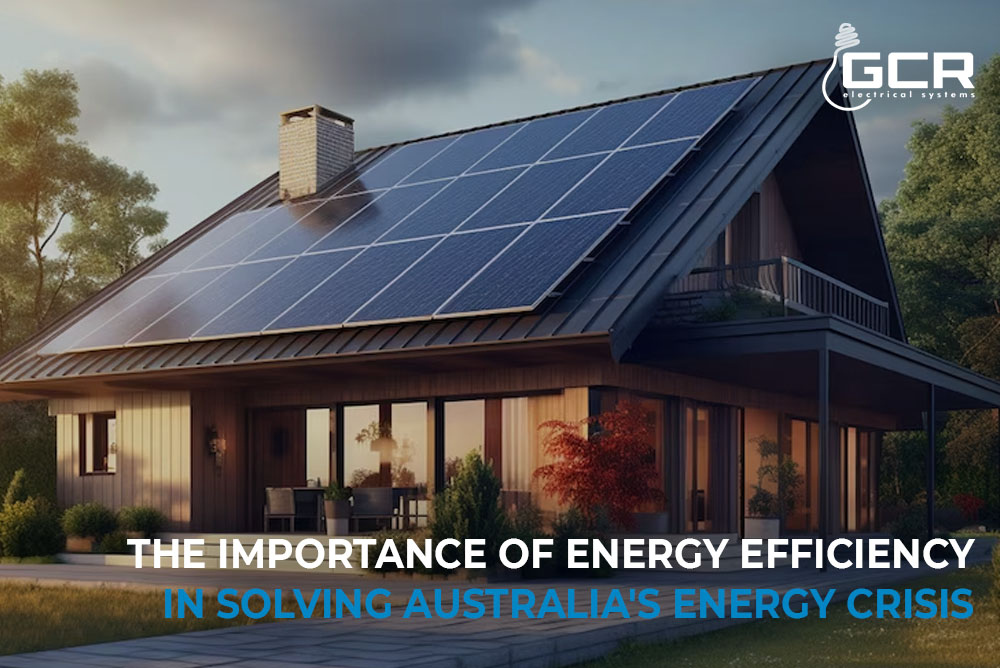
The Importance of Energy Efficiency in Solving Australia’s Energy Crisis

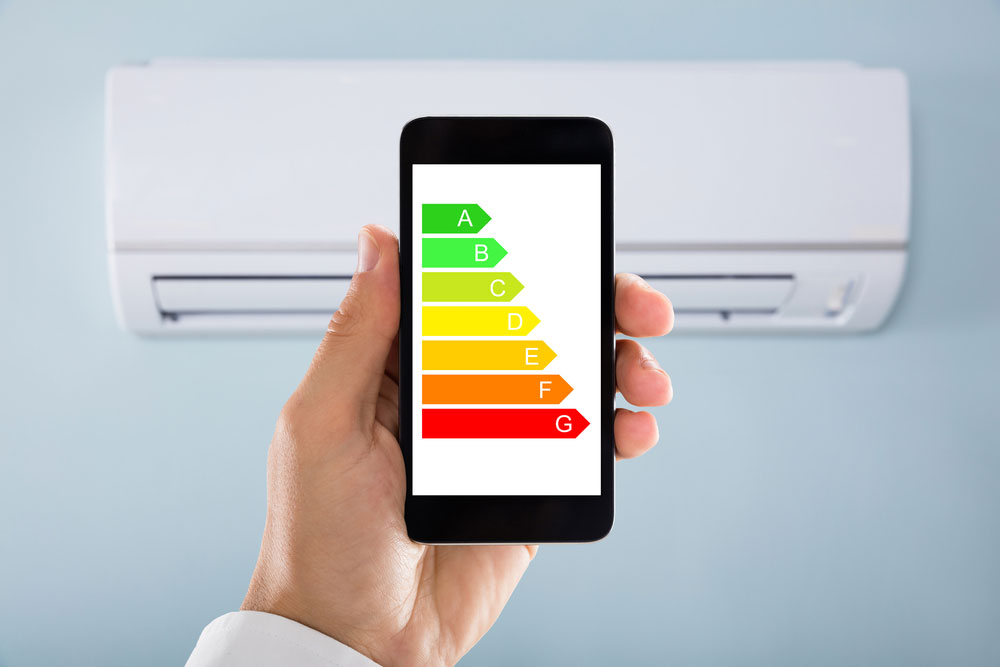
Energy Efficiency

Australia, known for its stunning landscapes and diverse wildlife, is facing a pressing challenge: an energy crisis. In this article, we’ll take a closer look at the factors contributing to this crisis and explore the importance of energy efficiency as a solution. 

From understanding the root causes to discussing government policies and innovative technologies, this blog will take a look at the complex issue of Australia’s energy crisis. Please keep reading below to learn more!

Understanding Australia’s Energy Crisis

Factors Contributing to the Crisis

  1. Growing Energy Demand: Australia’s energy demand has been steadily increasing due to population growth, urbanization, and industrialization. This surge in demand has put immense pressure on the existing energy infrastructure.
  2. Aging Infrastructure: Much of Australia’s energy infrastructure is aging and in need of significant upgrades. The outdated systems are less efficient and more prone to breakdowns, leading to reliability issues.
  3. Reliance on Fossil Fuels: Australia heavily relies on fossil fuels, particularly coal, for energy generation. This not only contributes to greenhouse gas emissions but also leaves the nation vulnerable to fluctuations in global fuel prices.

Consequences of the Energy Crisis

  1. Rising Energy Costs: As demand outpaces supply and infrastructure maintenance costs rise, energy bills for households and businesses have skyrocketed, putting financial strain on many.
  2. Environmental Impacts: The reliance on fossil fuels has led to increased greenhouse gas emissions, contributing to climate change and environmental degradation.
  3. Reliability Issues: Frequent power outages and blackouts have become a common occurrence, affecting industries, essential services, and the overall quality of life.

The Role of Energy Efficiency

Definition and Significance of Energy Efficiency

Energy efficiency is all about using less energy to achieve the same level of productivity or comfort. It plays a crucial role in addressing Australia’s energy crisis.

How Energy Efficiency Can Mitigate the Crisis

  1. Reducing Energy Consumption: By adopting energy-efficient technologies and practices, Australia can significantly reduce its overall energy consumption, alleviating pressure on the grid.
  2. Lowering Greenhouse Gas Emissions: Energy efficiency measures lead to reduced carbon emissions, making a substantial contribution to the fight against climate change.
  3. Enhancing Energy Security: A more energy-efficient infrastructure is less vulnerable to supply disruptions, ensuring a reliable energy supply even during peak demand.

Government Initiatives and Policies

The Australian government has recognized the importance of energy efficiency and has implemented various initiatives and policies to promote it.

Key Policies and Programs

  1. Energy Efficiency Standards: The government has introduced rigorous energy efficiency standards for appliances and buildings to encourage the use of energy-efficient products.
  2. Incentives for Renewable Energy Sources: Subsidies and incentives are provided to individuals and businesses that invest in renewable energy sources like solar power.
  3. Building Codes and Regulations: Stricter building codes and regulations require new constructions to meet energy efficiency standards, reducing long-term energy consumption.

Energy-Efficient Technologies

Advancements in Energy-Efficient Technologies

  1. Smart Grids and Meters: Smart grids enable better management of energy distribution, while smart meters provide real-time consumption data, allowing consumers to make informed choices.
  2. LED Lighting and Efficient Appliances: LED lighting and energy-efficient appliances consume significantly less energy compared to their traditional counterparts.
  3. Solar Power and Battery Storage: Solar panels paired with battery storage systems allow households to generate and store their energy, reducing reliance on the grid.

Benefits of Adopting Energy-Efficient Technologies

  1. Cost Savings: Energy-efficient technologies can lead to substantial cost savings for both households and businesses through reduced energy bills.
  2. Reduced Strain on the Grid: Widespread adoption of these technologies can ease the burden on the energy grid, reducing the risk of blackouts.
  3. Environmental Advantages: Lower energy consumption means reduced emissions, contributing to a cleaner and more sustainable environment.

The Importance of Education and Awareness

Promoting energy efficiency requires educating the public and raising awareness about its benefits.

Educating the Public About Energy Efficiency

  1. Energy-Saving Tips for Households: Simple practices like turning off lights when not in use or properly insulating homes can make a significant difference.
  2. Energy-Efficient Practices for Businesses: Encouraging businesses to adopt energy-efficient technologies and practices can have a substantial impact on energy consumption.

Challenges and Barriers

 Common Challenges in Promoting Energy Efficiency

  1. Initial Investment Costs: Many energy-efficient technologies require an initial investment, deterring some individuals and businesses.
  2. Lack of Awareness: Some people are unaware of the benefits of energy efficiency or lack knowledge about available incentives and programs.
  3. Resistance to Change: People may resist adopting new technologies or changing their habits, even if it leads to long-term benefits.

Strategies to Overcome These Barriers

  1. Financial Incentives: Governments can provide financial incentives, such as rebates and tax credits, to offset the initial costs of energy-efficient upgrades.
  2. Public Awareness Campaigns: Education campaigns can inform the public about the advantages of energy efficiency and the available support.
  3. Government Partnerships with Industry: Collaboration between the government and industry can drive innovation and make energy-efficient technologies more accessible.

The Future of Energy Efficiency in Australia

Australia has seen numerous successful energy efficiency projects that have had a positive impact on communities and the environment. These projects serve as examples of what can be achieved when energy efficiency is prioritized.

As technology continues to advance and awareness grows, the future of energy efficiency in Australia looks promising. Innovations and policies that prioritize efficiency will play a pivotal role in shaping the nation’s energy landscape.

Final Thoughts

Addressing Australia’s energy crisis requires a multifaceted approach, with energy efficiency playing a central role. By reducing energy consumption, lowering emissions, and enhancing energy security, energy efficiency can lead Australia towards a more sustainable and resilient energy future. 

It’s essential for individuals, businesses, and governments to work together to embrace energy efficiency and overcome the challenges posed by the current energy crisis.

If you’re looking to save money on your power bills using solar power, speak to us at GCR Electrical Systems. Our team of professionals can provide expert advice, installation services, and maintenance support to ensure you’re using your solar energy efficiently and safely so you can save more money on your power bills.

Please contact us today at (07) 4120 7004 or leave an enquiry.


Maximising Energy Savings with Solar Power in Your Household

Energy Savings-

In an age where sustainability and eco-consciousness are at the forefront of global discussions, harnessing the power of the sun has become a popular choice for homeowners looking to reduce their carbon footprint and lower energy bills. Solar power is a renewable energy source that not only benefits the environment but can also lead to substantial savings in your household expenses. 

In this article, we’ll explore the various ways you can maximise energy savings with solar power and make the most of this abundant resource.

Assessing Your Energy Needs

Understanding Your Energy Consumption

Before diving into the world of solar power, it’s essential to have a clear understanding of your household’s energy consumption patterns. Start by reviewing your recent electricity bills to identify how much energy your home uses on average. This data will serve as a baseline for determining the size of the solar panel system you’ll need to meet your energy needs.

Identifying Peak Usage Times

Knowing when your home consumes the most electricity can help tailor your solar power system to be most effective. Take note of peak usage times, such as evenings when everyone is home, and consider whether you want to rely on solar power during these hours or supplement it with energy storage solutions like batteries.

Choosing the Right Solar Panel System

Types of Solar Panels

Solar panels come in various types, each with its own set of advantages and disadvantages. Monocrystalline, polycrystalline, and thin-film solar panels are some of the options available. Your choice should align with factors like your budget, available roof space, and energy goals.

Inverter Options

Inverters play a crucial role in converting the direct current (DC) generated by solar panels into the alternating current (AC) used in your home. String inverters, microinverters, and power optimizers are common options. Each has its strengths, so selecting the right inverter system depends on factors like panel placement and shading.

Solar Power Installation

Finding a Reputable Installer

A successful solar power journey starts with finding a reputable installer. Look for certified professionals with a track record of quality installations. They can guide you through the entire process, from system design to obtaining necessary permits.

Roof Assessment and Panel Placement

Your installer will assess your roof’s condition and orientation to determine the best panel placement for maximum sun exposure. Proper positioning ensures your solar panels generate optimal energy throughout the day.

Maximising Solar Energy Generation

Solar Panel Maintenance

Regular maintenance of your solar panels is vital to ensure they operate efficiently. Cleaning debris, checking for damage, and performing routine inspections are simple tasks that can extend the lifespan of your system.

Cleaning and Efficiency

Clean panels are more efficient at capturing sunlight. Depending on your location, occasional cleaning may be necessary to remove dust, dirt, and bird droppings that can hinder performance.

Energy Storage Solutions

Battery Systems

Energy storage solutions, such as lithium-ion batteries, allow you to store excess energy generated during the day for use during peak hours or at night. They provide energy independence and can safeguard against power outages.

Benefits of Energy Storage

Energy storage not only maximises your solar power utilisation but also offers grid stability and reduces reliance on fossil fuels. This leads to greater long-term energy savings.

Monitoring Your Solar Power

Smart Metering

Smart metres provide real-time data on your energy consumption and solar production. They enable you to track your system’s performance and make informed decisions to further optimise energy savings.

Energy Monitoring Apps

Various apps and online platforms allow you to monitor your solar power system remotely. These tools provide insights into your energy usage patterns and help you adjust your habits for greater efficiency.

Government Incentives and Rebates

Solar Credits

In Australia, the Small-scale Renewable Energy Scheme (SRES) offers financial incentives to homeowners who install solar power systems. These incentives, known as solar credits, can significantly reduce the upfront cost of your solar panel installation.

Feed-In Tariffs

Many Australian states offer feed-in tariffs, allowing you to sell excess solar energy back to the grid. This means you not only save on your electricity bills but also earn money by contributing clean energy to the community.

Sustainable Energy Practices

Energy-Efficient Appliances

Complement your solar power system with energy-efficient appliances and lighting. These choices reduce overall energy consumption, making your solar investment even more cost-effective.

Home Insulation and Weatherproofing

A well-insulated and weatherproofed home retains heat in the winter and keeps cool air in during the summer. This reduces the load on your heating and cooling systems, further lowering energy costs.

The Future of Solar Power

While the advantages of solar power are already significant, the future holds even more promise. Ongoing research and innovation continue to drive advancements in solar technology, making it more accessible and efficient for households. Here are some exciting developments to look forward to:

  1. Increased Efficiency: Scientists are continually working to improve the efficiency of solar panels. New materials and designs aim to capture even more sunlight and convert it into electricity.
  2. Flexible Solar Panels: Flexible and lightweight solar panels are on the horizon. These can be integrated into various surfaces, from roofing materials to clothing, expanding the possibilities for solar energy generation.
  3. Energy Storage Breakthroughs: Battery technology is evolving rapidly, leading to more affordable and efficient energy storage solutions. This will further enhance the ability to store excess energy for nighttime and cloudy days.
  4. Solar-Powered Homes: Future homes may be designed with solar power in mind from the start, incorporating built-in solar panels, energy-efficient features, and smart grid connectivity.
  5. Grid Integration: Advanced grid integration will allow homeowners to seamlessly share excess energy with their communities, creating a more robust and sustainable energy ecosystem.

As solar power continues to evolve, it will play an increasingly vital role in our quest for a cleaner and more sustainable energy future. By embracing solar technology today, you not only contribute to a greener planet but also position yourself to benefit from these exciting developments in the years to come.

Final Thoughts

Maximising energy savings with solar power in your household is not only a responsible choice for the environment but also a savvy financial decision. By assessing your energy needs, choosing the right system, and adopting sustainable practices, you can harness the full potential of solar energy. 

The future of solar power is bright, with ongoing innovations promising even greater efficiency and accessibility. So, take the leap into solar energy and enjoy the benefits of a cleaner, greener, and more cost-effective energy future.

If you’re looking to save money on your power bills using solar power, speak to us at GCR Electrical Systems. Our team of professionals can provide expert advice, installation services, and maintenance support to ensure you’re using your solar energy efficiently and safely so you can save more money on your power bills.

Please contact us today at (07) 4120 7004 or leave an enquiry.
 

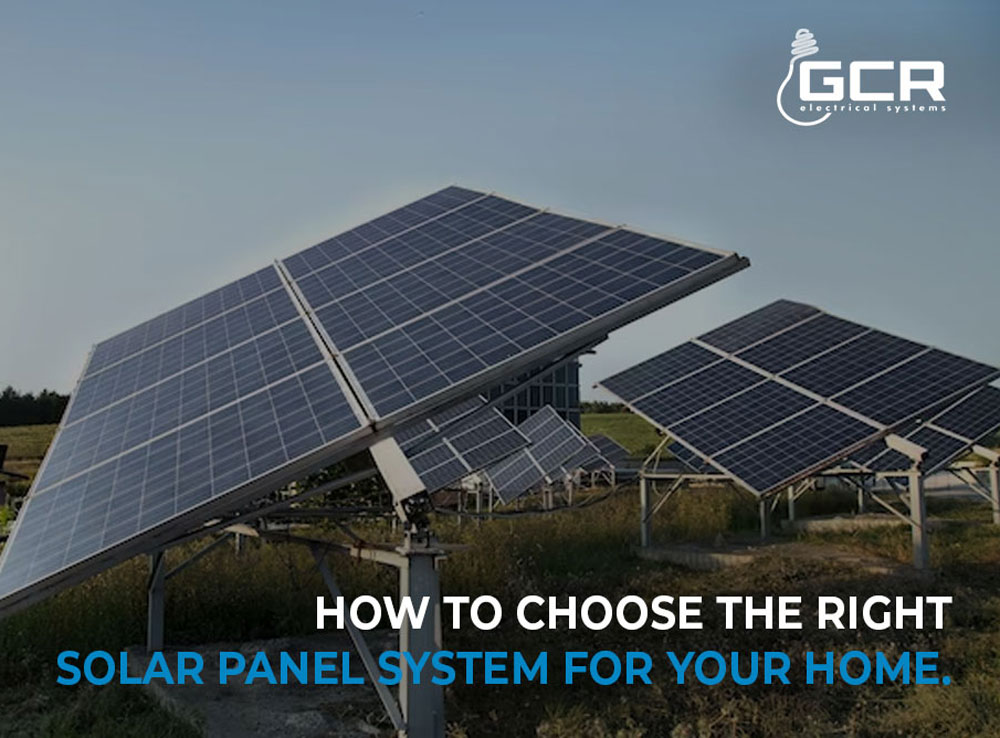
How to Choose the Right Solar Panel System for Your Home

How to Choose the Right Solar Panel System for Your Home

In today’s environmentally-conscious world, harnessing the power of the sun through solar panel systems has become increasingly popular. Not only does it reduce your carbon footprint, but it can also lead to significant energy cost savings. However, choosing the right solar panel system for your home can be a daunting task.

This comprehensive guide will walk you through the essential factors to consider when making this crucial decision. Please continue reading below to learn more.

1. Assess Your Energy Needs

Before diving into the world of solar panels, it’s vital to understand your energy consumption patterns. Evaluate your past utility bills and determine how much electricity your household consumes monthly. This information will serve as the foundation for determining the size of the solar panel system you need.

Understanding your energy needs is not only about looking at your previous consumption but also considering future growth. Are you planning to add new appliances or expand your home in the near future? Factoring in potential increases in energy demand ensures that your solar panel system remains efficient and effective for years to come.

2. Calculate Your Roof’s Solar Potential

The effectiveness of your solar panel system depends on your roof’s solar potential. Factors like roof orientation, shading, and available space play a significant role. Consult with a solar professional to assess your roof’s suitability and ensure maximum energy generation.

Ideally, your roof should face south, as this orientation receives the most sunlight throughout the day. However, east and west-facing roofs can still be suitable for solar panels, although they may produce slightly less energy. Shade from nearby trees, buildings, or other obstructions can significantly impact your system’s performance, so it’s essential to identify and address potential shading issues.

Additionally, consider the age and condition of your roof. If your roof needs repairs or replacement soon, it’s best to address those issues before installing solar panels to avoid complications later.

3. Determine Your Budget

Solar panel systems vary in size, quality, and price. Establish a budget that aligns with your financial capabilities while keeping in mind the long-term savings solar panels can offer. Consider financing options, tax incentives, and rebates available in your area to make the investment more affordable.

When creating your budget, remember that the upfront cost of installing a solar panel system may seem high, but it’s an investment that typically pays off over time. You’ll not only reduce your monthly energy bills but also increase the overall value of your home.

4. Choose the Type of Solar Panels

There are two primary types of solar panels: monocrystalline and polycrystalline. Monocrystalline panels are more efficient and space-saving, making them ideal for smaller roofs. Polycrystalline panels are budget-friendly and perform well in less sunny conditions. Decide which type suits your needs and budget best.

Monocrystalline panels are made from a single crystal structure, which allows them to be more efficient in converting sunlight into electricity. They tend to have a higher price point but are also more space-efficient, making them suitable for smaller roof spaces.

Polycrystalline panels, on the other hand, are made from multiple silicon fragments. While they may be less efficient than monocrystalline panels, they are typically more affordable. If you have ample roof space, polycrystalline panels can be a cost-effective choice.

Consider your location and the amount of sunlight your area receives when deciding between monocrystalline and polycrystalline panels. If you live in a region with abundant sunlight, the efficiency difference may not be as crucial.

5. Evaluate Panel Efficiency

Solar panel efficiency determines how effectively they convert sunlight into electricity. Higher efficiency panels produce more energy in limited space, but they often come at a premium cost. Consider your roof’s size and available space when choosing the level of efficiency.

Panel efficiency is a critical factor when selecting your solar panel system. Efficiency is typically expressed as a percentage, representing how much sunlight is converted into electricity. Higher efficiency panels are more effective at capturing energy from the sun.

Efficiency is especially important if you have limited roof space or want to maximise the energy generated. However, it’s essential to find a balance between efficiency and cost, as higher efficiency panels can be more expensive.

6. Research Solar Inverters

Inverters convert the direct current (DC) generated by solar panels into alternating current (AC) usable in your home. Choose between string inverters, microinverters, and power optimisers. String inverters are cost-effective but may suffer from reduced efficiency due to shading. Microinverters and power optimisers, on the other hand, offer enhanced individual panel performance and are ideal for shaded roofs.

Solar inverters are a critical component of your solar panel system. They play a crucial role in converting the electricity generated by the panels into a usable form for your home. The choice between string inverters, microinverters, and power optimisers will affect the overall performance and efficiency of your system.

String inverters are the most common and cost-effective option. They connect multiple solar panels in a series, with one inverter for the entire system. While they are generally reliable, string inverters can be less efficient if some panels are shaded or dirty.

Microinverters are a more advanced option, with each panel having its inverter. This individualised approach allows each panel to operate at its optimal efficiency, even in shaded conditions. Microinverters can result in better overall system performance.

Power optimisers are a middle-ground option. They are installed at the panel level, similar to microinverters, but they still use a central inverter. This configuration can offer improved performance in shaded conditions without the cost of microinverters.

7. Warranty and Maintenance

Pay attention to the warranty offered by the solar panel manufacturer and the installation company. A reliable warranty ensures protection against unexpected issues. Additionally, inquire about maintenance requirements to keep your system operating efficiently over its lifespan.

Solar panel warranties are essential to ensure the longevity and reliability of your system. Typically, solar panels come with two types of warranties: a product warranty and a performance warranty.

The product warranty covers any defects or issues with the physical panels themselves. It typically lasts 10 to 25 years, depending on the manufacturer. Ensure that the manufacturer offers a product warranty with at least 25 years of coverage.

The performance warranty guarantees that your solar panels will maintain a certain level of efficiency over time. This warranty is crucial because it ensures that your panels will continue to generate electricity at a specified rate. Most performance warranties guarantee that the panels will produce at least 80% of their rated output after 25 years.

In addition to warranties, consider the maintenance requirements of your solar panel system. While solar panels are relatively low-maintenance, they still require occasional cleaning and inspections. Ensure that you understand these maintenance needs and are willing to perform them or hire a professional.

8. Consider Aesthetics

Solar panels come in various designs and colours. If aesthetics are a concern, explore options that blend seamlessly with your roof’s appearance. Some solar panels are designed to be visually appealing, making them an excellent choice for homeowners who prioritise curb appeal.

The appearance of solar panels has evolved over the years. While traditional solar panels are typically blue or black with a noticeable grid pattern, there are now more aesthetically pleasing options available.

Some manufacturers offer solar panels with sleek, all-black designs that blend well with most roof types. These panels have a uniform appearance and a lower profile, making them less obtrusive.

In addition to the panel design, consider the mounting and racking system. Some systems allow for flush mounting, which positions the panels closer to the roof and creates a cleaner look. Discuss these aesthetic considerations with your installer to find the best option for your home.

9. Environmental Impact

For environmentally-conscious consumers, researching the environmental impact of solar panels is crucial. Look for panels that are manufactured using sustainable practices and materials. Consider the product’s lifecycle, from production to disposal, to ensure it aligns with your eco-friendly values.

The environmental impact of solar panels goes beyond their ability to generate clean energy. It also includes how they are produced, what materials are used, and how they are disposed of at the end of their life cycle. Here are some factors to consider when evaluating the environmental impact of solar panels:

Production Process: Look for solar panels that are manufactured using sustainable practices. Some manufacturers prioritise reducing emissions and waste during the production process. Additionally, consider panels that are made in facilities powered by renewable energy sources.

Materials: Investigate the materials used in the construction of the panels. Some panels incorporate recycled or eco-friendly materials, reducing their environmental footprint. It’s also essential to consider the source of raw materials and whether they are responsibly sourced.

Energy Payback Time: This term refers to the amount of time it takes for a solar panel to generate enough clean energy to offset the energy used during its production. Panels with a shorter energy payback time are considered more environmentally friendly because they recover their energy investment faster.

Recycling and Disposal: Inquire about the recycling and disposal options for solar panels at the end of their life cycle. Many panels are recyclable, and responsible disposal methods ensure that they don’t contribute to environmental waste.

Carbon Footprint: Some manufacturers calculate and disclose the carbon footprint of their solar panels. This information provides insight into the panel’s overall impact on reducing greenhouse gas emissions.

When evaluating the environmental impact of solar panels, it’s also essential to consider the broader benefits of transitioning to solar energy. By reducing your reliance on fossil fuels, you contribute to a cleaner environment and help combat climate change.

10. Choose a Reputable Installer

Selecting the right installer is as important as choosing the solar panel system itself. Research local installers, read reviews, and request multiple quotes. A qualified and experienced installer will ensure proper system design, permitting, and installation, guaranteeing optimal performance and longevity.

Choosing a reputable installer is a critical step in the solar panel installation process. Here are some essential factors to consider when selecting an installer:

Experience: Look for an installer with a proven track record and years of experience in the industry. Experienced installers are more likely to deliver quality work and navigate potential challenges effectively.

Certifications: Check if the installer holds relevant certifications and licences. Certifications from organisations like the North American Board of Certified Energy Practitioners (NABCEP) indicate a commitment to professionalism and quality.

References and Reviews: Ask the installer for references from past customers and read online reviews. Hearing about the experiences of other homeowners can provide valuable insights into the installer’s reputation.

Multiple Quotes: Request quotes from multiple installers to compare prices, services, and warranties. Avoid choosing the installer solely based on the lowest price; consider the overall value and quality of their work.

Warranty and Support: Inquire about the warranty and support offered by the installer. A reputable installer should stand behind their work and provide ongoing support for your solar panel system.

Local Knowledge: Choose an installer familiar with local regulations, permitting processes, and utility policies. Local knowledge can streamline the installation and ensure compliance with regional requirements.

Recommendations: Seek recommendations from friends, family, or neighbours who have installed solar panels. Personal recommendations can help you find a trusted installer.

Interview: Schedule interviews or consultations with potential installers to discuss your needs and ask questions. Pay attention to their responsiveness, professionalism, and willingness to address your concerns.

Final Thoughts

Choosing the right solar panel system for your home is a significant decision that can positively impact your energy bills and reduce your carbon footprint. By assessing your energy needs, evaluating your roof’s potential, determining your budget, and considering factors like panel type, efficiency, and warranty, you can make an informed choice.

Remember that investing in solar panels is not just about cost savings; it’s about contributing to a more sustainable future for all. The decision you make today can lead to a brighter, cleaner, and more energy-efficient tomorrow for your home and the planet.

If you’re looking to save money on your power bills using solar power, speak to us at GCR Electrical Systems. Our team of professionals can provide expert advice, installation services, and maintenance support to ensure you’re using your solar energy efficiently and safely so you can save more money on your power bills.

Please contact us today at (07) 4120 7004 or leave an enquiry.
The Energy Crisis in Australia: A Deep Dive into the Current State of Affairs

The Energy Crisis in Australia A Deep Dive into the Current State of Affairs

Australia, known for its vast landscapes and abundant resources, has long been a land of opportunity. However, beneath its surface lies a growing concern that has far-reaching implications for its future – the energy crisis.

In this comprehensive article, we will delve deeper into the current state of affairs regarding Australia’s energy landscape, examining the sources, challenges, and potential solutions to address this crisis.

Energy Sources in Australia

Australia’s energy generation historically relied heavily on fossil fuels, particularly coal and natural gas. These sources have powered the nation for decades, but they come at a cost.

1. Coal: Historically, coal has been Australia’s primary energy source. It has fueled industries, powered homes, and driven economic growth. However, it is a finite resource with significant environmental consequences, making it unsustainable in the long term. The extraction and burning of coal contribute to air pollution, greenhouse gas emissions, and habitat destruction. To combat these issues, Australia is gradually phasing out coal-fired power plants and exploring cleaner alternatives.

2. Natural Gas: While natural gas is cleaner than coal and considered a transition fuel, it’s still a fossil fuel with finite reserves. The reliance on natural gas poses challenges for energy sustainability. Australia is looking to balance its natural gas use with renewable energy sources to reduce its carbon footprint.

3. Renewable Energy: The shift towards renewable energy sources like solar power, wind energy, and hydroelectric power is gaining momentum. These sources offer a more sustainable and environmentally friendly energy future. Australia is blessed with abundant sunlight and wind, making it well-suited for renewable energy expansion. Initiatives to invest in solar and wind farms, along with hydroelectric projects, are transforming the energy landscape.

Current Energy Demand

The energy demand in Australia is multifaceted, with various sectors contributing to consumption.

A. Residential Consumption: Homes across the nation are significant energy consumers. Household appliances, heating, and cooling systems, and lighting all contribute to energy demand. To reduce residential energy consumption, homeowners are increasingly turning to energy-efficient appliances, LED lighting, and improved insulation.

B. Industrial Consumption: Industries, including manufacturing and mining, have substantial energy requirements to support their operations. They are exploring energy-efficient technologies and transitioning to cleaner energy sources to reduce their environmental impact.

C. Commercial Consumption: Office buildings, shopping centres, and other commercial establishments also play a role in energy demand. Businesses are adopting energy management systems and sustainable building designs to minimise their energy usage and costs.

Energy Supply Challenges

Australia faces several critical challenges in its energy supply.

A. Depletion of Fossil Fuel Reserves: The finite nature of fossil fuels raises concerns about future energy availability. As coal and natural gas reserves diminish, the nation must transition to more sustainable alternatives to meet its energy needs.

B. Reliance on Coal-Fired Power Plants: Many power plants still rely on coal, contributing to greenhouse gas emissions and environmental degradation. To combat this, Australia is exploring carbon capture and storage technologies and investing in renewable energy infrastructure.

C. Environmental Concerns: The use of fossil fuels has significant environmental impacts, including air and water pollution and habitat destruction. As Australia strives for a greener energy future, addressing these concerns is paramount.

D. Vulnerability to Climate Change: Australia’s vulnerability to climate change, including extreme weather events, threatens energy infrastructure. Strengthening energy resilience and adapting to climate challenges are crucial priorities.

Renewable Energy Initiatives

In recent years, there has been a notable shift towards renewable energy sources.

A. Government Policies and Incentives: Government policies and incentives encourage investment in renewable energy projects. Subsidies, feed-in tariffs, and renewable energy targets incentivise businesses and individuals to adopt cleaner energy sources.

B. Growth of Solar and Wind Farms: Solar and wind farms are on the rise, harnessing Australia’s abundant natural resources. These large-scale projects generate clean electricity and create job opportunities in regional areas.

C. Advancements in Energy Storage: Energy storage technologies, such as batteries, are evolving to provide reliable renewable energy supply. Energy storage systems help balance the intermittent nature of solar and wind power, ensuring a steady electricity flow.

The Role of Energy Efficiency

Improving energy efficiency is a critical component of addressing the energy crisis.

A. Importance of Reducing Energy Waste: Minimising energy waste through efficient technologies and practices is essential. Simple measures like sealing air leaks, upgrading insulation, and using programmable thermostats can make a significant difference.

B. Energy-Efficient Technologies: Energy-efficient appliances, LED lighting, and building designs contribute to reduced energy consumption. Energy-efficient homes and businesses not only save money but also reduce their carbon footprint.

C. Impact on Overall Energy Consumption: Energy efficiency measures can significantly decrease overall energy demand. They not only reduce costs for consumers but also relieve pressure on the energy grid, ensuring a more reliable supply.

The Economic Aspect

Rising energy costs have economic implications.

A. Impact on Businesses and Households: Escalating energy costs can strain both businesses and households, affecting budgets and competitiveness. Energy-efficient practices and renewable energy adoption can mitigate these financial burdens.

B. Potential for Job Creation: The renewable energy sector offers job creation opportunities, supporting economic growth. Solar panel installation, wind turbine manufacturing, and research and development in clean energy technologies are driving job growth in Australia.

Climate Change and Energy Transition

Addressing climate change is central to Australia’s energy transition.

A. Australia’s Commitment to Reducing Emissions: Australia is committed to reducing its carbon emissions and transitioning to cleaner energy sources. International agreements like the Paris Agreement drive national efforts to lower greenhouse gas emissions.

B. Transitioning to a Low-Carbon Economy: The nation is gradually shifting towards a low-carbon economy to meet global climate goals. Sustainable practices and investments in renewable energy are pivotal in achieving this transition.

Community and Public Awareness

Community engagement and public awareness play a pivotal role.

A. Grassroots Movements and Activism: Grassroots movements advocate for sustainable energy practices and influence policy decisions. Community-led initiatives, such as local solar cooperatives, empower individuals to participate in the clean energy transition.

B. Public Perception: Public perception of the energy crisis impacts support for renewable energy initiatives. Education campaigns and transparent communication about the benefits of clean energy are essential to garner public support.

C. Education and Engagement: Education and engagement efforts are essential to fostering a culture of sustainability. Schools, universities, and community organisations can play a role in raising awareness about energy conservation and renewables.

Future Outlook and Solutions

A brighter and more sustainable energy future is within reach.

A. Embracing Sustainable Energy Sources: Expanding renewable energy sources and reducing reliance on fossil fuels is crucial. Investing in research and development to improve renewable energy technologies will further accelerate this transition.

B. Collaboration: Government, private sector, and communities must collaborate to achieve energy sustainability. Partnerships between industry leaders, policymakers, and environmental organisations are instrumental in driving change.

C. A Roadmap for Sustainability: Developing a comprehensive roadmap for a sustainable energy future is essential. This roadmap should outline specific targets, timelines, and action plans to guide Australia towards a cleaner and more resilient energy landscape.

Final Thoughts

The energy crisis in Australia is a pressing concern, but it also presents an opportunity for positive change. By embracing renewable energy sources, enhancing energy efficiency, and fostering public engagement, Australia can pave the way for a sustainable and prosperous energy future.

It’s time to act collectively, for the benefit of the nation and the planet. With concerted efforts, Australia can not only overcome its energy challenges but also serve as a beacon of hope for a greener world.

If you’re looking to save money on your power bills using solar power, speak to us at GCR Electrical Systems. Our team of professionals can provide expert advice, installation services, and maintenance support to ensure you’re using your solar energy efficiently and safely so you can save more money on your power bills.

Please contact us today at (07) 4120 7004 or leave an enquiry.
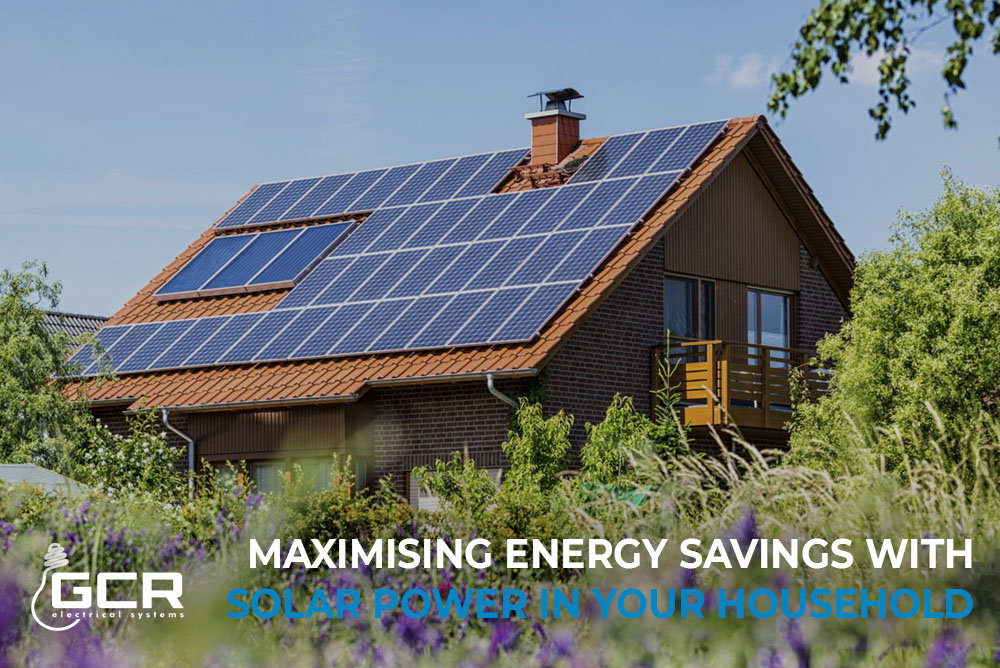
The Advantages of Investing in Solar Power for Australian Businesses

The utilisation of solar power in Australian businesses is experiencing a notable surge, marking a significant trend in the corporate landscape. This introduction sets the stage for exploring the transformative impact of solar energy adoption among businesses, reflecting a broader shift towards sustainability.

As businesses navigate an era of increasing environmental awareness, this section underscores the pivotal role that sustainable practices, particularly the integration of solar power, play in shaping corporate strategies. The article will delve into why businesses are actively seeking sustainable solutions, examining the broader impacts on corporate responsibility, brand image, and financial considerations.

Current Energy Challenges for Businesses in Australia

Reliance on Conventional Energy Sources

Australian businesses face a significant challenge in their reliance on conventional energy sources, such as coal and natural gas. This traditional dependence poses various risks, including supply volatility, susceptibility to geopolitical factors, and environmental impact. Exploring the limitations of this reliance provides insight into the vulnerabilities businesses encounter within the current energy landscape.

Rising Energy Costs

The persistent issue of rising energy costs presents a formidable challenge to businesses across Australia. Factors such as global market fluctuations, increased demand, and the need for infrastructure maintenance contribute to the upward trajectory of energy expenses. This section will delve into the economic implications of escalating costs, emphasizing the urgency for businesses to explore alternative and cost-effective energy solutions.

Environmental Implications of Traditional Energy Use

Conventional energy sources, notably coal and natural gas, come with notable environmental implications. This list will encompass the environmental costs associated with traditional energy production, including carbon emissions, air and water pollution, and the depletion of natural resources. By elucidating these environmental impacts, businesses can gain a comprehensive understanding of the ecological footprint tied to conventional energy use and the imperative for more sustainable practices.

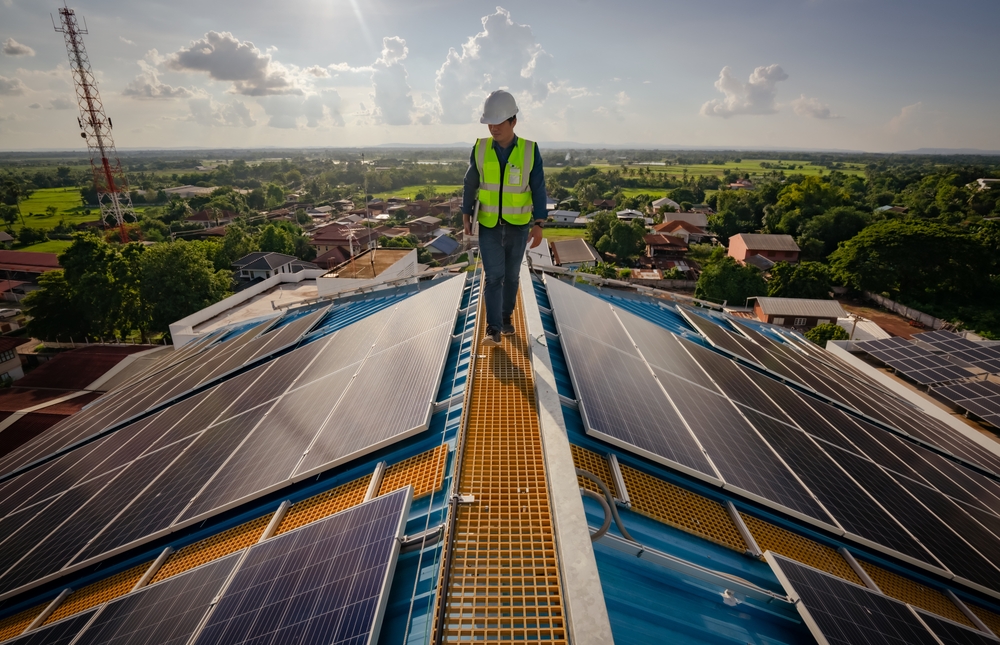
Solar roofing engineering technician working on top of high building

Financial Advantages of Solar Investments

Cost Savings through Solar Energy

Investing in solar energy offers businesses substantial cost savings. By harnessing sunlight to generate electricity, businesses can significantly reduce their dependence on traditional energy sources, leading to lower operational expenses over time. This section will explore how the implementation of solar power systems contributes to immediate and sustained financial benefits, aligning with the overarching goal of achieving economic efficiency.

Government Rebates and Incentives

Government support plays a pivotal role in encouraging businesses to invest in solar energy. The following list details specific rebates and incentives provided by the Australian government:

  • Small-scale Technology Certificates (STCs): Businesses can earn STCs for installing eligible solar systems, which can be traded or sold to help offset installation costs.
  • Renewable Energy Target (RET) Scheme: The RET scheme aims to increase the generation of renewable energy. Businesses can benefit from incentives as part of this broader initiative.
  • Accelerated Depreciation: The government offers accelerated depreciation for commercial solar installations, allowing businesses to claim deductions sooner, enhancing the financial attractiveness of solar investments.

Long-Term Return on Investment for Businesses

Investing in solar power offers businesses not only immediate financial advantages but also substantial long-term returns. The durability and efficiency of solar installations ensure a consistent and reliable energy source over several decades. As businesses navigate the dynamic landscape of rising energy costs, integrating solar power provides a strategic shield against the uncertainties associated with traditional energy markets. The longevity of solar systems allows businesses to not only recoup their initial investment but also enjoy extended periods of reduced energy expenses, contributing to enhanced financial stability and budget predictability.

Moreover, the continuous evolution of solar technology adds to the long-term return on investment. Advances in solar panel efficiency and decreasing equipment costs contribute to improved overall performance, maximizing energy output over the system’s lifetime. Beyond the financial realm, businesses benefit from a positive environmental impact, reducing their carbon footprint and aligning with sustainability goals. This positive perception enhances brand value and customer loyalty, positioning businesses for sustained success in a future where environmental responsibility is increasingly intertwined with corporate profitability.

Customized Solar Solutions for Businesses

Tailoring Solar Installations for Different Industries

Customising solar panel installations for diverse industries is paramount to ensuring optimal performance and meeting specific energy needs. Each industry has unique energy demands, and tailoring solar solutions involves a detailed assessment of these requirements. Whether it’s manufacturing, hospitality, or agriculture, the design and configuration of solar installations can be adjusted to accommodate the energy-intensive processes of different sectors. This tailored approach not only maximizes energy efficiency but also aligns with the distinct operational characteristics of each industry.

Integration with Existing Infrastructure

The seamless integration of solar power into existing infrastructure is a critical aspect of making solar solutions viable for businesses. Solar installations should complement and enhance, rather than disrupt, ongoing operations. This section will delve into how businesses can integrate solar systems with their current infrastructure, highlighting the adaptability of solar technology to various setups. Whether retrofitting solar panels onto rooftops or integrating solar arrays into the energy grid, this adaptability ensures a smooth transition to sustainable energy without compromising existing functionalities.

Scalability and Flexibility of Solar Systems

The scalability and flexibility of solar systems are key considerations for businesses with evolving energy needs. This section will explore how solar installations can be scaled up or down to accommodate changes in energy demand. The flexibility of solar systems allows businesses to adjust their capacity as operations expand or contract, ensuring that the energy solution remains aligned with the dynamic nature of business growth. Understanding the scalability and flexibility of solar systems empowers businesses to make informed decisions that support both immediate energy requirements and future expansion plans.

Final Thoughts

The integration of customized solar solutions presents a transformative opportunity for businesses to address their unique energy needs while contributing to a more sustainable future. By tailoring solar installations to different industries, seamlessly integrating with existing infrastructure, and providing scalability, businesses can optimise their energy efficiency. The long-term returns, both financial and environmental, underscore the wisdom of investing in solar power. 

If you’re contemplating the shift towards harnessing the power of solar energy for your business, consider reaching out to us at GCR Electrical Systems. Our expertise and commitment to sustainability are here to guide you on the path to a more resilient, environmentally conscious, and cost-efficient future.

Please contact us today at (07) 4120 7004 or leave an enquiry.
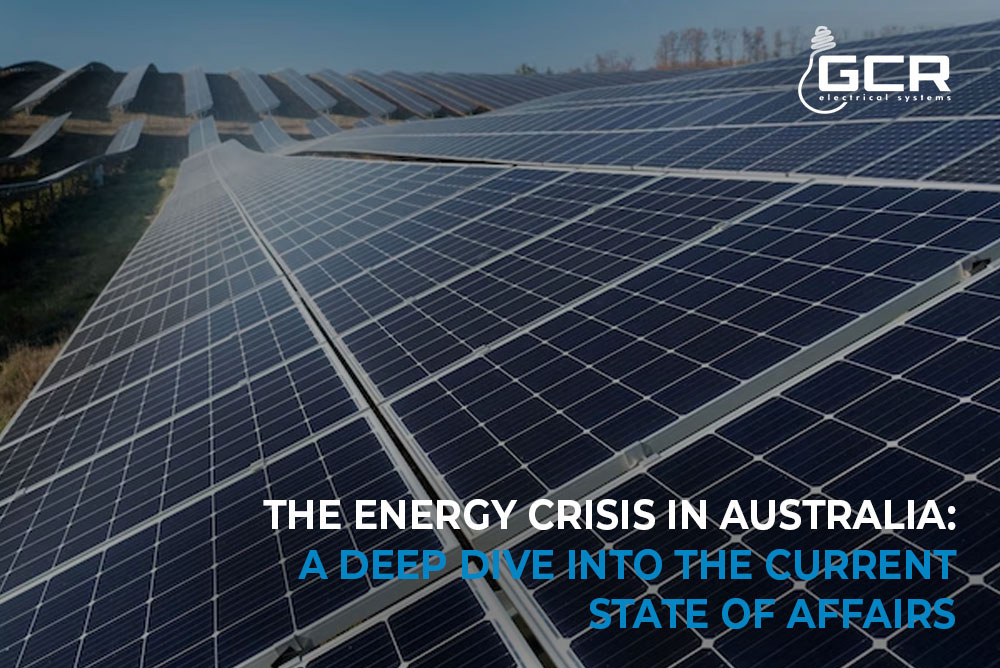
How Solar Power is Revolutionising Rural and Remote Areas in Australia

The rural energy challenge in Australia refers to the difficulties faced in providing reliable and sustainable energy to remote areas. These challenges arise from factors such as limited infrastructure, geographical isolation, and the unique energy needs of rural communities.

Solar power plays a crucial role in addressing the rural energy challenge by offering a sustainable and decentralised energy source. Harnessing sunlight through solar technology provides an opportunity to overcome the limitations of traditional energy infrastructure in remote areas.

The Current Energy Landscape in Rural Australia

Existing Challenges

Rural Australia grapples with a multitude of challenges within its energy landscape. The primary issues include limited access to reliable power sources, outdated infrastructure, and the extensive distances between population centers. These challenges collectively contribute to significant energy disparities, posing obstacles to economic development, hindering access to essential services, and diminishing the overall quality of life in rural areas.

Dependency on Traditional Grids

The predominant reliance on traditional energy grids exacerbates the difficulties faced by rural communities. The logistical challenges and economic burdens associated with extending centralized power grids to remote locations are considerable. Moreover, the dependence on a centralized system renders these areas more vulnerable to power outages, transmission losses, and disruptions in the energy supply chain. This dependency underscores the need for alternative, decentralized solutions that can effectively meet the energy demands of rural Australia.

Environmental Impact

An examination of the environmental impact stemming from current energy practices emphasizes the pressing need to transition towards sustainable alternatives. Conventional energy sources, such as coal and gas, contribute significantly to air and water pollution, deforestation, and the emission of greenhouse gases. The adoption of solar power in rural Australia signifies a concrete and impactful stride towards reducing the carbon footprint and advocating for cleaner, environmentally friendly energy solutions. This shift not only addresses the immediate energy needs but also aligns with a broader commitment to ecological conservation and sustainable resource management.

The Rise of Solar Power

Overview of Solar Technology

The ascent of solar power marks a paradigm shift in the energy landscape, particularly in addressing the unique challenges faced by remote areas. At its core, solar technology involves the utilisation of photovoltaic cells or solar panels to capture and convert sunlight into electricity. This clean and renewable energy source has undergone remarkable advancements, enhancing its efficiency, durability, and adaptability. From traditional solar panels to innovative solar technologies, the evolution of solar power continues to make it an increasingly viable and sustainable option for meeting the diverse energy needs of remote communities.

Government Initiatives Supporting Solar

Governments worldwide recognise the pivotal role of solar power in achieving sustainable energy goals. In Australia, various government initiatives have been implemented to encourage and support the integration of solar energy into the national energy mix. These initiatives encompass financial incentives, tax credits, and regulatory frameworks designed to facilitate and expedite the development of solar infrastructure. Government support not only addresses financial barriers but also signals a commitment to a greener and more sustainable energy future.

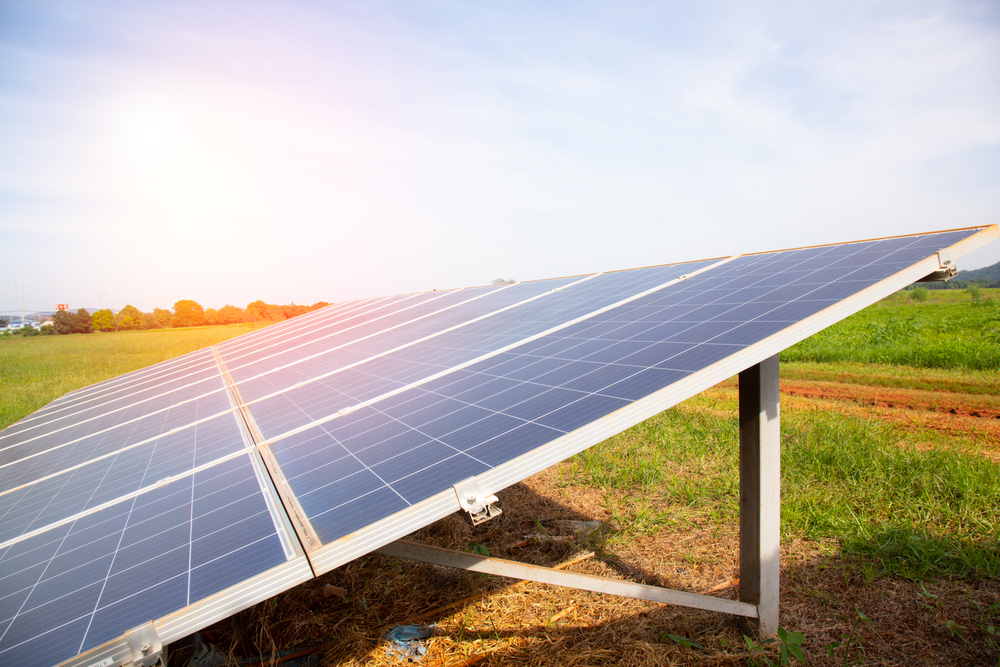
solar cell panel installed in remote area for generating electricity for living and agriculture

Advantages of Solar Power in Remote Areas

Economic Benefits

  • Job Creation: The deployment of solar power projects in remote areas creates a ripple effect of job opportunities, ranging from installation and maintenance to manufacturing and support services.
  • Cost Savings: Solar installations reduce the reliance on costly traditional energy sources, leading to long-term cost savings for both individuals and communities. The economic benefits extend beyond initial investments to encompass ongoing operational savings.
  • Entrepreneurship Opportunities: The decentralisation of energy production empowers local entrepreneurship. Small-scale solar businesses, maintenance services, and community-driven energy projects become viable avenues for economic growth within remote areas.

Environmental Impact

  • Reduced Greenhouse Gas Emissions: Solar power is a clean energy source that generates electricity without emitting harmful greenhouse gases. This attribute contributes significantly to the global effort to mitigate climate change and reduce the carbon footprint associated with energy production.
  • Conservation of Natural Resources: By decreasing reliance on finite fossil fuels, solar power plays a vital role in preserving natural resources. This not only ensures the longevity of energy production but also mitigates the environmental impact associated with resource extraction and utilisation.
  • Minimal Environmental Footprint: Solar installations, compared to traditional energy infrastructure, have a lower environmental footprint. The construction and operation of solar facilities entail fewer disruptions to ecosystems, promoting biodiversity conservation in remote areas.

Increased Energy Independence

  • Decentralised Energy Production: Solar power provides communities in remote areas with the ability to generate their own electricity locally. This decentralisation reduces dependence on centralised grids, offering a more resilient and self-sustaining energy model.
  • Resilience to Power Outages: Solar power systems, especially those equipped with energy storage solutions, enhance resilience by providing a consistent power supply even during grid outages. This reliability is crucial for maintaining essential services and ensuring the well-being of remote communities.
  • Adaptability to Diverse Terrains: Solar solutions can be tailored to suit the specific challenges of various terrains, from deserts to coastal regions and mountainous areas. This adaptability ensures that communities in even the most challenging landscapes can benefit from solar energy, promoting inclusivity in sustainable energy practices.

Solar Solutions for Different Terrains

Desert Regions

In the vast expanse of desert regions, solar power proves to be an ideal solution due to the abundant sunlight available. Advanced solar technologies, coupled with dust-resistant features, are tailored to thrive in arid conditions. Large-scale solar farms in deserts have the potential to generate significant electricity, addressing the energy needs of both local communities and urban centers.

Coastal Villages

Coastal villages benefit from the dual advantage of solar and wind energy. Hybrid systems that integrate solar panels with wind turbines can maximize energy production, harnessing the consistent sunlight and coastal winds. Such solutions provide a reliable and sustainable power source for coastal communities while minimizing the environmental impact associated with traditional energy sources.

Mountainous Areas

Navigating the challenges of mountainous terrains requires innovative solar solutions. Elevated solar arrays, strategically placed on slopes or mountain ridges, can capture sunlight more efficiently. Additionally, small-scale, off-grid solar installations cater to the dispersed nature of mountain communities, ensuring that even the most remote areas can access clean and reliable energy.

Implementation Challenges and Solutions

Technological Barriers

Overcoming technological barriers is crucial for the successful implementation of solar solutions. Ongoing research and development efforts aim to enhance the efficiency and resilience of solar technology. Investing in cutting-edge innovations, such as improved energy storage systems and more durable photovoltaic materials, can mitigate technological challenges and ensure the long-term viability of solar projects.

Community Engagement

Effective community engagement is paramount to the success of solar initiatives. Educating local communities about the benefits of solar power, involving them in the planning and decision-making processes, and addressing any concerns they may have fosters a sense of ownership. Community-driven projects not only enhance acceptance but also empower residents to actively participate in the transition to sustainable energy.

Overcoming Funding Issues

Financial constraints often pose significant hurdles to solar projects. To address funding issues, a combination of government incentives, private investments, and innovative financing models can be employed. Governments can provide subsidies, tax credits, and grants to make solar technology more accessible. Collaborations with private sector entities can further bolster funding, while creative financing models, such as community solar programs, distribute costs among community members, making solar power financially viable for all.

Final thoughts

The rise of solar power offers a transformative solution to the complex challenges faced by rural and remote areas in Australia. As we navigate the diverse terrains of deserts, coastal villages, and mountainous regions, solar technology emerges as a versatile and sustainable energy source. Beyond its economic benefits, including job creation and cost savings, solar power significantly reduces the environmental impact associated with traditional energy sources.

Overcoming implementation challenges, such as technological barriers and funding issues, requires a collective effort, emphasizing community engagement and innovative solutions. If you’re contemplating the shift towards harnessing solar energy for a more sustainable and cost-efficient future, GCR Electrical Systems is here to guide you. Contact us, and let’s embark on a journey toward a cleaner and brighter tomorrow.

Please contact us today at (07) 4120 7004 or leave an enquiry.
Top Energy Saving Tips for Australian Households

In a world where energy conservation and cost efficiency are gaining increasing importance, Australian households are no exception. Whether you’re a homeowner or a renter, an eco-conscious individual, or simply looking to trim your energy bills, this article is your comprehensive guide to achieving energy-saving practices right at home.

Let’s begin by highlighting the significance of energy efficiency in Australian households. Not only does it help reduce utility bills, but it also contributes to a more sustainable and environmentally friendly future. By taking steps to conserve energy, you’re not only doing your part for the planet but also easing the burden on your wallet.

Understand Your Energy Usage

Embarking on an energy-saving journey begins with comprehending your energy consumption. Here’s how to get started:

1. Energy Monitoring Tools

Invest in energy monitoring tools, such as smart meters or energy monitors. These devices provide real-time data on your energy usage. By reviewing this data regularly, you can pinpoint areas of high consumption and identify opportunities for improvement.

2. Identify Usage Patterns

Study your energy usage patterns. Are there specific times of the day when consumption spikes? Do certain appliances or activities consistently drive up your energy bills? Understanding these patterns will help you make informed decisions about where and how to cut back.

3. Set Goals

Establish clear energy-saving goals based on your usage patterns. For instance, you might aim to reduce electricity consumption during peak hours or cut your overall energy usage by a specific percentage. Setting goals provides motivation and a clear direction for your energy-saving efforts.

Efficient Heating and Cooling

Optimising your heating and cooling systems is a significant step in reducing energy consumption. Here are some tips:

1. Proper Insulation

Ensure your home is well-insulated. Proper insulation in walls, floors, and roofs prevents heat loss during the winter and keeps your home cooler in the summer. Insulated windows and doors also play a crucial role in maintaining a comfortable temperature.

2. Programmable Thermostats

Invest in programmable thermostats that allow you to set temperature schedules. This ensures your heating or cooling system runs only when necessary. For instance, you can lower the temperature when you’re away or asleep and raise it when you’re at home.

3. Regular Maintenance

Regular maintenance is key to keeping your heating and cooling systems efficient. Change or clean air filters as recommended by the manufacturer. Have your systems professionally serviced at least once a year to identify and address any issues.

Lighting Upgrades

Transitioning to energy-efficient lighting not only reduces your energy consumption but also lowers your electricity bills. Here’s what you can do:

1. LED Bulbs

Replace incandescent and fluorescent bulbs with energy-efficient LED bulbs. LEDs use significantly less energy and have a longer lifespan. While they may cost a bit more upfront, the long-term savings are substantial.

2. Embrace Natural Light

Make the most of natural light during the day. Open curtains and blinds to allow sunlight to illuminate your rooms. This reduces the need for artificial lighting and creates a pleasant, well-lit environment.

Appliance Efficiency

Selecting energy-efficient appliances is a wise investment in the long run. Here’s how to make the right choices:

1. Energy Star Rating: Look for the Energy Star label when purchasing appliances. Energy Star-rated appliances meet strict energy efficiency standards and consume less power. They are a great choice for reducing energy bills.

2. Proper Use and Maintenance: Even energy-efficient appliances can become energy hogs if not used and maintained correctly. Follow the manufacturer’s guidelines for usage. Keep appliances clean and well-maintained to ensure they operate efficiently.

Sealing and Insulation

Sealing gaps, insulating homes, and ensuring energy-efficient windows and doors are essential for the following reasons:

1. Energy Conservation

Sealing gaps and insulating your home are fundamental to preserving energy. They create a barrier that prevents conditioned air from escaping and outdoor air from entering, reducing the load on your heating and cooling systems.

2. Temperature Regulation

A well-insulated home maintains a consistent and comfortable temperature year-round. You’ll stay warm in winter and cool in summer without overworking your HVAC system.

3. Cost Savings

Proper sealing and insulation translate to substantial cost savings. You’ll see a significant reduction in your energy bills as your home becomes more energy-efficient.

4. Environmental Impact

Reducing energy consumption not only saves you money but also lessens your environmental footprint. A well-insulated home requires less energy to stay comfortable, which decreases greenhouse gas emissions.

Hands turn off the light switch to save energy and costs reduce resource consumption

Renewable Energy Options

For Australian households, embracing renewable energy solutions, such as solar panels, offers numerous benefits:

1. Sustainable Power Generation

Solar panels harness the abundant Australian sunlight to generate clean and sustainable electricity. This reduces your reliance on traditional power sources, contributing to a greener environment.

2. Lower Energy Bills

Generating your electricity means reduced energy bills. Any excess energy produced can be fed back into the grid, potentially earning you credits.

3. Increased Property Value

Homes with solar panels tend to have higher property values. They are attractive to eco-conscious buyers and offer long-term savings.

4. Government Incentives

In Australia, various government incentives, rebates, and schemes encourage the installation of solar panels, making it a cost-effective choice for homeowners.

Water Heating Efficiency

Efficient water heating practices are essential for conserving energy and saving money:

1. Heat Pump Water Heaters

Heat pump water heaters use ambient air to heat water, making them highly energy-efficient. They can reduce water heating costs by up to 65% compared to traditional electric resistance heaters.

2. Insulating Hot Water Systems

Insulating your hot water system and pipes prevents heat loss and ensures that hot water remains hot until you need it. This reduces the frequency of water heating cycles, saving energy.

3. Cost Savings

Energy-efficient water heating practices directly translate into cost savings. By consuming less energy to heat water, you’ll see a noticeable reduction in your energy bills.

4. Environmental Benefits

By using energy-efficient water heating solutions, you contribute to environmental conservation by lowering energy consumption and reducing carbon emissions.

Smart Energy Consumption Habits

Everyday energy-saving habits are simple yet highly effective in conserving energy:

1. Turn Off Lights: Make it a habit to switch off lights when you leave a room. Unnecessary lighting consumes energy and adds to your bills.

2. Unplug Chargers and Appliances: Chargers left plugged in, and appliances on standby continue to draw power. Unplugging them when not in use eliminates this standby power consumption.

3. Off-Peak Usage: Run energy-intensive appliances like washing machines and dishwashers during off-peak hours, when electricity rates are typically lower. This helps reduce your energy costs.

4. Limit Air Conditioning: Use air conditioning judiciously. Raise the temperature slightly in summer, and lower it in winter. Every degree of adjustment saves energy.

Government Rebates and Incentives

Australia offers a range of government programs, rebates, and incentives to motivate homeowners and renters to embrace energy-efficient practices. Here’s what you should know:

1. Solar Rebates

The Australian government provides incentives for installing solar panels through the Small-scale Renewable Energy Scheme. Under this scheme, you can earn small-scale technology certificates (STCs) that can be traded or sold to reduce the cost of your solar panel installation.

2. Energy-Efficient Appliance Rebates

Some states and territories offer rebates on energy-efficient appliances, such as energy-efficient hot water systems, fridges, and air conditioners. These rebates aim to promote the purchase of appliances that are kinder to both your wallet and the environment.

3. Home Energy Efficiency Programs

Various government-funded programs and initiatives focus on improving the energy efficiency of homes. These programs can provide financial assistance, advice, and incentives for upgrading your home to be more energy-efficient.

4. Sustainable Housing Programs

Some states run sustainable housing programs that offer financial incentives for constructing or renovating homes to meet specific energy efficiency standards. These programs promote environmentally friendly construction practices.

5. Renewable Energy Feed-In Tariffs

Many Australian states and territories offer feed-in tariffs for surplus energy generated by residential solar panels. This means any excess energy your solar panels produce can be fed back into the grid, earning you credits on your energy bill.

Reducing Standby Power

Tackling standby power consumption is an effective way to reduce energy waste. Here’s how to do it:

1. Use Power Boards: Plug your appliances and devices into power boards. When not in use, simply switch off the power board to disconnect multiple devices from the power source simultaneously. This prevents standby power consumption.

2. Invest in Smart Power Strips: Smart power strips automatically cut power to devices when they’re in standby mode. They’re especially useful for home entertainment centers, where multiple devices may remain on standby.

3. Unplug Chargers and Devices: Make a habit of unplugging chargers and devices when you’re not using them. Chargers left plugged in can continue to draw power even when they’re not actively charging.

4. Turn Off and Unplug: When you’re not using an appliance or device, turn it off and unplug it. This simple habit can lead to significant energy savings over time.

Community and Peer Support

Building a community around energy-saving practices can be both motivating and beneficial. Here’s why you should seek support and share ideas with your peers:

1. Shared Knowledge: When you engage with your community and peers, you can learn from each other’s experiences and discoveries. Sharing knowledge and insights can help everyone become more energy-efficient.

2. Collective Impact: By joining forces with your peers, you can have a more substantial impact on energy conservation. Collaborative efforts can lead to more significant changes in behavior and the adoption of energy-saving practices.

3. Motivation and Accountability: Being part of a community focused on energy efficiency can motivate you to continue your efforts. You’re more likely to stay committed when you’re accountable to others who share the same goals.

4. Problem Solving: Communities and peer groups can help you overcome challenges and find solutions to common energy-saving dilemmas. Together, you can tackle problems and find innovative ways to save energy.

Final thoughts

Embracing energy-saving practices in your Australian household is a win-win situation. Not only can you significantly lower your utility bills, but you can also reduce your environmental footprint. These practical tips empower you to make a positive impact, both for your budget and the planet. Start your energy-saving journey today, and watch the benefits flow right into your home.

If you’re considering harnessing the power of solar energy, reach out to us at GCR Electrical Systems. We’re here to guide you toward a more sustainable and cost-efficient future.

Please contact us today at (07) 4120 7004 or leave an enquiry.
The Role of Solar Energy in Achieving Energy Independence in Australia

Solar panel technician with drill installing solar panels on house roof

Australia’s journey towards energy independence and sustainability has been significantly influenced by the widespread adoption of solar energy. In this article, we’ll explore the pivotal role that solar energy plays in reshaping Australia’s energy landscape and reducing its carbon footprint. We’ll delve into the solar energy revolution in Australia, the renewable energy goals set by the country, and the various aspects of solar power generation and grid integration. Additionally, we’ll discuss the government initiatives and incentives that have encouraged the growth of solar technology, both in residential and commercial sectors.

The Solar Energy Revolution in Australia

The adoption of solar energy in Australia has ushered in a transformative revolution in the country’s energy landscape. In this section, we will delve into Australia’s renewable energy goals and the pivotal role that solar energy plays in reducing emissions.

Australia’s Renewable Energy Goals

Australia has set ambitious renewable energy goals as part of its commitment to sustainability and reducing its environmental impact. The nation recognises the significance of transitioning to cleaner energy sources to combat climate change and secure a sustainable energy future.
These goals include:

  1. Reduction of Greenhouse Gas Emissions
  • Australia aims to significantly reduce its greenhouse gas emissions by transitioning to renewable energy sources, with a primary focus on solar power. By harnessing the abundant sunlight across the country, Australia is well on its way to achieving this goal.
  1. Increasing Renewable Energy Capacity
  1. Enhancing Energy Security
  • As Australia strives for energy independence and security, renewable energy sources like solar play a critical role. The decentralisation of energy production through solar installations makes the energy grid more resilient and less susceptible to disruptions.
  1. Economic Benefits
  • The renewable energy sector, including the solar industry, is a significant contributor to the Australian economy. It not only creates jobs but also fosters innovation and economic growth.

Solar Energy’s Role in Reducing Emissions

One of the most compelling aspects of the solar energy revolution in Australia is its contribution to reducing emissions and the carbon footprint. Solar energy addresses environmental concerns in the following ways:

  1. Clean Energy Generation
  • Solar panels and solar inverters convert sunlight into electricity without producing harmful emissions. This clean energy generation significantly reduces the carbon emissions associated with traditional energy sources like coal and natural gas.
  1. Reduced Greenhouse Gas Emissions
  • The widespread adoption of solar energy leads to a substantial decrease in greenhouse gas emissions. This, in turn, contributes to Australia’s efforts to combat climate change and meet its international climate commitments.
  1. Energy Independence
  • By relying on a domestic and abundant energy source like sunlight, Australia reduces its dependence on fossil fuels for electricity generation. This not only enhances energy security but also curbs emissions from the fossil fuel sector.
  1. Environmental Preservation
  • Solar energy is environmentally friendly, as it does not produce air or water pollution. This clean energy source helps protect Australia’s natural landscapes and ecosystems.

Solar panel farm at sunset located in South Australian metropolitan area

Solar Power Generation and Grid Integration

Solar Farms and Electricity Production

Solar farms represent a significant advancement in renewable energy technology. These expansive installations harness sunlight through photovoltaic panels and concentrate it to generate electricity on a large scale. Australia, with its vast land and abundant sunlight, has seen a remarkable proliferation of solar farms.

  1. Scale and Impact:
  • The scale of solar farms in Australia is awe-inspiring. These farms can cover vast hectares of land and consist of thousands of solar panels. The impact of solar farms on Australia’s energy production cannot be overstated. They contribute significantly to the nation’s energy grid, supplying clean and renewable electricity to homes, businesses, and industries.
  1. Environmental Benefits and Energy Output:
  • Solar farms offer substantial environmental benefits. They produce electricity without emitting greenhouse gases, making them a crucial tool in mitigating climate change. The energy output of solar farm projects is impressive, with many large-scale facilities producing hundreds of megawatts of electricity. This not only meets the energy needs of communities but also reduces the reliance on fossil fuels, resulting in cleaner air and a healthier environment.

The Challenge of Grid Integration

While solar energy offers numerous advantages, integrating it into the national grid presents complex challenges. Grid integration involves ensuring a smooth and reliable flow of solar-generated electricity into the existing energy infrastructure.

  1. Grid Stability:
  • Maintaining grid stability is essential to ensure a consistent supply of electricity. Solar power generation is intermittent and relies on sunlight. Thus, fluctuations in solar output can impact grid stability. Innovative technologies, such as energy storage solutions and demand response programs, are being developed to address these issues.
  1. Energy Distribution:
  • The distribution of solar-generated electricity across vast distances can be a logistical challenge. Transmitting energy efficiently from remote solar farms to populated areas requires the development of robust transmission systems. Government and industry initiatives aim to improve energy distribution to ensure all regions benefit from solar energy.
  1. Fluctuations in Solar Power Generation:
  • The sun’s availability varies throughout the day and across seasons. Solar power generation is highest during daylight hours and reduces during the night. Managing these fluctuations and ensuring a continuous energy supply are essential aspects of grid integration.
  1. Innovative Solutions and Technologies:
  • To address the challenges of grid integration, innovative solutions and technologies are in development. Energy storage solutions, such as large-scale batteries, can store excess solar energy during peak production and release it when needed. Additionally, advanced grid management systems are being implemented to balance energy supply and demand efficiently.

Government Initiatives and Incentives

Federal and State Solar Programs

Both federal and state governments in Australia have launched various programs to incentivize the adoption of solar energy. These initiatives include subsidies, tax credits, and rebates for residential and commercial solar installations.

Incentives for Residential Solar Installations

Homeowners are encouraged to invest in solar panels and solar hot water systems through incentives that make the initial cost more manageable. These incentives promote the use of solar energy for both residential heating and electricity generation.

The Growth of Solar Technology

Advancements in Solar Panels

Solar panel technology has witnessed remarkable advancements, leading to increased efficiency and affordability. These innovations have made solar panels a viable and accessible option for a broader range of consumers.

Battery Storage Solutions

Battery storage solutions, such as solar batteries, have also evolved. These batteries allow homeowners and businesses to store excess solar energy for use during periods of low sunlight, further enhancing the reliability of solar power.

Solar Energy for Residential and Commercial Use

Solar Installations for Homes

The residential sector has embraced solar energy with enthusiasm. Homeowners are increasingly installing solar panels and solar hot water systems to reduce their reliance on traditional grid electricity and lower their energy bills.

Solar Power in Commercial and Industrial Sectors

Commercial solar power has become a cornerstone of sustainability for businesses. Solar installations in commercial and industrial sectors not only reduce operational costs but also demonstrate a commitment to environmentally responsible practices.

Energy Independence and Environmental Benefits

Reducing Reliance on Fossil Fuels

By harnessing solar energy, Australia is reducing its dependence on fossil fuels for electricity generation. This shift enhances energy security and minimizes the environmental impact of conventional energy sources.

Solar Energy’s Impact on Reducing Carbon Footprint

The adoption of solar energy has a direct and positive impact on reducing Australia’s carbon footprint. The use of solar panels, solar inverters, and solar hot water systems significantly contributes to a cleaner and more sustainable environment.

Challenges and Future Prospects

Addressing Solar Energy Storage Challenges

While solar energy has made significant progress, challenges remain, particularly in energy storage. Australia continues to work on developing efficient and cost-effective storage solutions to ensure a consistent energy supply.

The Future of Solar Energy in Australia

As solar technology continues to advance and the benefits of solar energy become more evident, the future of solar energy in Australia looks promising. With ongoing research and development, we can expect even greater integration of solar power into the nation’s energy landscape.

Final Thoughts

Solar energy is undeniably a driving force in Australia’s journey towards energy independence and sustainability. It’s not only reshaping the energy landscape but also reducing the carbon footprint, making it a key player in the country’s clean energy transition. If you’re considering harnessing the power of solar energy, reach out to us at GCR Electrical Systems. We’re here to guide you toward a more sustainable and cost-efficient future.

Please contact us today at (07) 4120 7004 or leave an enquiry.

Maximising Energy Efficiency in Your Home: A Guide to Making Smart Choices

In today’s world, where environmental consciousness meets practicality, maximising energy efficiency in your home has become a paramount consideration. Not only does it help reduce your carbon footprint and contribute to a greener planet, but it also puts extra money back in your pocket. Welcome to the journey of making your Hervey Bay home an energy-efficient haven.

1) Evaluating Your Home’s Energy Efficiency

Before embarking on the quest for energy efficiency, it’s crucial to understand where your home stands currently. Conducting an energy audit is your first step. This assessment helps identify areas where your home is losing energy and where improvements are needed. Common culprits include poor insulation, drafty doors and windows, and outdated appliances.

2) Sealing the Leaks: Proper Insulation

One of the primary reasons for energy waste is inadequate insulation. To optimise your home’s insulation, consider the different types of materials available. From traditional fibreglass and cellulose to newer alternatives like foam board and spray foam, each offers its own advantages. Don’t forget to insulate your attic, walls, and even your doors and windows to ensure a tight thermal envelope.

3) Lighting the Way: LED Lighting

Lighting is another facet of your home where significant energy savings can be achieved. LED bulbs, in particular, have revolutionised the lighting industry. These energy-efficient wonders consume a fraction of the energy that traditional incandescent bulbs consume while lasting considerably longer. Consider retrofitting your entire home with LED lighting and implementing smart controls to optimise their usage.

4) The Heart of Efficiency: Upgrading Appliances

Your household appliances play a substantial role in your energy consumption. When shopping for new appliances, keep an eye out for the Energy Star label. These ratings indicate that the appliance meets specific energy efficiency standards. Start by upgrading your refrigerator, freezer, washing machine, and dishwasher. Over time, the savings on your energy bills will more than justify the investment.

Energy Consumption

5) Taking Control: Smart Thermostats

A smart thermostat is your gateway to precise control over your home’s heating and cooling systems. These devices learn your preferences and adjust temperature settings accordingly. Not only do they enhance your comfort, but they also save energy by preventing unnecessary heating or cooling. Integrating smart thermostats into your home is a wise choice for the long run.

6) Harnessing the Sun: Solar Power

Solar power is a game-changer when it comes to energy efficiency. Solar panels, or photovoltaics, harness the sun’s energy and convert it into electricity. Additionally, solar hot water systems use sunlight to heat your water supply. Some homeowners even feed excess energy back into the grid, earning credits on their bills. It’s a win-win for both your wallet and the environment.

7) Smart Home Automation for Efficiency

Bringing smart home automation into the mix can further enhance your energy-saving efforts. Smart plugs and power strips allow you to remotely control the power supply to various devices, preventing energy waste. Voice-activated assistants can help you manage your home’s energy usage with simple voice commands. Home energy management systems provide a holistic view of your energy consumption and suggest ways to improve efficiency.

8) Sustainable Landscaping

Your efforts for energy efficiency shouldn’t stop at your home’s walls. Sustainable landscaping can contribute significantly. Choose the right plants that not only beautify your surroundings but also offer shade and wind protection. Implement efficient irrigation methods to conserve water, and use shading and windbreaks to reduce the need for excess heating and cooling.

Final Thoughts

In Hervey Bay, Queensland, where the climate can be demanding, maximising energy efficiency is not just a choice but a necessity. The journey to a greener, more cost-efficient future starts with a comprehensive evaluation of your home’s energy use.

From sealing those pesky leaks and upgrading your appliances to harnessing the power of the sun and embracing smart home automation, the possibilities are endless. Your home can become an oasis of energy efficiency, benefiting both your wallet and the environment. So, why wait? Start making smart choices today for a brighter and more sustainable tomorrow.

If you’re looking to save money on your power bills using solar power, speak to us at GCR Electrical Systems. Our team of professionals can provide expert advice, installation services, and maintenance support to ensure you’re using your solar energy efficiently and safely so you can save more money on your power bills.

Please contact us today at (07) 4120 7004 or leave an enquiry.